Annunciation by Hans Memling

The Annunciation survived an arrow wound that required restoration after its 1902 Bruges exhibition. Hans Memling’s Annunciation, painted in the 1480s, now hangs in the Robert Lehman Collection at the Metropolitan Museum of Art.

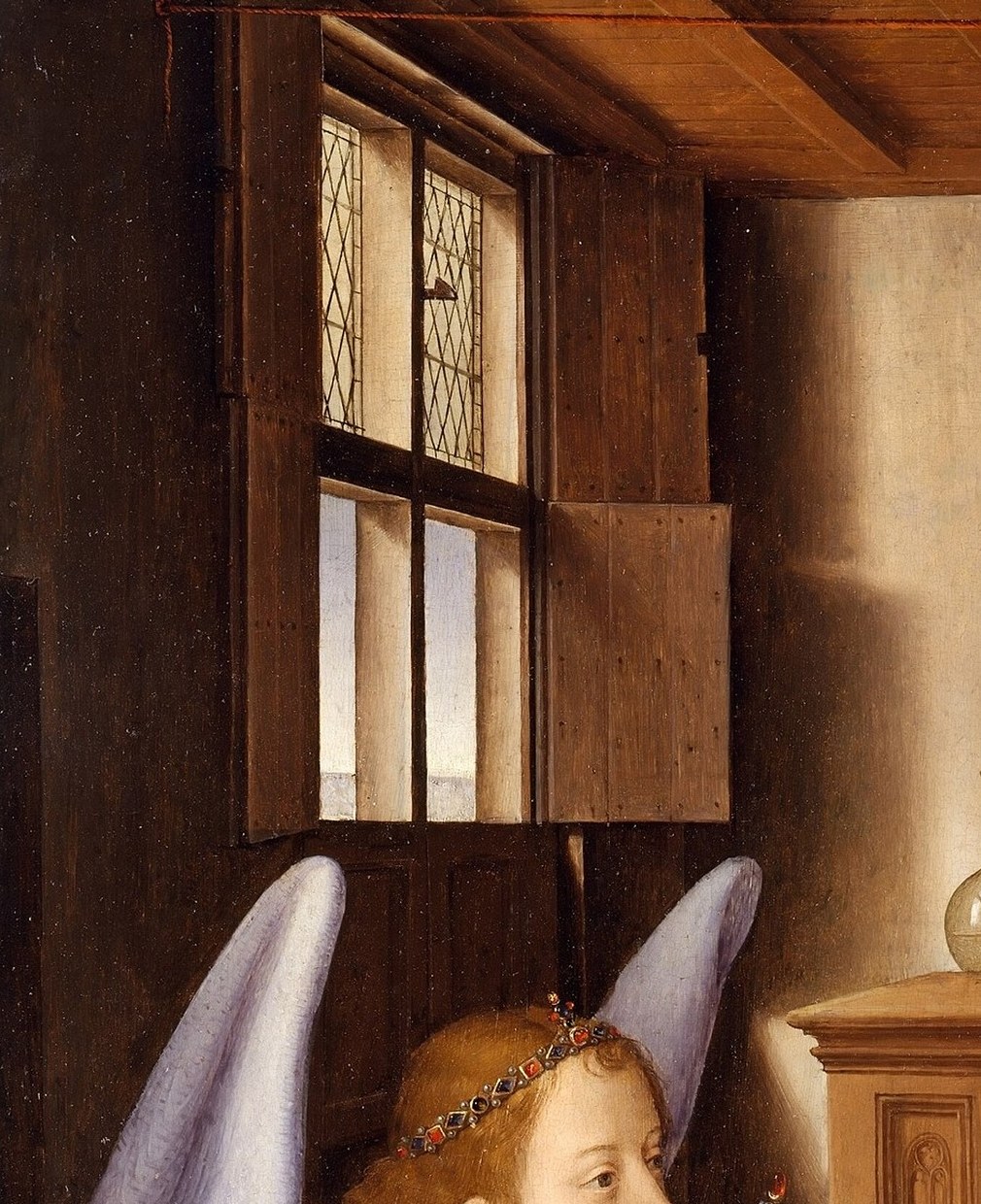
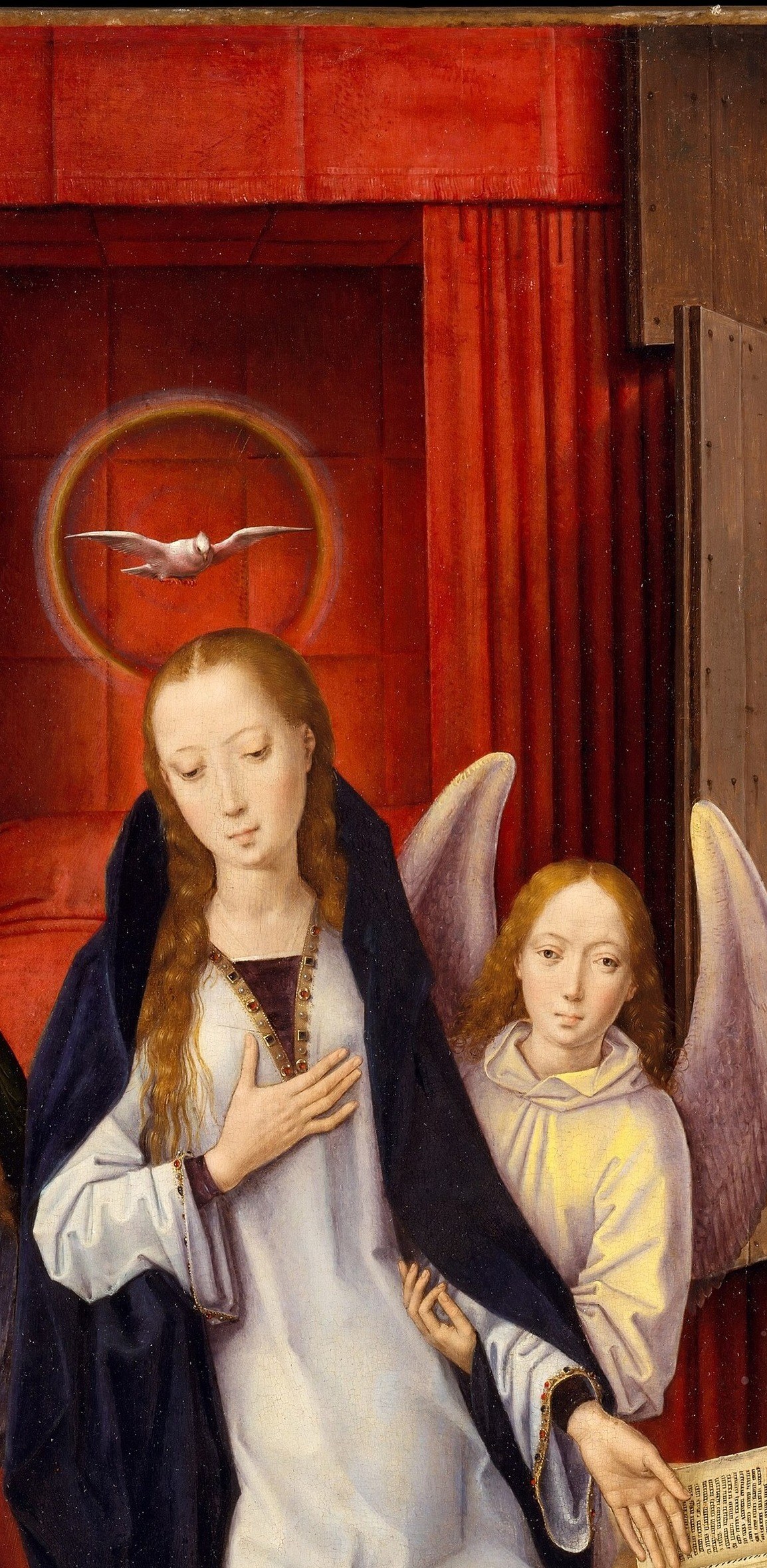
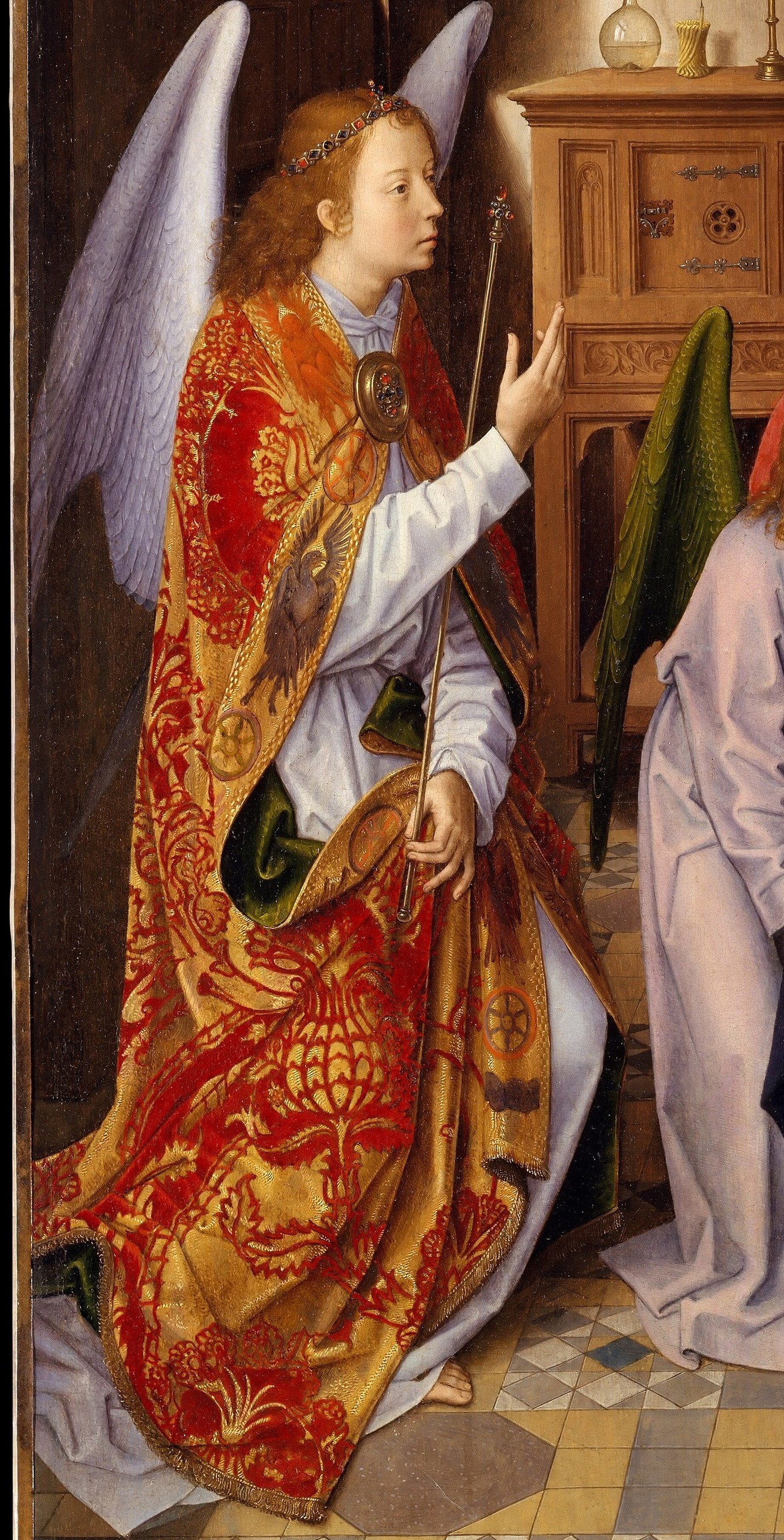
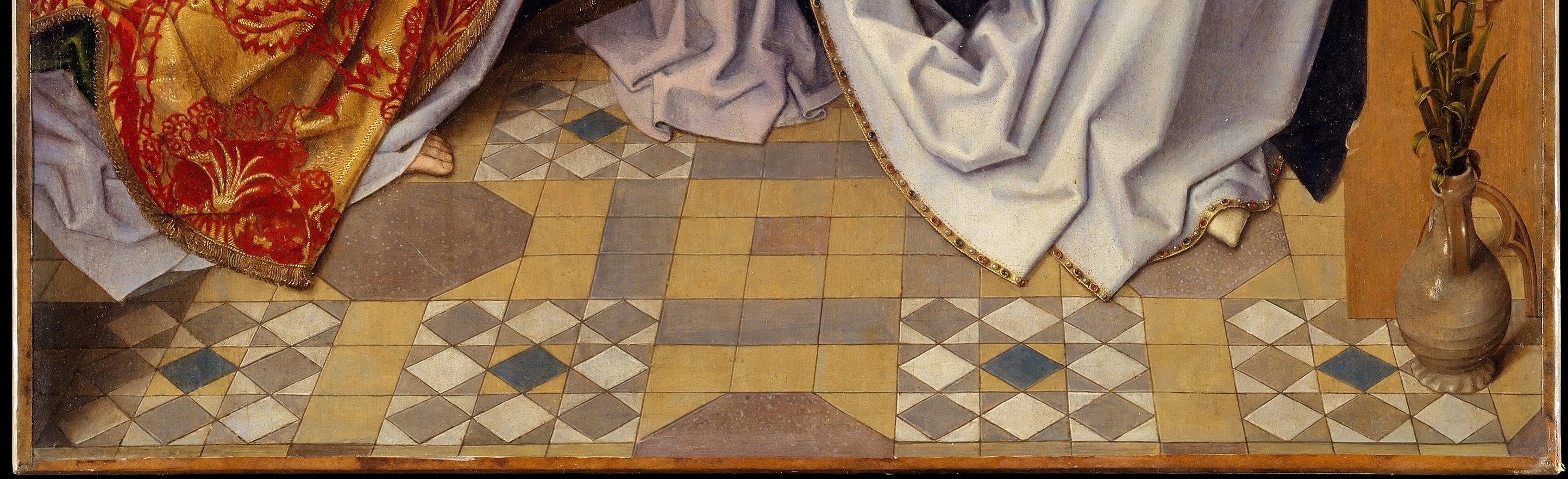
Notice Mary’s folded hands, a sign of humility and acceptance, and the dove hovering above, the Holy Spirit. Gabriel’s red robes stand out against the green‑red curtains, while light pours through the tracery‑framed window onto the tiled floor.

Memling created the work in Bruges when the city thrived on trade; the oak panel later was moved to canvas after 1928 to save it. The painting entered the Lehman collection in 1920 after passing through the Radziwiłł family.

The quiet moment captures a profound human response to divine news. What would you have done in Mary’s place?

#arthistory #HansMemling

Details
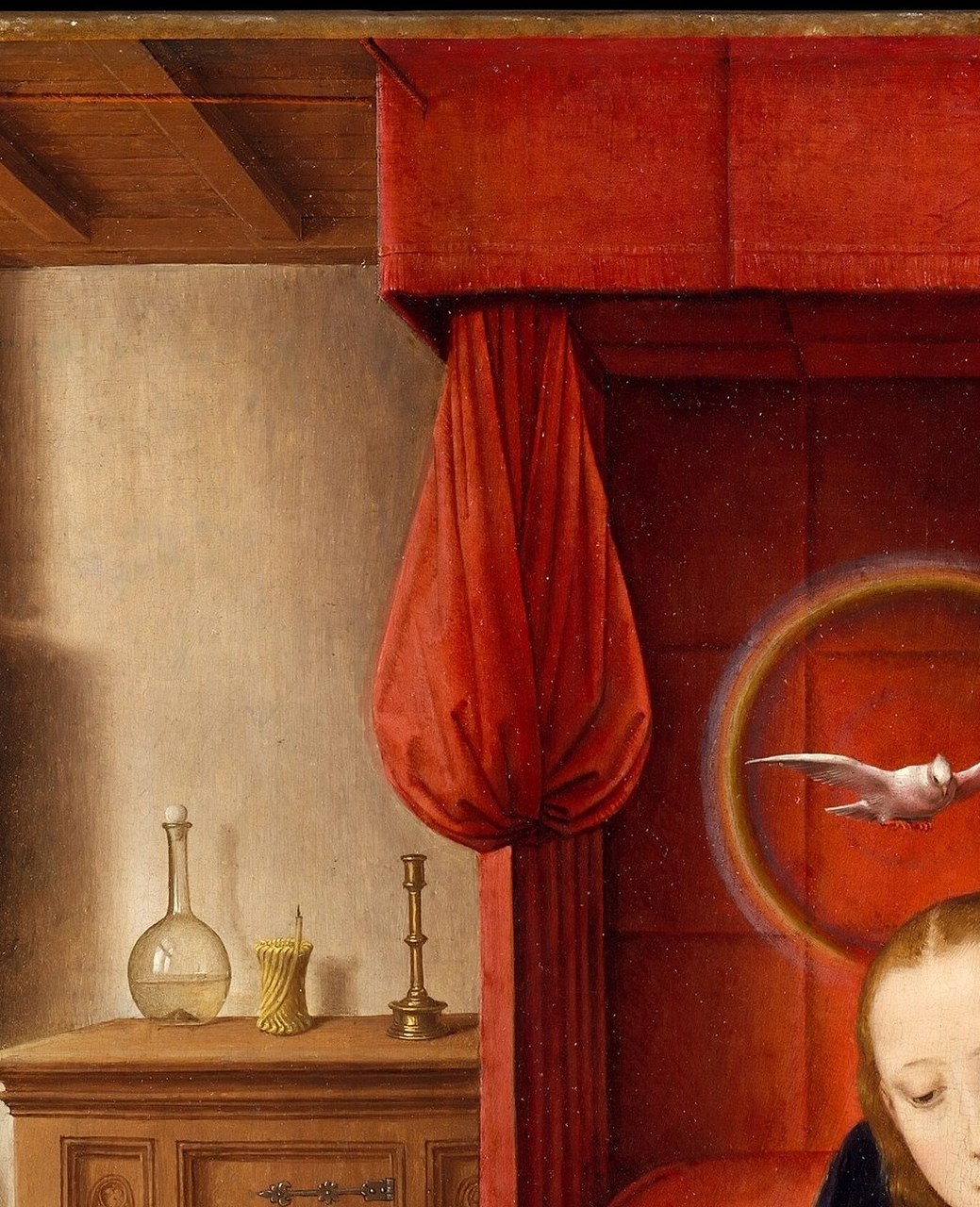
Mary's downward tilt and half-closed eyes signal the swoon that Memling uses to foreshadow her suffering at the Crucifixion , grief and acceptance collapse into a single expression.
His calm, intent gaze carries the entire weight of the divine message; the slight parting of lips suggests speech in progress.
The saturated red provides the chromatic foil that makes Mary's blue mantle (if present) and Gabriel's gold read clearly; in Flemish painting red curtains also signal a sacred or royal interior.
Memling's jewel-like rendering of brocade fabric is a technical tour de force , the gold weave catches light differently from the crimson ground, demonstrating Early Netherlandish oil technique at its peak.
The perspective recession of the floor tiles establishes the room's depth and grounds the celestial event in a believable domestic space , a hallmark of Flemish realism grafted onto sacred narrative.
Transcript

Her hands speak louder than words. She folds her hands as she swoons, echoing the future Passion. Above her, a dove hovers, the Holy Spirit. Memling painted this in Bruges during the 1480s, a booming trade era. Gabriel’s red robes blaze against the calm interior. Light streams through the tracery, spilling divine illumination. The panel was transferred to canvas after 1928, preserving its colors.