Portrait of a Man in Profile by http://www.wikidata.org/.well-known/genid/091e3d577fc03c6062195ab32dc1b0c4
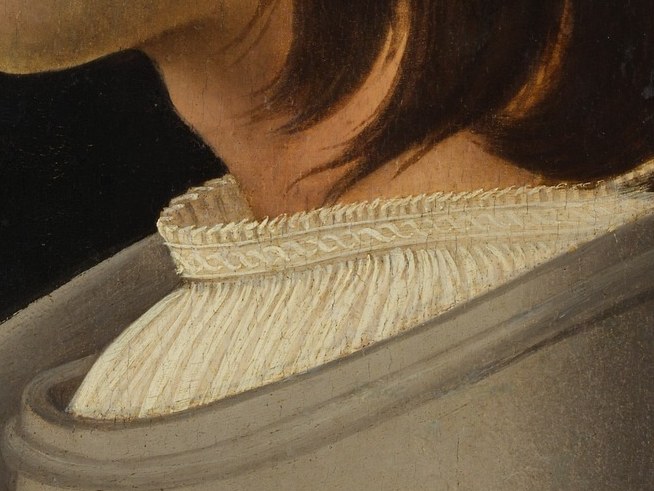
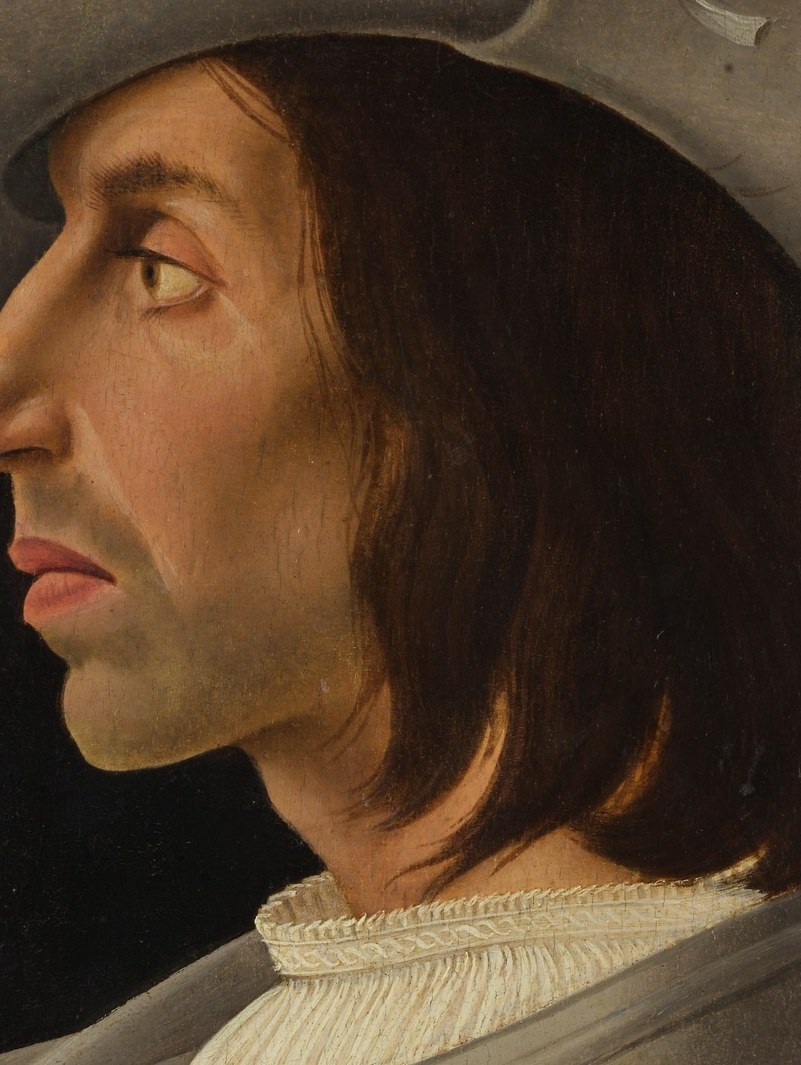
This is Lucas Cranach the Elder's "Portrait of a Man in Profile," painted around 1525. The sitter is unknown, a confident burgher or minor noble who chose to be recorded not with heraldry or finery, but with a plain gray doublet, a white collar, and a face the painter refused to flatter.
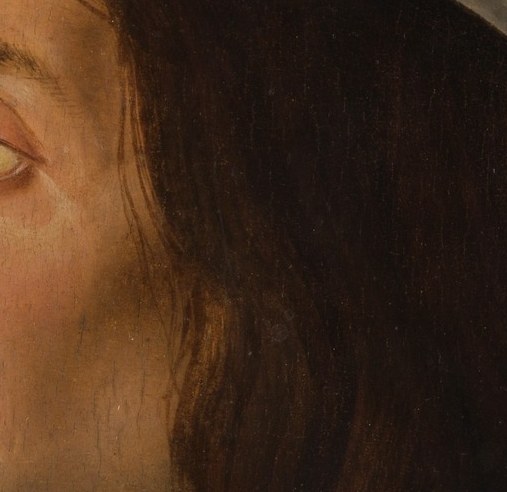
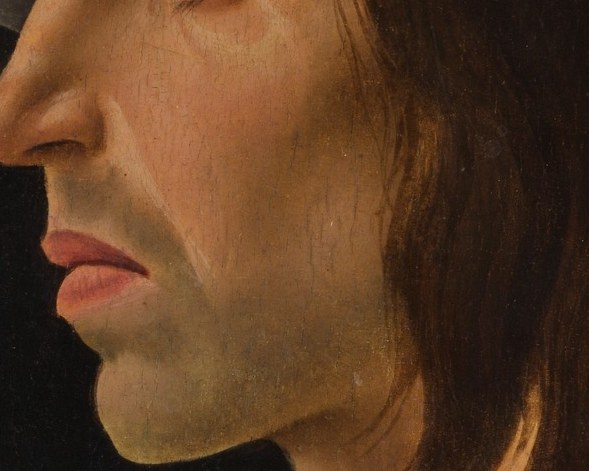
Look at the cheekbone highlight. It is one warm stroke of paint, but it does something extraordinary: it pushes the temple back and brings the cheek forward in the same instant. Then look at the shadow under the chin, a deep, cool void that separates the head from the collar and makes the whole thing a solid object hanging in space. The ear is the quiet proof of the trick. It turns gently from lit cartilage to dark hollow, no outlines, just tone.
Cranach was a close friend of Martin Luther and the most important painter of the German Reformation. His workshop turned out portraits of Protestant princes and burghers with a lean, honest style, no Italian idealization, no Catholic gold leaf. This man's nose is too strong, his jaw too sharp. That was the point. A face you could recognize across a room.
What still stops me is how much weight a single shadow can carry. Everything we think we know about this man's skull, its structure, its solidity, is just paint pushed into the right darkness.
Details
Transcript
It looks flat at first. A man in profile, plain against dark. Now look at his cheekbone. A single stroke of warm light. See what the shadow beneath it does. That patch of darkness pushes the skull backward in space. And the ear, look how softly it turns from light into dark. The painter knew the cheekbone, the jaw, the ear are one continuous volume. This is chiaroscuro, drawing with light and shadow, not outlines.