The Calling of Saint Matthew by Juan de Pareja
Juan de Pareja's 1661 masterpiece, *The Calling of Saint Matthew*, housed at the Museo del Prado, tells a story of transformation with deeply personal resonance for its creator. The painting depicts Jesus summoning Levi, a tax collector, to abandon his worldly life and become the apostle Matthew.
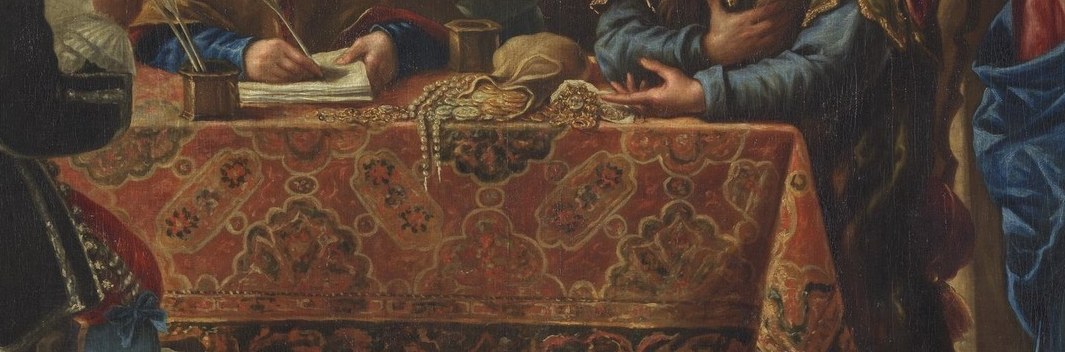
Look closely at Matthew's surprised gesture as Jesus points, inviting him to a new path away from the money and ledgers. The dramatic light cutting through the scene highlights this pivotal moment of choice.
Pareja, an Afro-Hispanic artist, had himself only been freed from slavery by Diego Velázquez in 1650. His choice to depict Matthew's conversion and new identity echoes his own journey from workshop assistant to recognized painter. This work cemented his place in art history.
What does it mean to be called to a new purpose?
Details

Transcript
This painting tells the story of Jesus calling Matthew. Matthew, a tax collector, sits with his colleagues, counting money. The painter was Juan de Pareja, freed from slavery in 1650. Jesus points to him, calling him to a new life. Pareja’s own new identity as a free artist resonates with Matthew’s transformation. This work, painted in 1661, helped define his legacy.