Cabin of the Customs Watch by Claude Monet
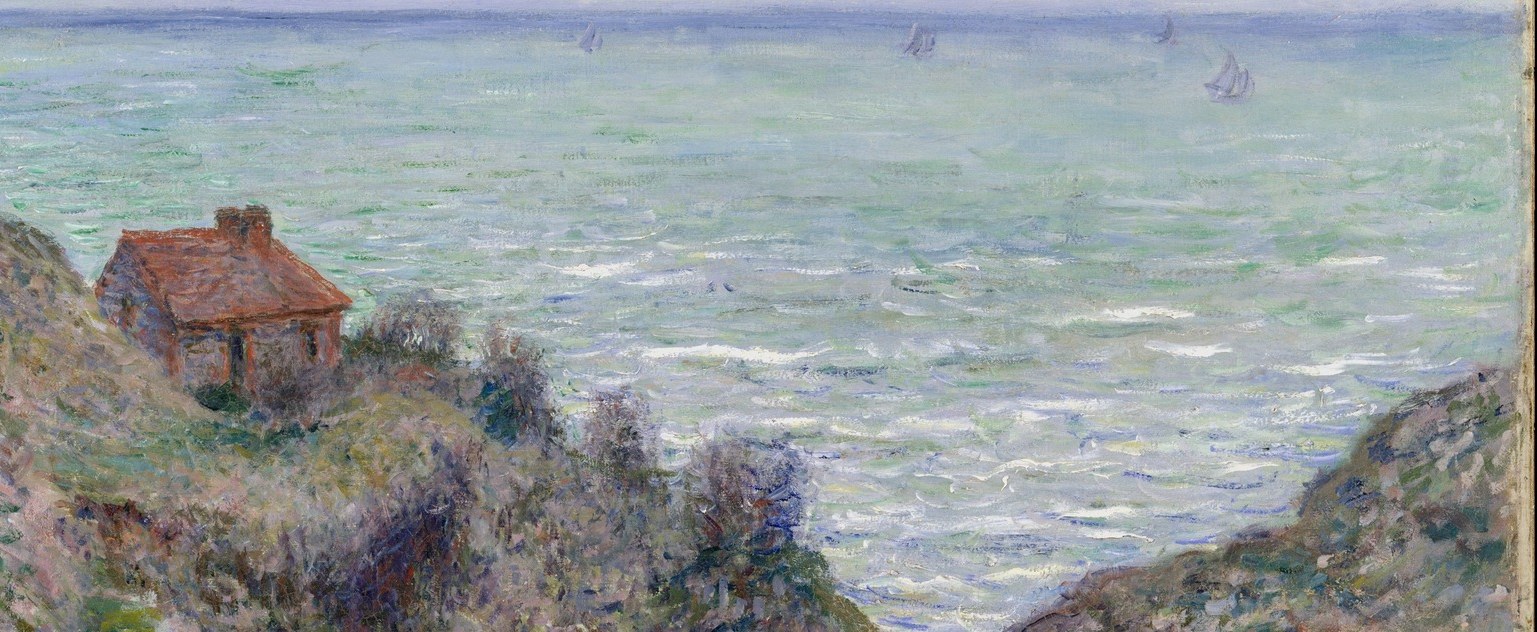
Cabin of the Customs Watch by Claude Monet, 1892, held at The Metropolitan Museum of Art. This painting offers a quiet yet powerful glimpse into a specific type of coastal dwelling that once guarded maritime routes.
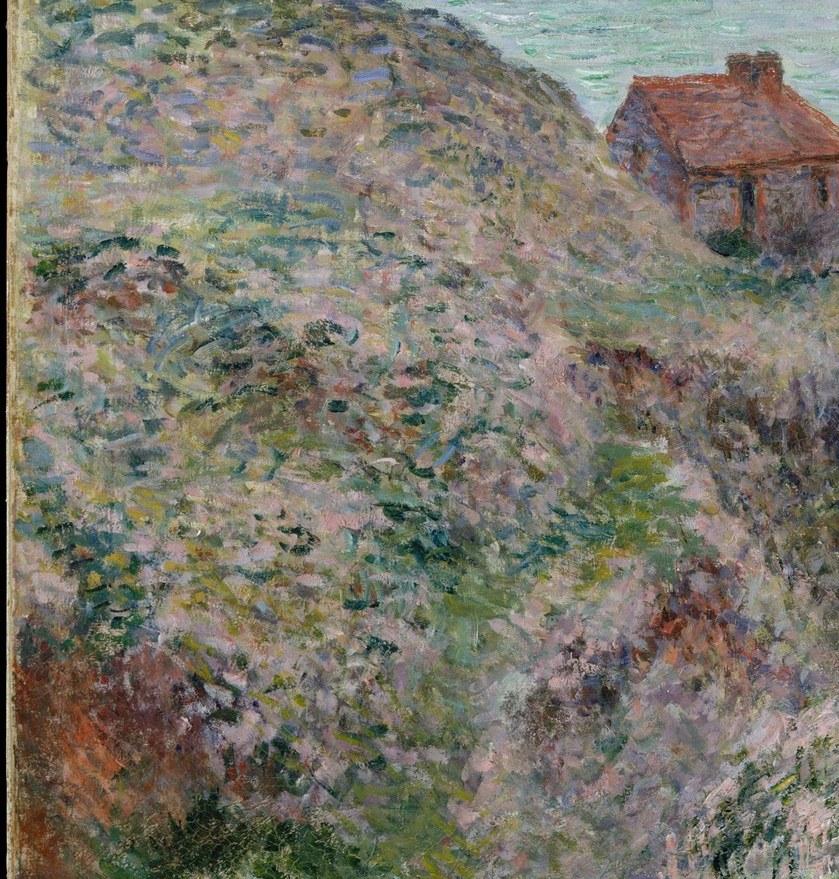
Observe the small customs watch cabin, perched resolutely on a rocky cliff. Monet’s brushstrokes bring the foaming sea waves to life, contrasting with the muted tones of the overcast sky and the sparse vegetation clinging to the exposed coastline. Notice the distant sailing ships, suggesting the broader world of maritime activity that this cabin would have monitored.
Painted in 1892, this work places us at a specific historical moment, highlighting the function of these isolated dwellings. Monet, a founder of Impressionism, was dedicated to capturing the fleeting effects of light and atmosphere, a philosophy evident in the dynamic rendering of the sea and sky.
The scene conveys a sense of solitude and enduring vigilance. What might the daily life of a watchman in such an isolated post have been like?
Details
Transcript
This small cabin stood guard by the sea. It was one of many customs watch cabins. The painter captured its rough, rocky perch. He showed the waves hitting the shore. Monet painted this in 1892. Distant ships hint at daily maritime traffic. Life was simple on this exposed coast.