Cardinal Fernando Niño de Guevara by El Greco
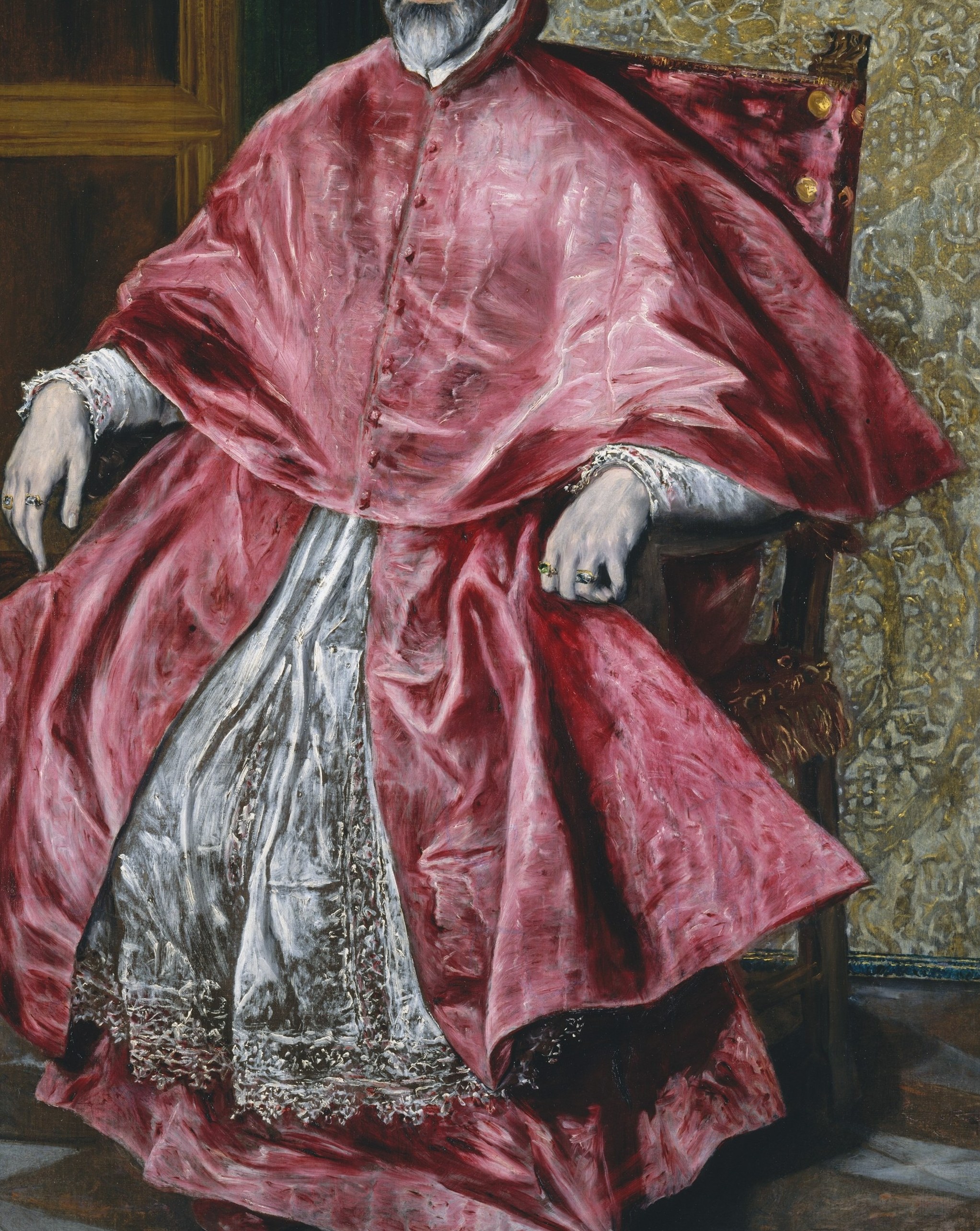
El Greco's "Cardinal Fernando Niño de Guevara," painted around 1600, is more than just a likeness; it's a powerful statement of status and influence. This striking oil painting, now at the Metropolitan Museum of Art, captures one of the most significant figures in the Spanish Catholic Church.
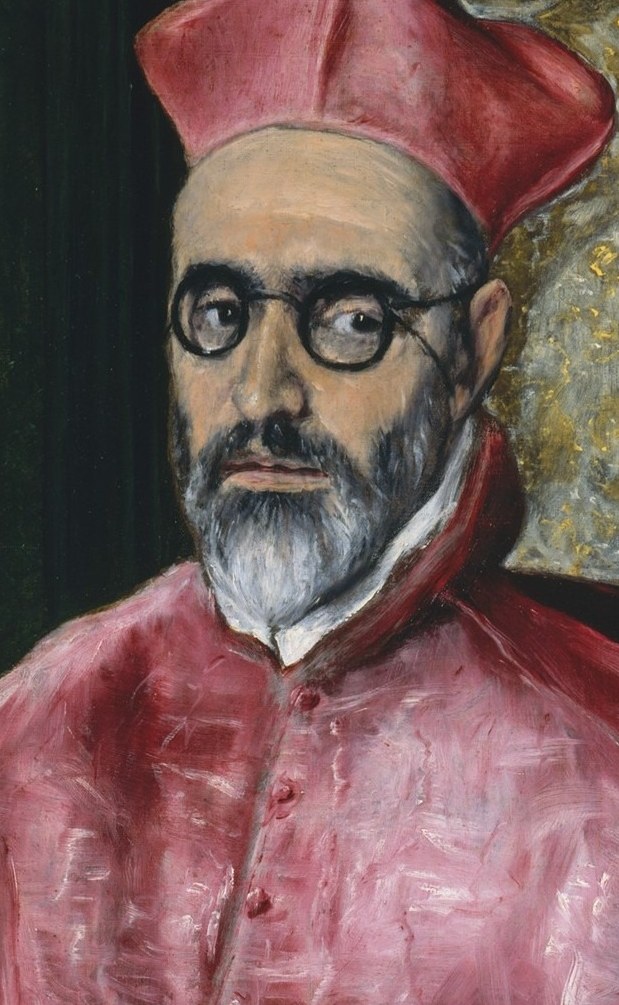
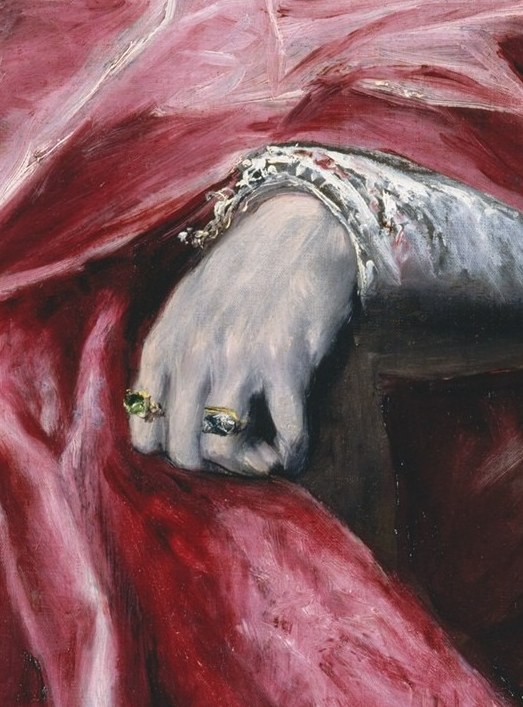
Notice the vibrant red galero (cardinal's hat) and the rich, voluminous robes. These are unmistakable symbols of his high ecclesiastical rank. The prominent rings on his hands further emphasize his wealth and authority within the church.
The portrait was likely commissioned by his nephew, Pedro Lasso, a prominent courtier and patron of El Greco. In a time when self-portraits were rare outside of court, Lasso used this artwork as a public declaration, celebrating his family's elevated status through his powerful cardinal uncle and a renowned artist.
El Greco's dynamic style perfectly conveys the gravitas of a man who served as the Grand Inquisitor of Spain, making this painting a fascinating blend of personal history and public display. What details do you notice first?
Details
Transcript
This man's robes tell a story of immense power. He is Fernando Niño de Guevara, Grand Inquisitor of Spain. His red hat, the galero, marks him as a Cardinal. Look closely at the rings on his hands. They are symbols of his wealth and ecclesiastical authority. This portrait was likely commissioned by his nephew, Pedro Lasso. Lasso, a royal courtier, used art to celebrate his family's status. It was a public declaration of family pride and influence.