Portrait of François de Vicq (1646-1707). Burgomaster of Amsterdam for several terms from 1697 on by Gerard ter Borch
Gerard ter Borch's 1670 portrait of François de Vicq captures a young man on the cusp of a distinguished career. This painting, part of the Rijksmuseum collection, offers a glimpse into the civic elite of the Dutch Golden Age.
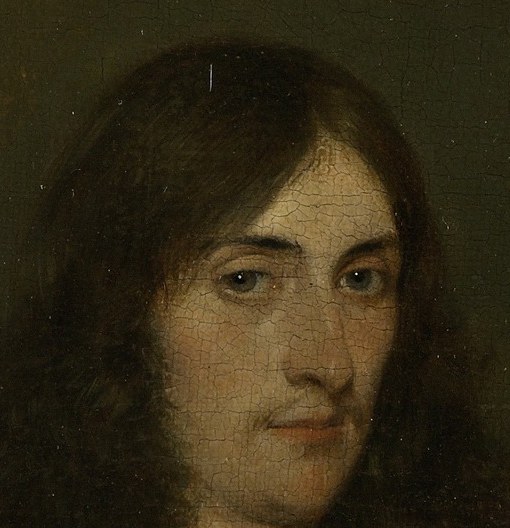
Look closely at de Vicq's face and posture. Even at 24, the painter conveys a sense of quiet authority and confidence, hinting at the future Burgomaster of Amsterdam.
De Vicq would go on to serve multiple terms as Burgomaster starting in 1697, a position of significant influence. Ter Borch, known primarily for his genre scenes, also excelled in formal portraiture, documenting the prominent figures of his time.
This portrait reminds us that even before their greatest achievements, individuals often carry the quiet dignity of their future selves.
Details
Transcript
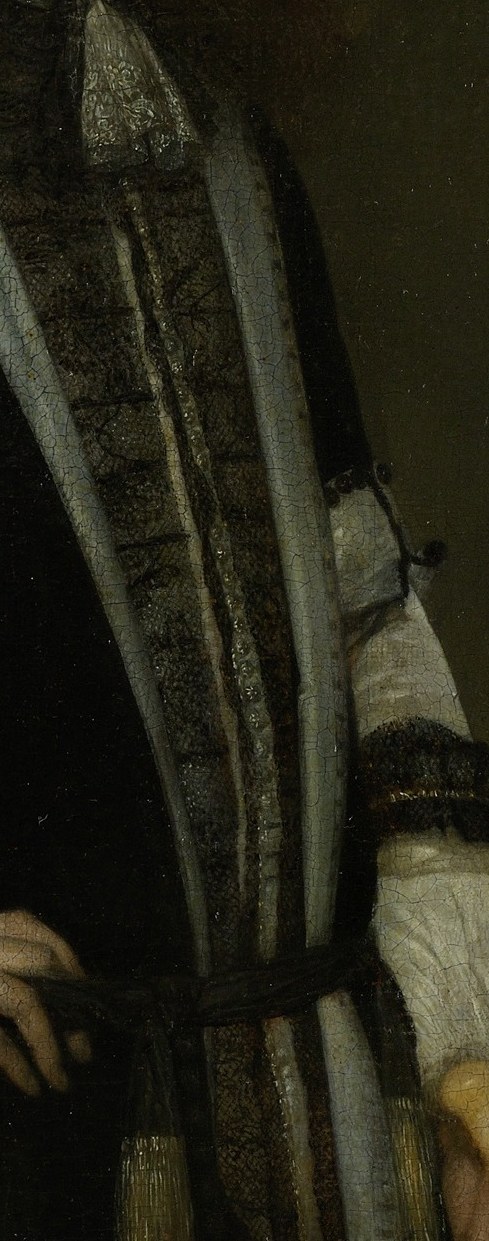
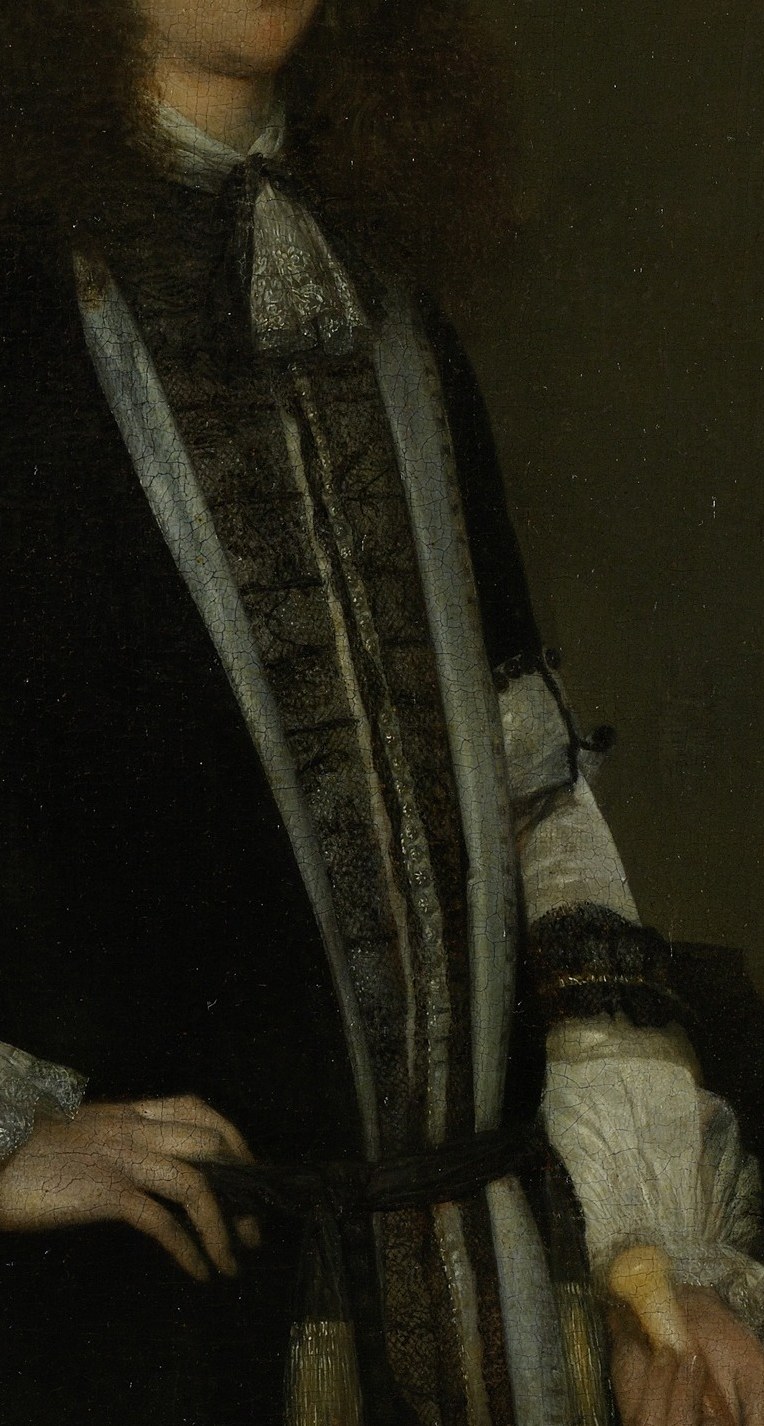
This man became Amsterdam's Burgomaster in 1697. He was just 24 when this portrait was painted in 1670. The painter captures his quiet authority, even as a young man. Notice the ornate sash, a sign of his social standing. His left hand rests confidently on his hip. He would serve many terms as Burgomaster of Amsterdam.