Portrait of a Lady by http://www.wikidata.org/.well-known/genid/806f34c8d5485e449cc44b4072f8f5c9
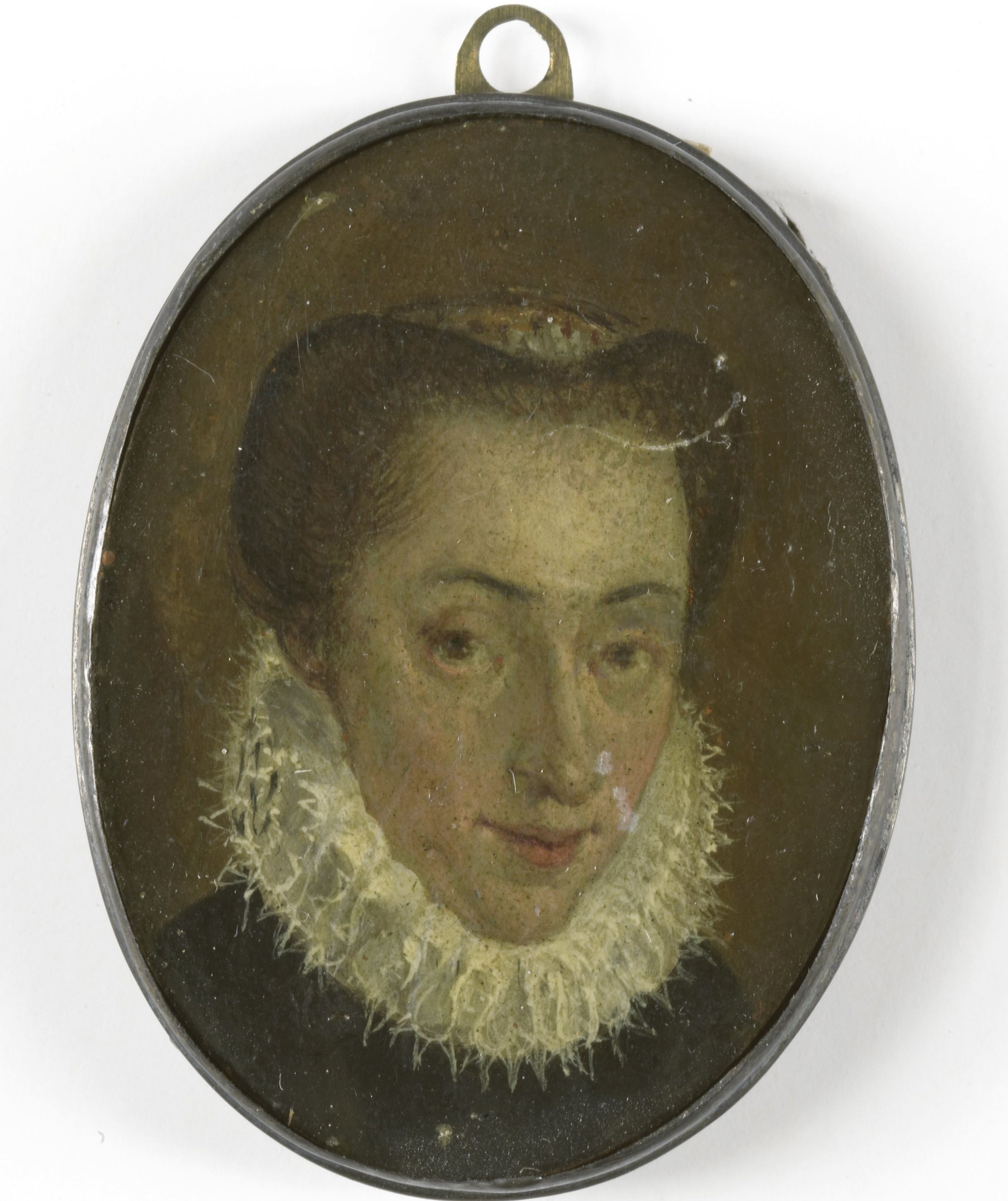
This intriguing Portrait of a Lady, painted on copper around 1575 by an unknown artist, holds a silent testament to a dark chapter in history. Now residing in a private collection, its journey through time likely includes a period of plunder and illicit trade.
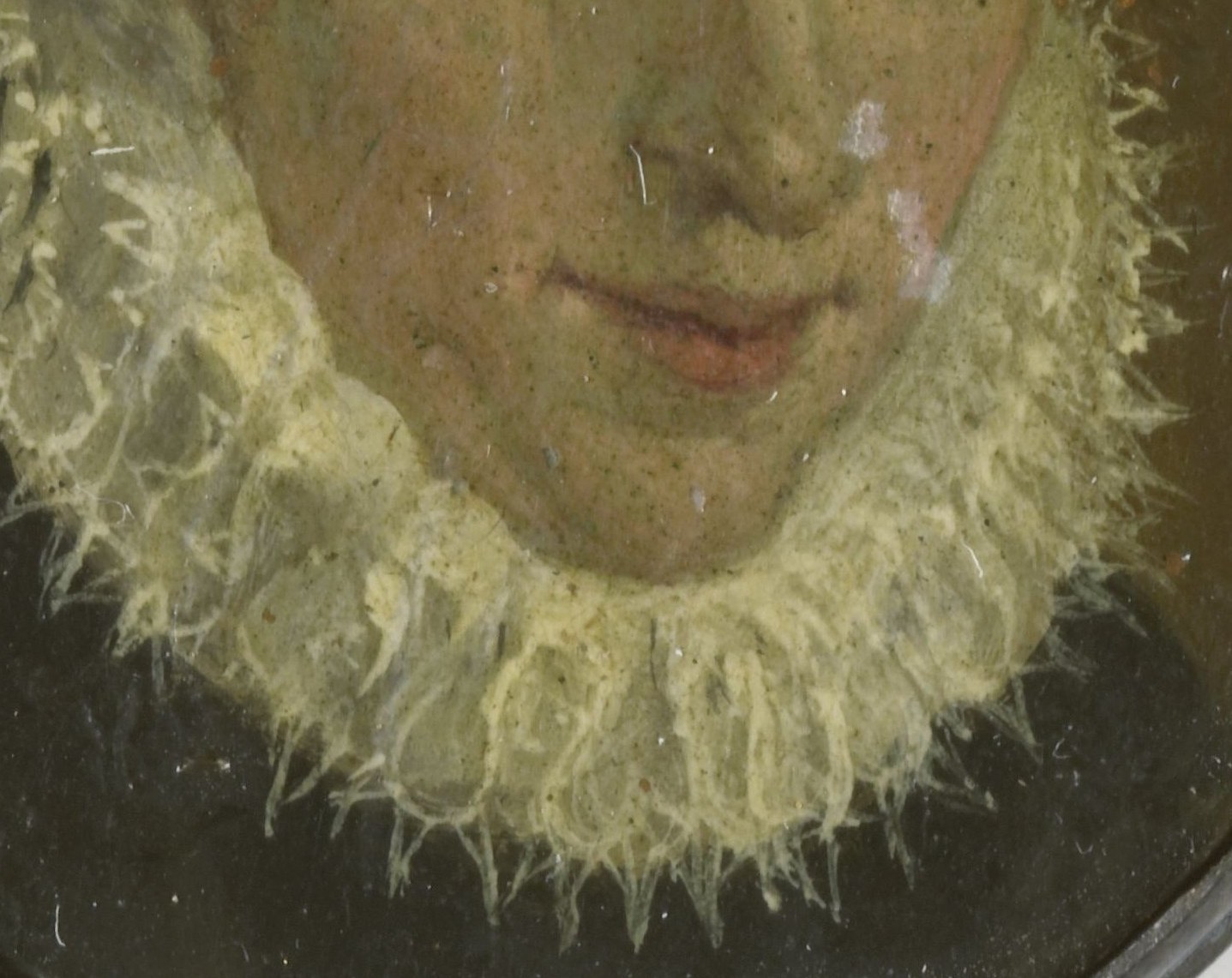
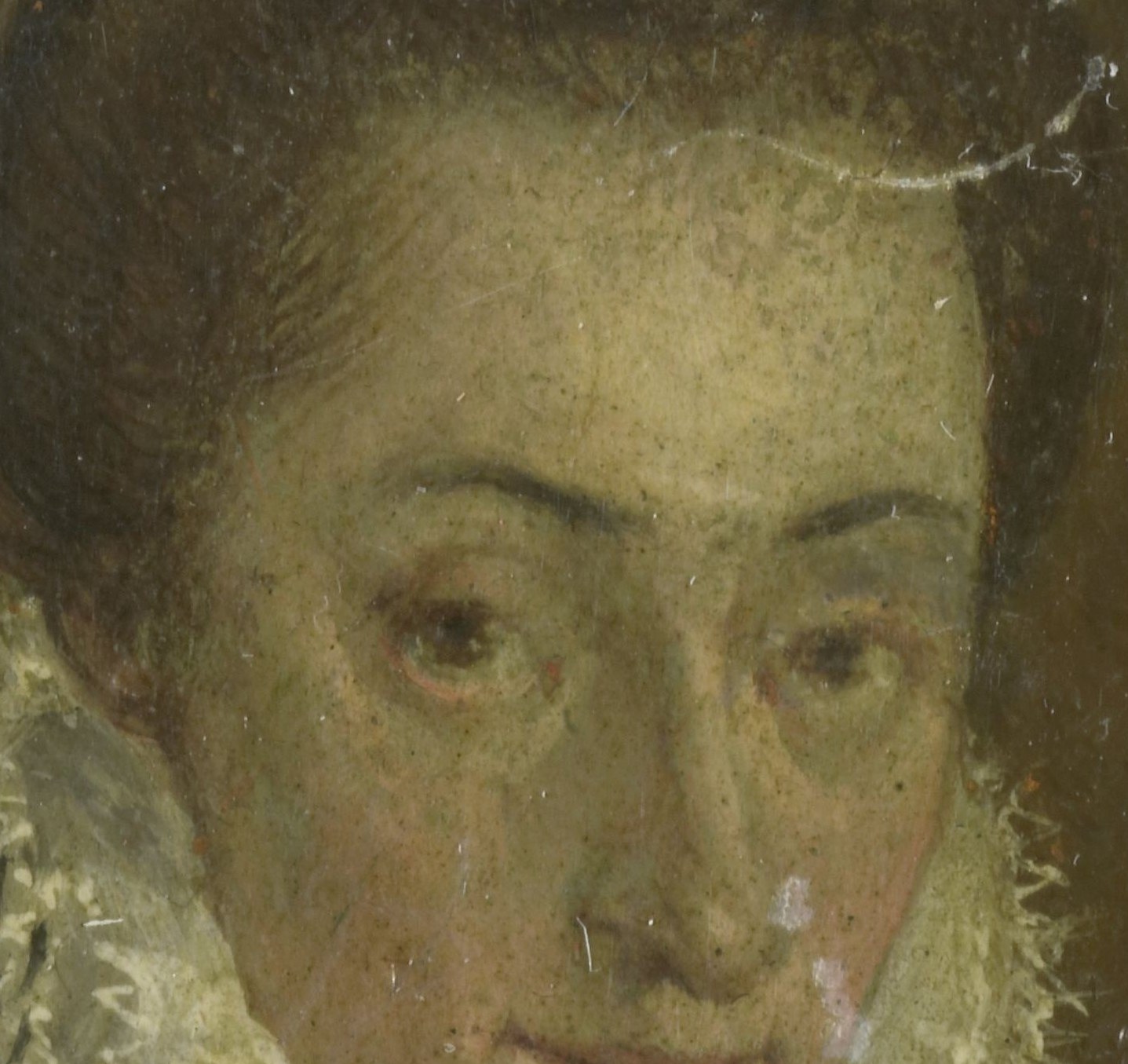
The painting, a small, intimate work, depicts a woman of apparent standing, her expression composed, adorned with a fashionable ruffled collar of the era. The use of copper as a medium allowed for fine details and a luminous surface, making it a valuable and portable possession.
While the lady's identity remains a mystery, the portrait's provenance suggests it was likely stolen during World War II, a time when countless artworks were plundered by the Nazis. It then passed through the hands of art dealers who, with knowledge of its tainted history, facilitated its sale. The very characteristics that made it precious, its size and material, also made it easily concealable and transportable for those who sought to profit from others' loss.
The story of this portrait reminds us that the history of art is often intertwined with the broader currents of human conflict and the enduring quest to recover what was lost. What secrets might her gaze still hold?
Details
Transcript
This isn't a canvas painting, it's painted on copper. The lady wears a stiff, ruffled collar, fashionable in the 16th century. Her portrait was likely stolen during World War II. The lady's identity remains a mystery to this day. Art dealers then sold it, knowing its dark past. This small size made it easy to conceal and move.