River landscape with boar hunt by Joos de Momper the Younger
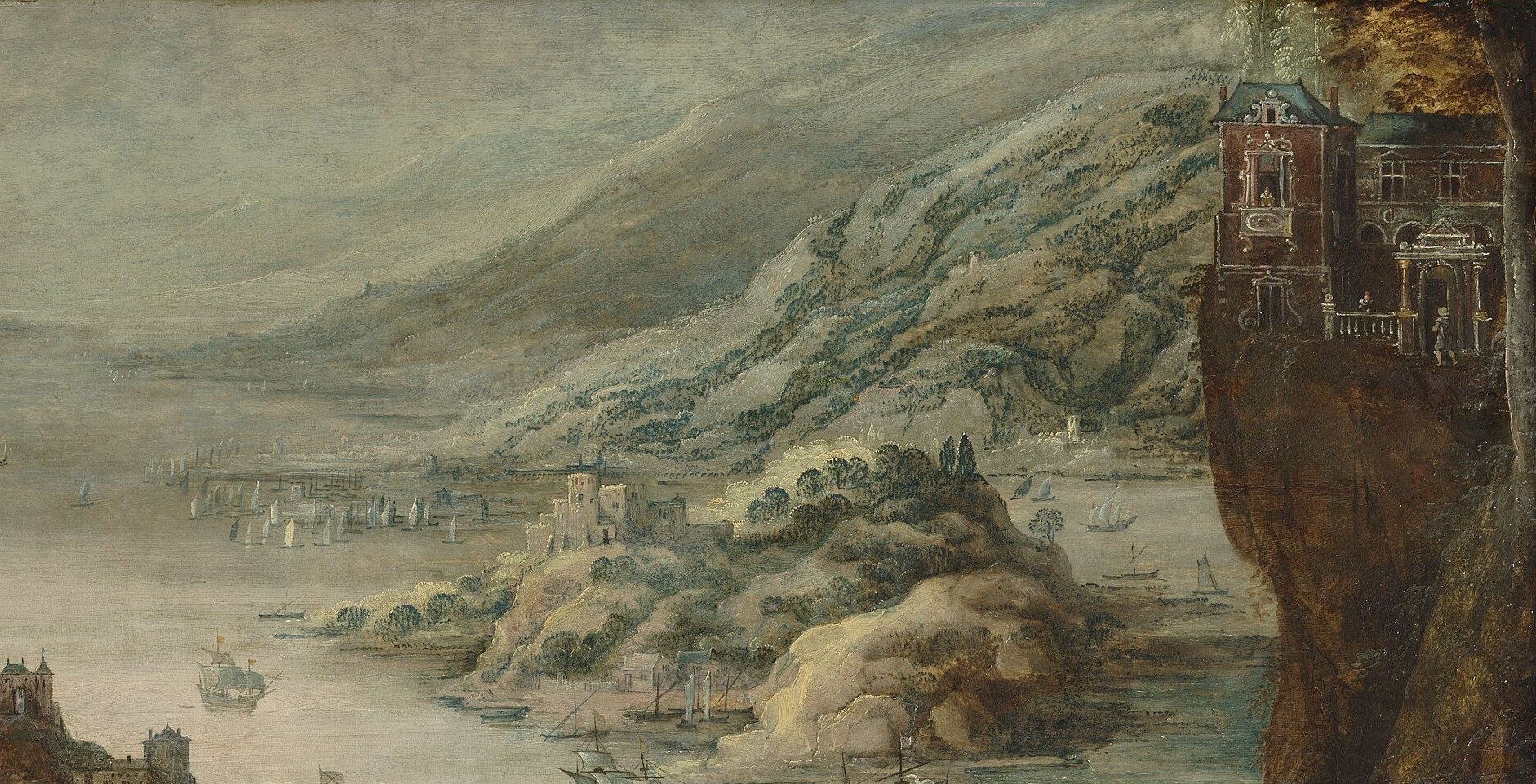
Joos de Momper the Younger's "River Landscape with a Boar Hunt," painted around 1600 and held at the Rijksmuseum, is a vibrant snapshot of early 17th-century life.
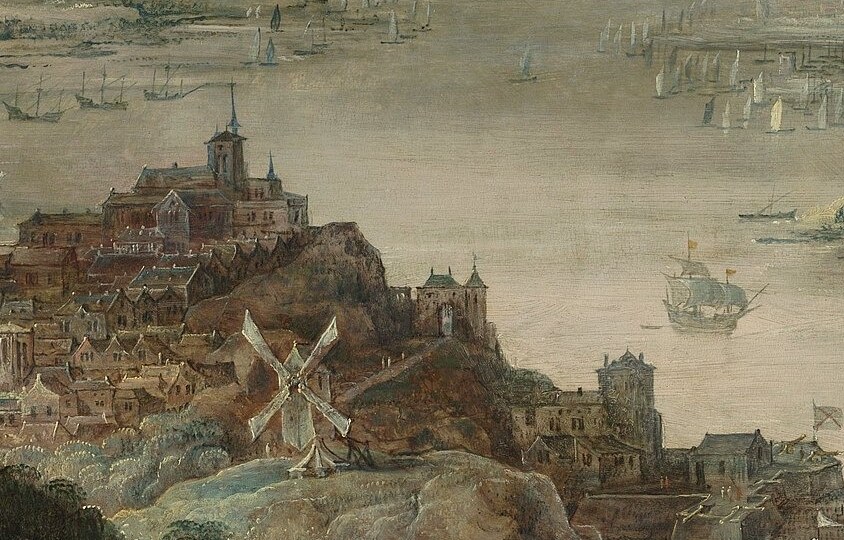
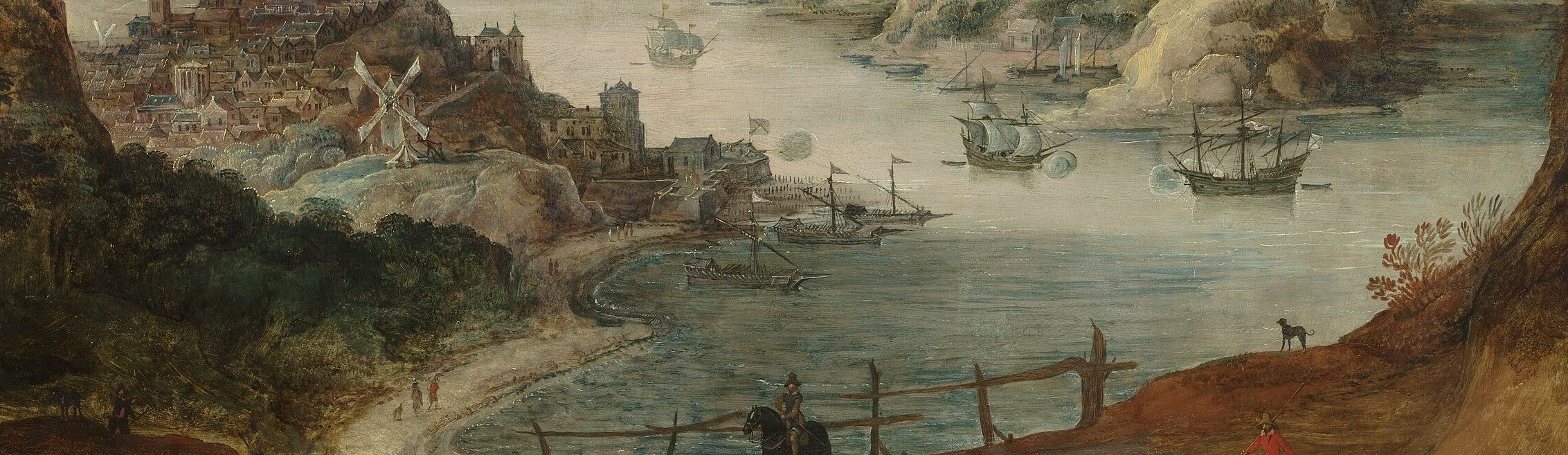
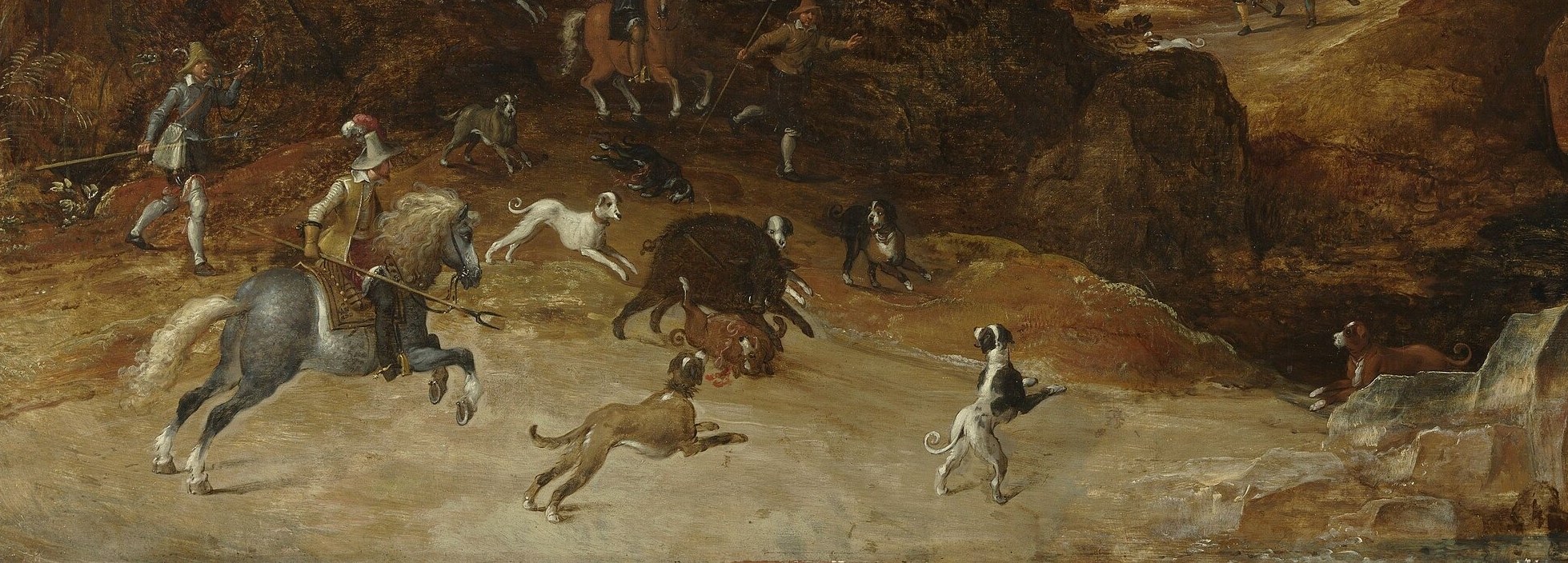
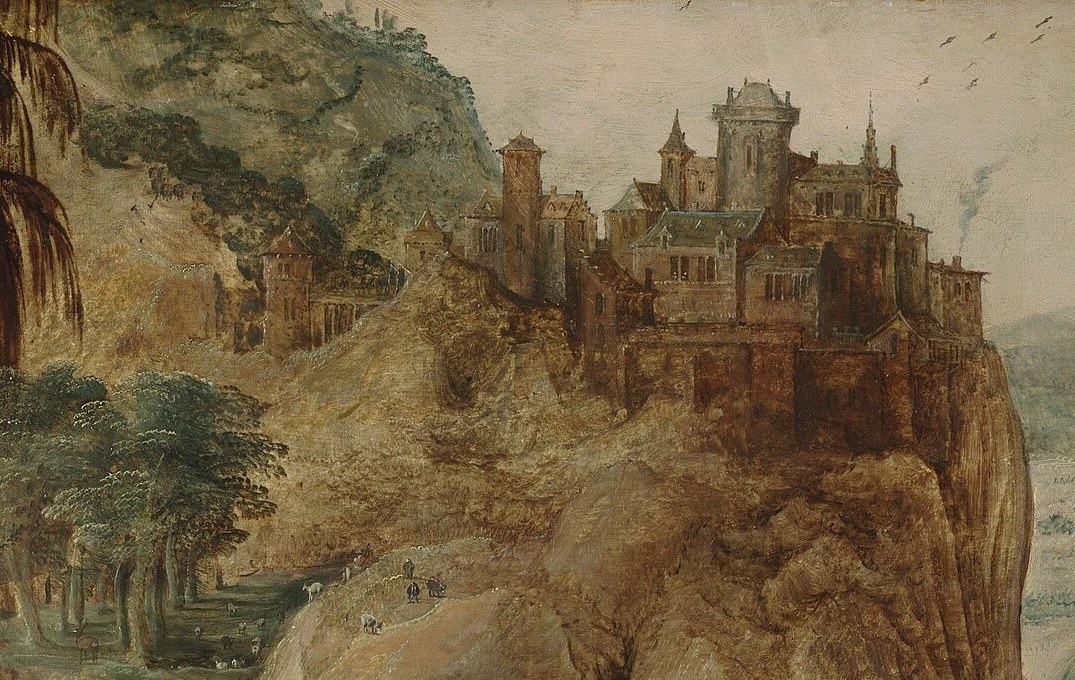
This Flemish masterpiece uses a distinctive high vantage point, allowing for a comprehensive view of a bustling riverside panorama. Look closely at the foreground to see a dramatic boar hunt unfolding, a dangerous yet prestigious activity of the era. Further in the distance, a grand castle stands guard over a thriving city with a prominent windmill, while the river teems with sailing ships, indicating a busy trade route.
De Momper's use of an elevated perspective in this work reflects an earlier phase in his artistic development. He later transitioned to a lower horizon line, a shift that significantly influenced the visual language of 17th-century Dutch and Flemish landscape painting, setting a precedent for generations of artists to follow.
What details do you find most interesting about life in this landscape?
Details
Transcript
This painting, from around 1600, shows a thriving landscape. A high vantage point was used, like Pieter Brueghel the Elder. A grand castle overlooks a bustling city with a prominent windmill. The wide river is filled with ships, showing a busy trade route. In the foreground, a perilous boar hunt unfolds with dogs and riders. Boar hunting was a prestigious pursuit in early modern Europe. The artist later used a lower viewpoint, influencing 17th-century landscapes.