Fishermen by George Luks
George Luks's "Fishermen," painted in 1920, is a compelling snapshot of everyday labor, now held at The Metropolitan Museum of Art. Luks, a prominent member of the Ashcan School, rejected the idealized aesthetics of his time, choosing instead to portray the unembellished realities of working-class life.
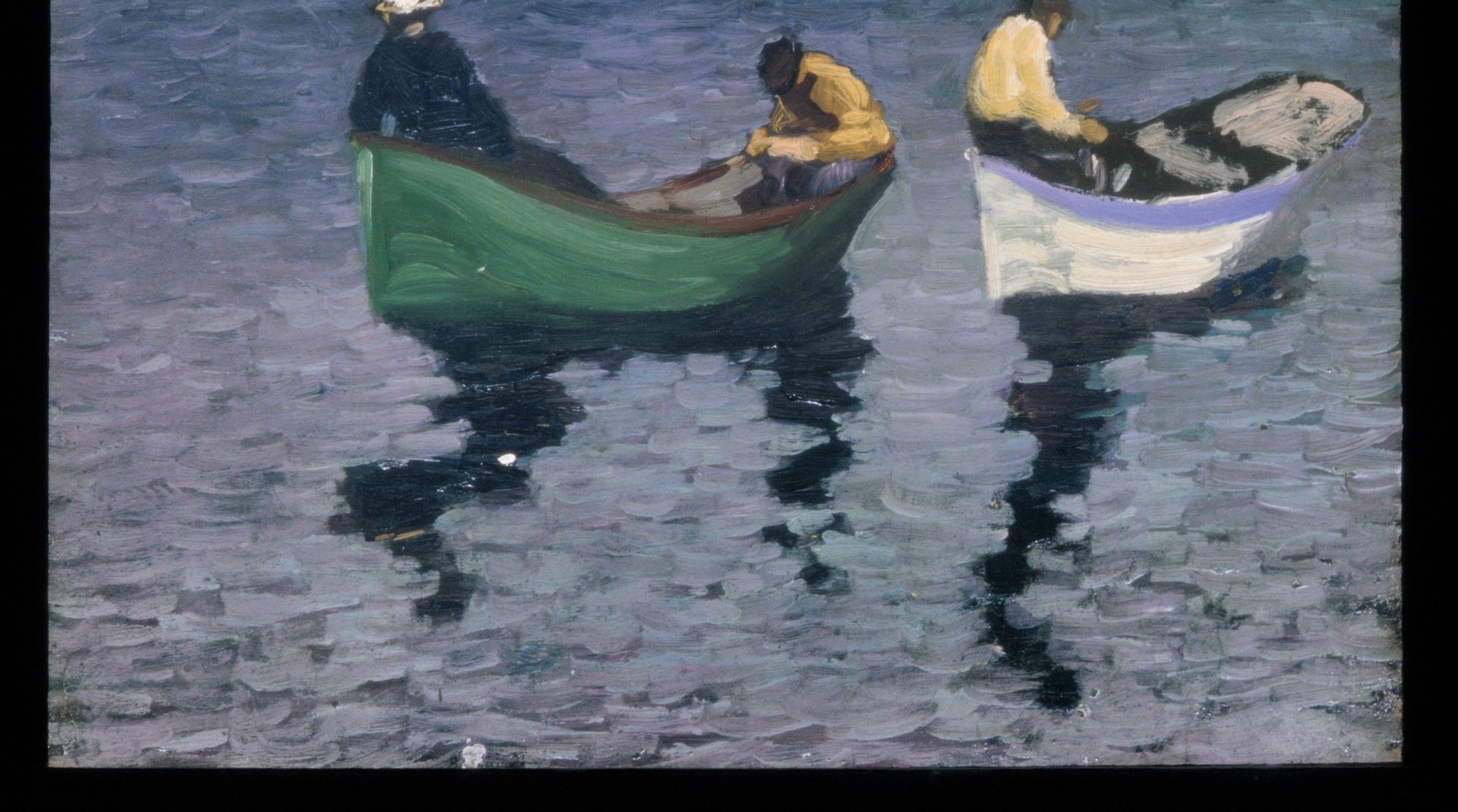
In this painting, you see three men in a rowboat, engaged in the quiet, focused act of fishing. The artist's direct and robust style, honed through his background in newspaper illustration, brings an immediate quality to the scene, emphasizing the physical presence of the fishermen and their environment.
Luks and the Ashcan School sought to create an authentic visual narrative of American life. His work offers a window into the simple, yet profound, moments of labor and survival that often went unrepresented in art. It reminds us of the dignity in daily work.
What details in the painting speak most to you about their labor?
Details



Transcript
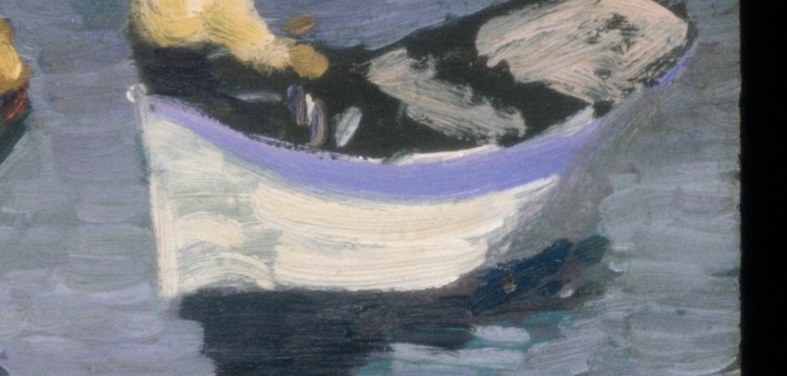
In 1920, this painter captured ordinary life, unadorned. He was part of the Ashcan School, defying academic traditions. His art focused on everyday scenes, like these fishermen at work. Look closely at the man in the green boat, deeply focused. His hunched posture suggests the quiet effort of his labor. The choppy water reflects the movement of their patient activity.