The Matador Saluting by Édouard Manet
View the artwork: The Matador Saluting →
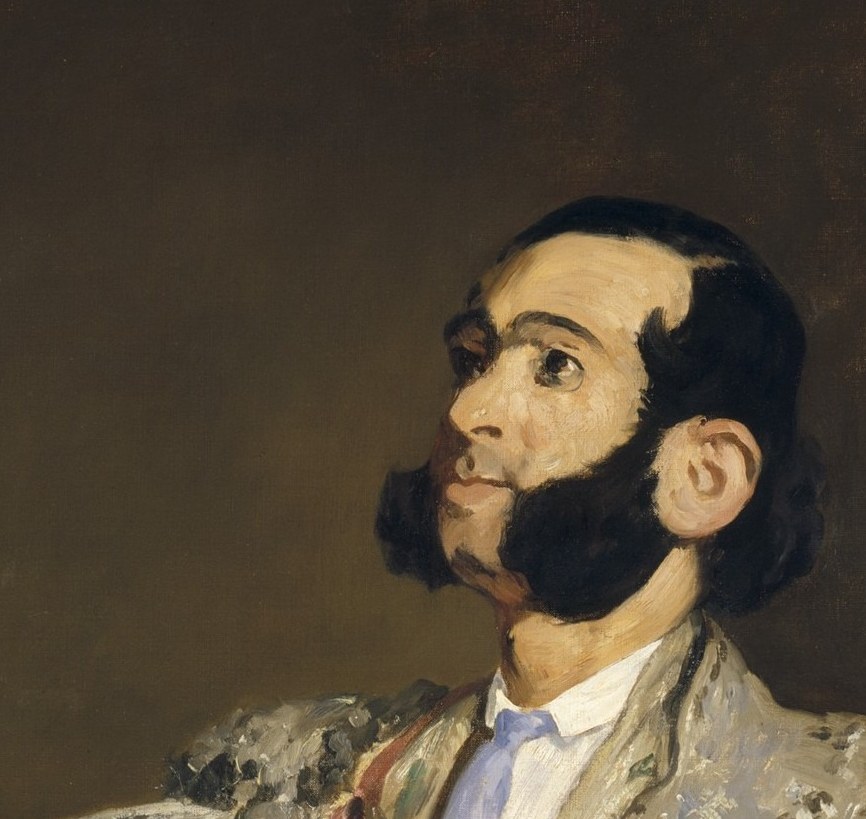
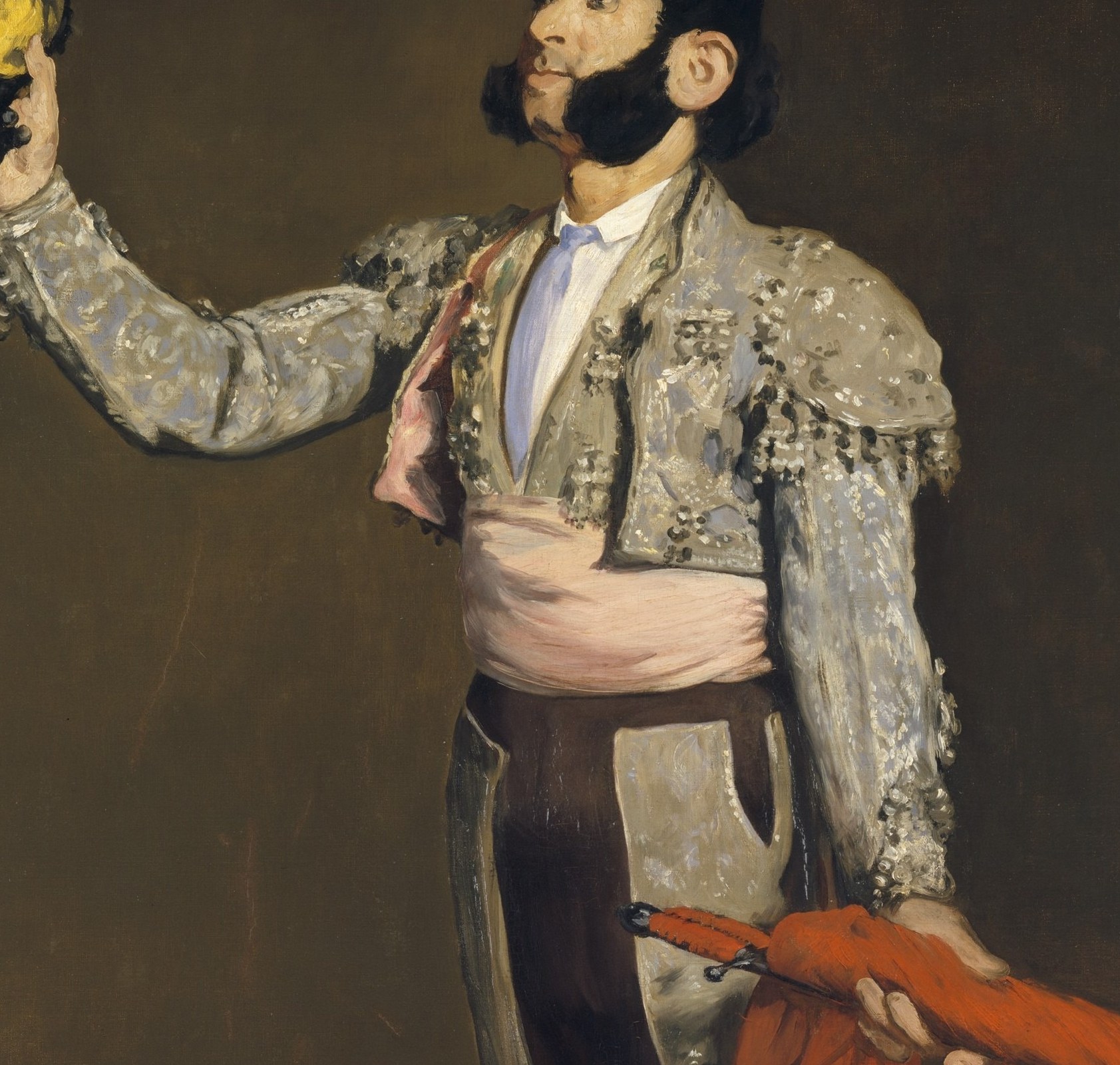
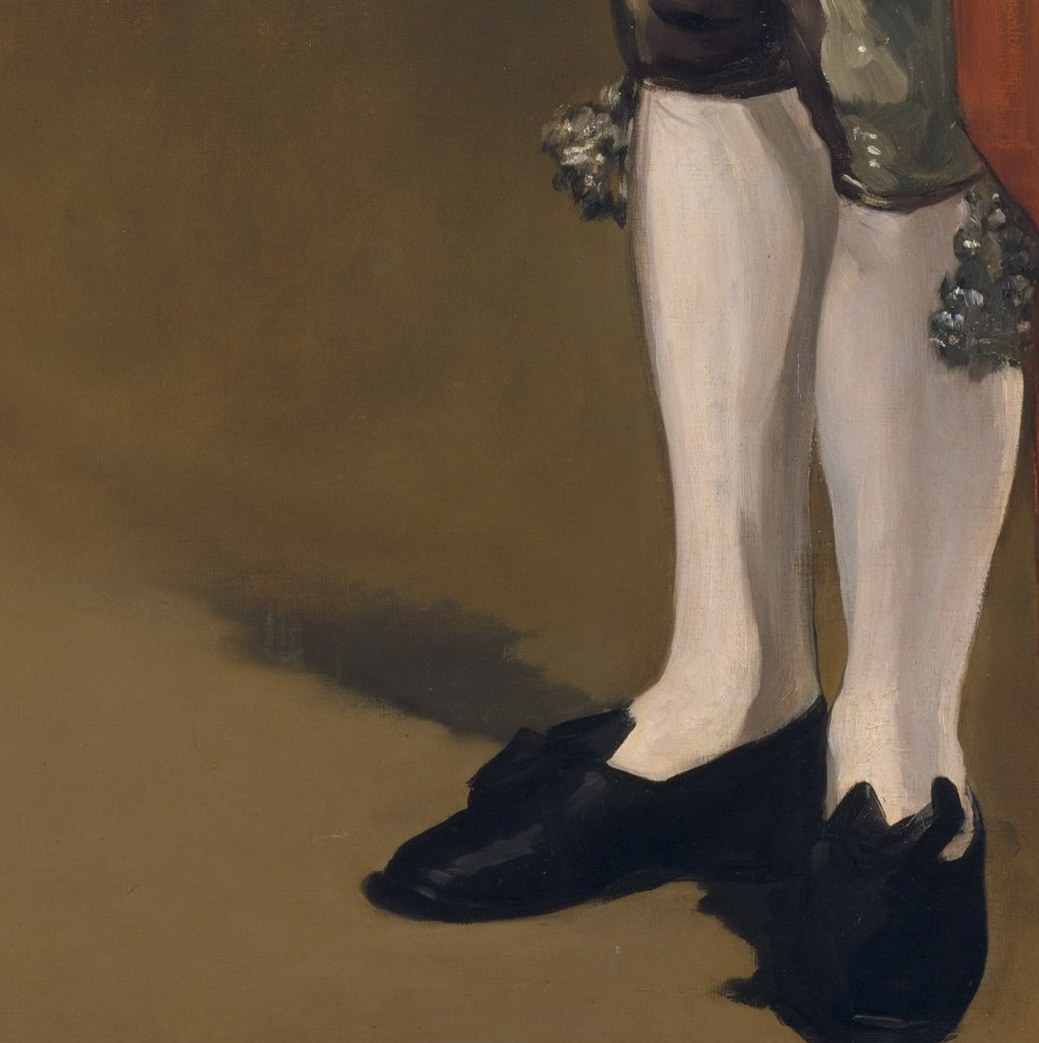
Édouard Manet's The Matador Saluting (1866) is the first painting he completed after his only trip to Spain. It lives at the Metropolitan Museum of Art in New York.
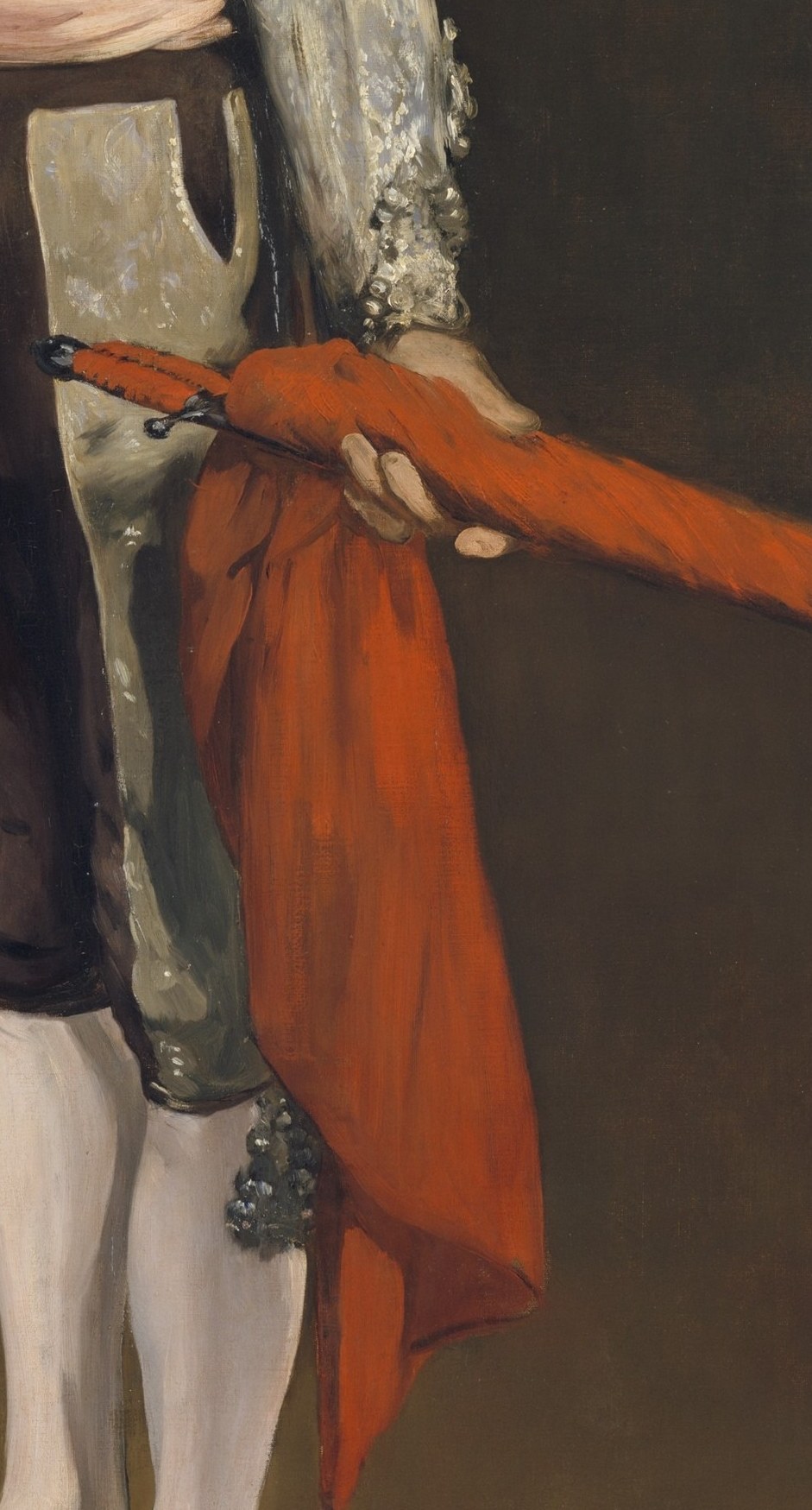
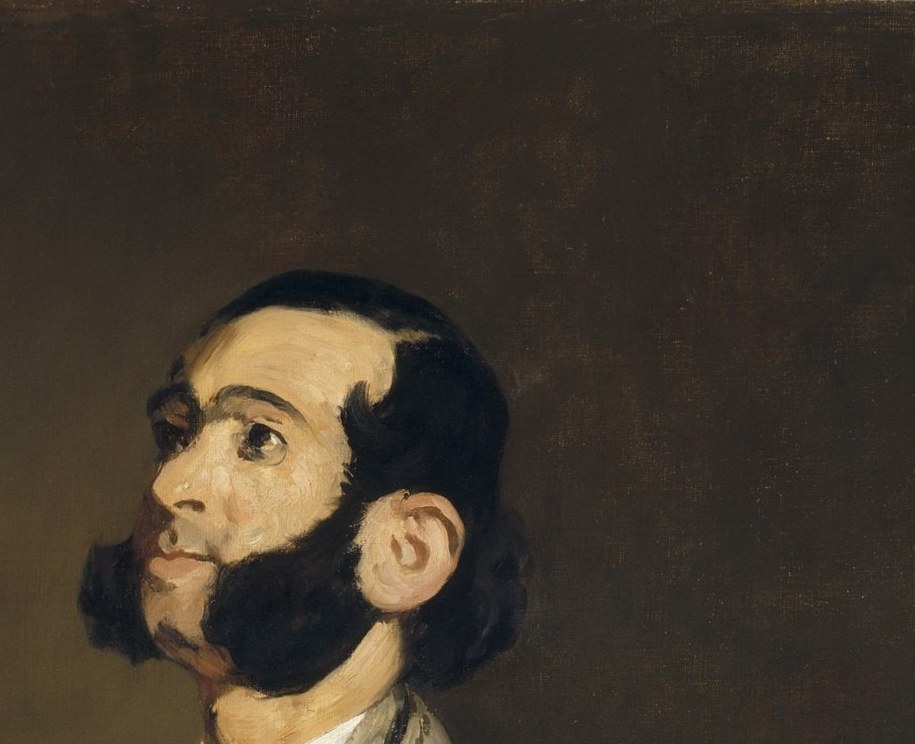
Before 1865, Manet painted Spanish scenes from studio props and imagination. Then he went to Madrid, stood in front of Velázquez, and watched a real bullfight. Look at the red muleta: this is the first time he painted a matador's cape from direct observation. The pink sash and silver sequins show a painter suddenly fascinated by real fabric catching real light.
Manet showed this painting and about twenty other Spanish-themed works at his own private pavilion, built next to the 1867 Paris World's Fair. It was a bold move from an artist the official Salon kept rejecting. The painting later passed through the Havemeyer collection and was bequeathed to the Met in 1929.
One train trip to Spain, and a French painter found the path from Realism into what would become Impressionism. You can see the hinge right here.
#arthistory #manet #impressionism
Details
Transcript
Paris, 1866. All of France wanted Spanish paintings. Cayetano Sanz y Pozas. A real matador. Silver sequins flash across the traje de luces. And a slash of pink silk at his waist. Until Spain, he had never seen a real bullfighter's cape. He built his own pavilion at the 1867 World's Fair. After Madrid and Velázquez, he never painted the same way again.