Lady Maitland (Catherine Connor, died 1865) by Henry Raeburn
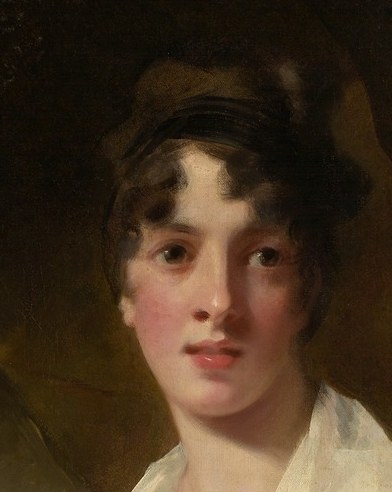
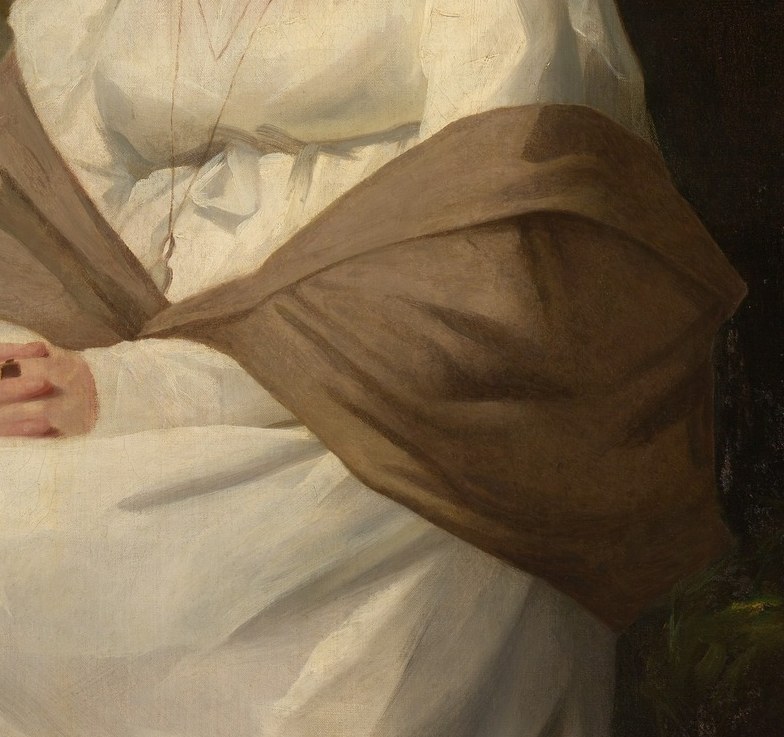
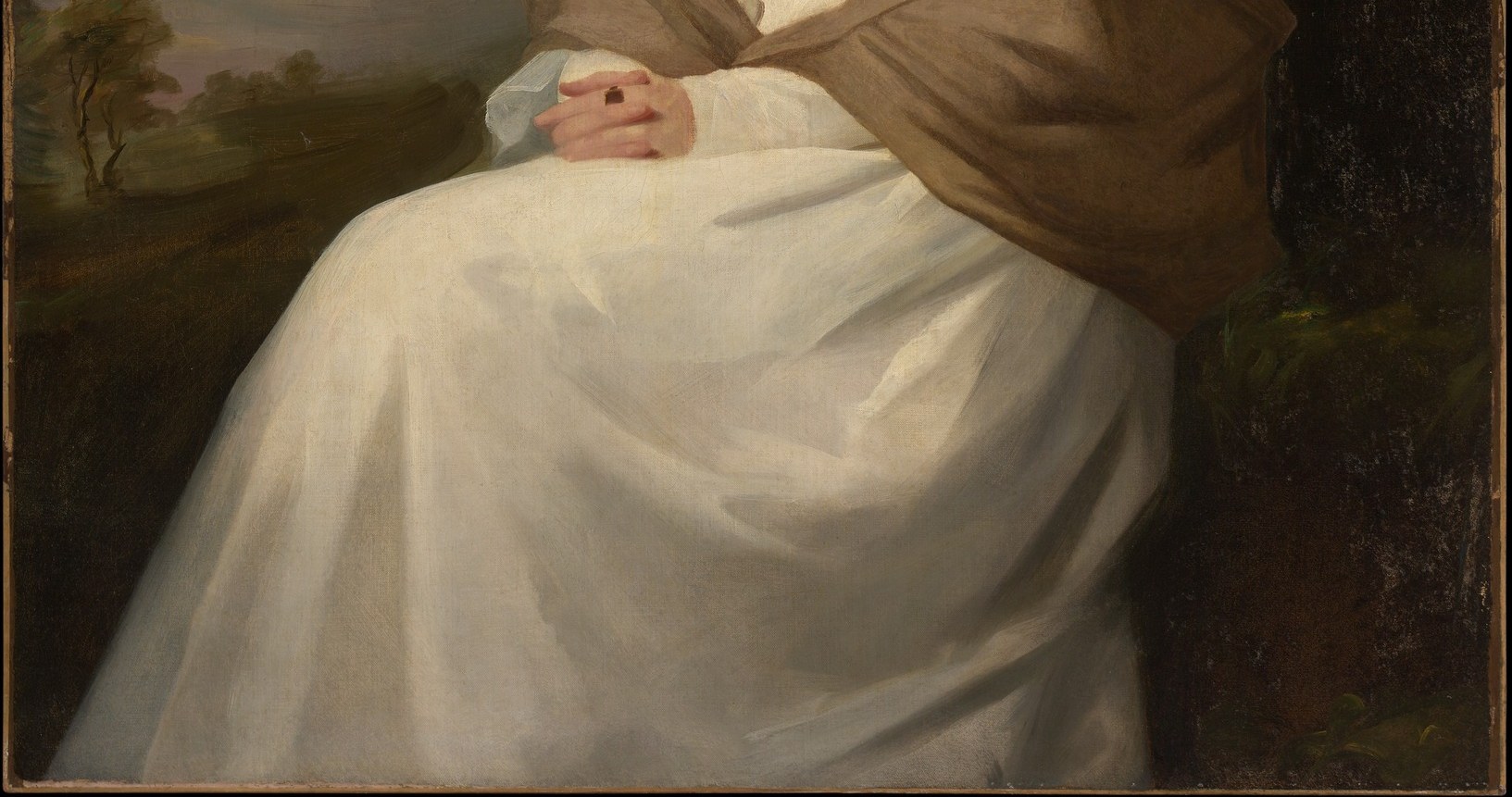
Henry Raeburn's 1799 portrait of Lady Maitland (Catherine Connor) at the Scottish National Gallery, captures a woman of quiet confidence. But look closely at her hands, and you'll find a subtle clue to her character.
The small, folded piece of paper she holds was a common symbol in 18th-century portraiture. It often suggested literacy, correspondence, or an engagement with intellectual pursuits. For a woman, this was a significant detail, indicating her education and social standing.
Raeburn, who would become Portrait Painter to King George IV in Scotland, was known for his ability to convey character through subtle means. This portrait, a prime example of the British Romantic movement, goes beyond a mere likeness, offering a glimpse into Lady Maitland's inner world and her place in society.
What other hidden meanings might be found in historical portraits?
Details
Transcript
Lady Maitland, painted in 1799, has a direct, confident gaze. Her calm, folded hands hold a piece of paper. At the time, paper often symbolized education or correspondence. A woman holding paper suggested she was literate and engaged. This small detail speaks to her intellect and social standing.