Madonna and Child by Bellini, Giovanni
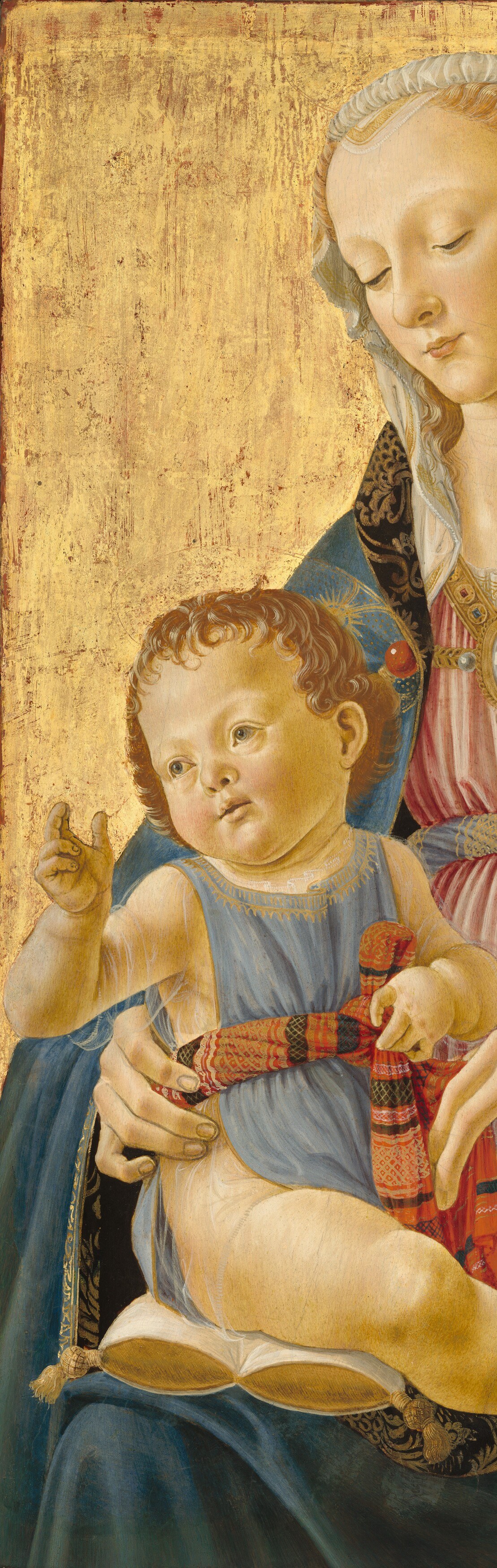
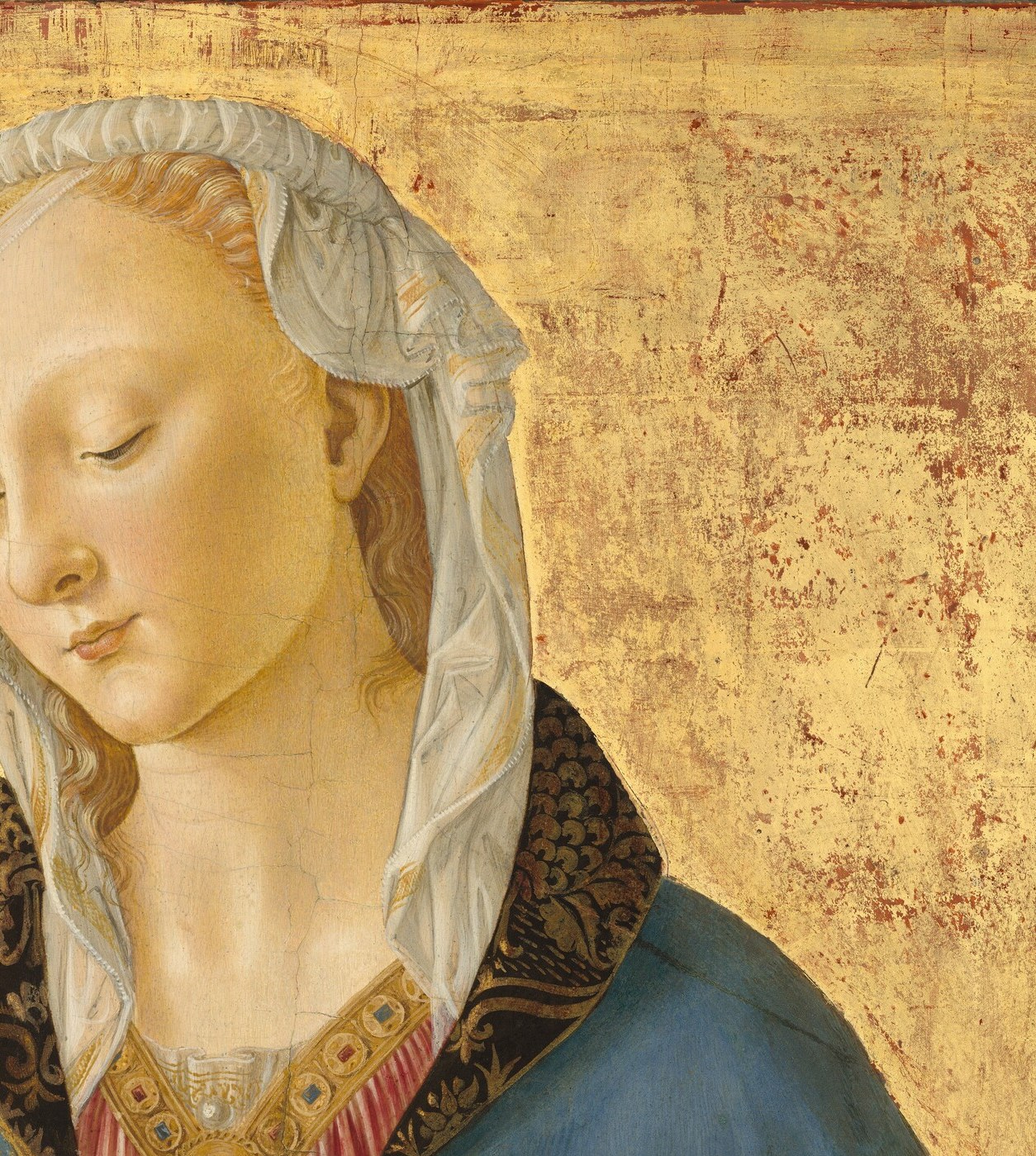
Giovanni Bellini's "Madonna and Child," painted around 1482, is a remarkable example of Renaissance art where sacred figures feel intimately human. This oil on panel painting, held at the National Gallery of Art, showcases Bellini's mastery in creating a profound sense of presence.
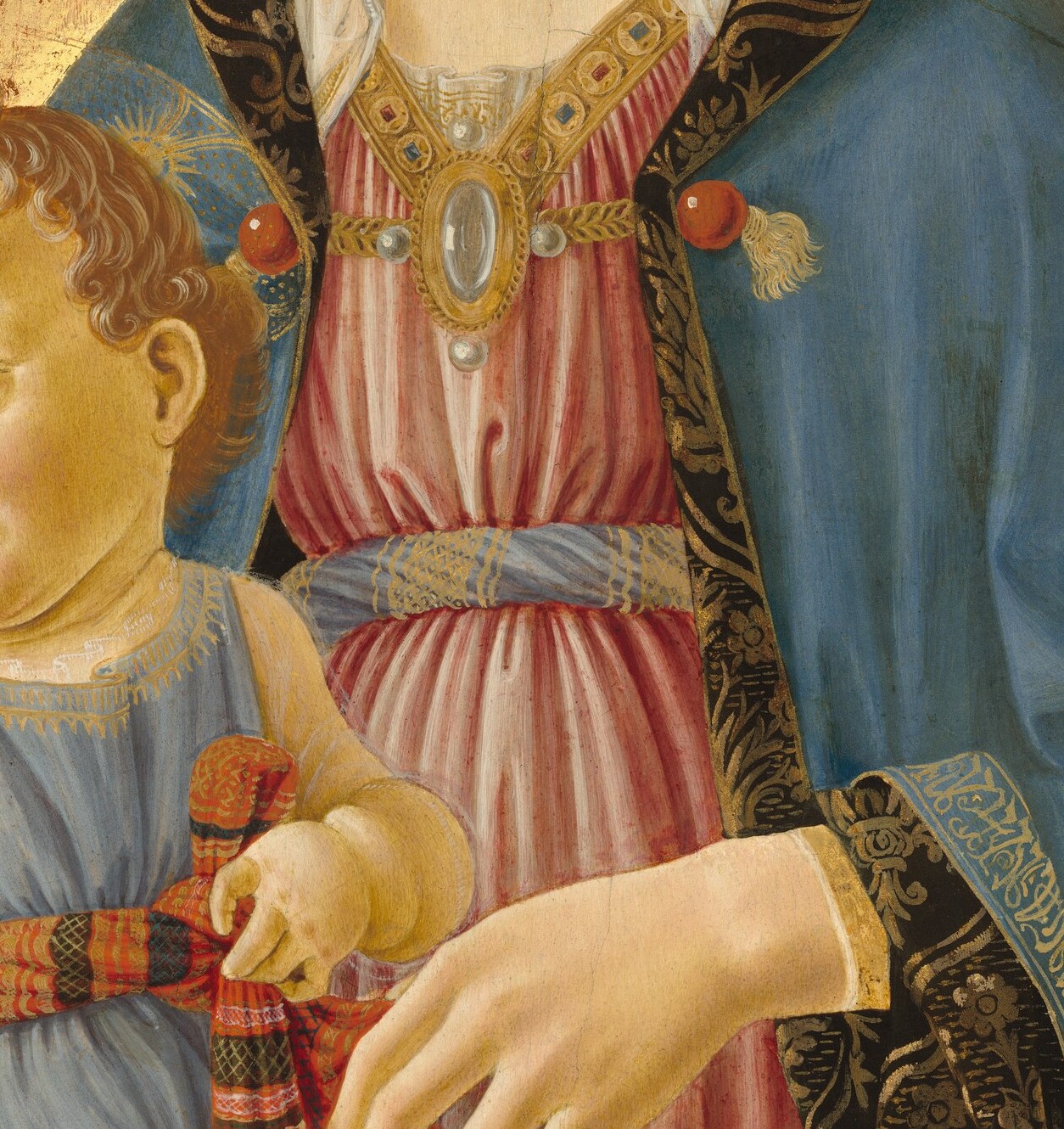
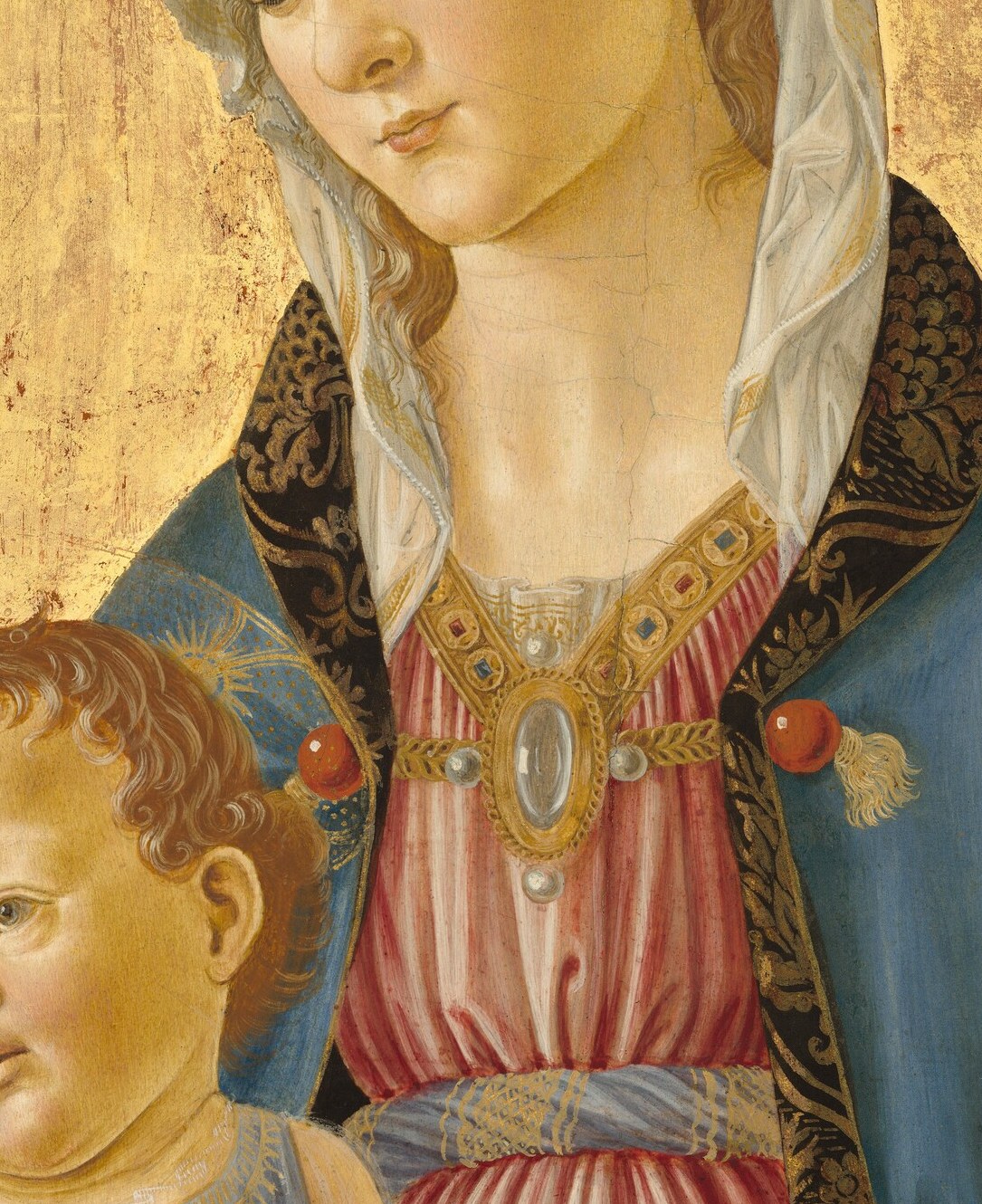
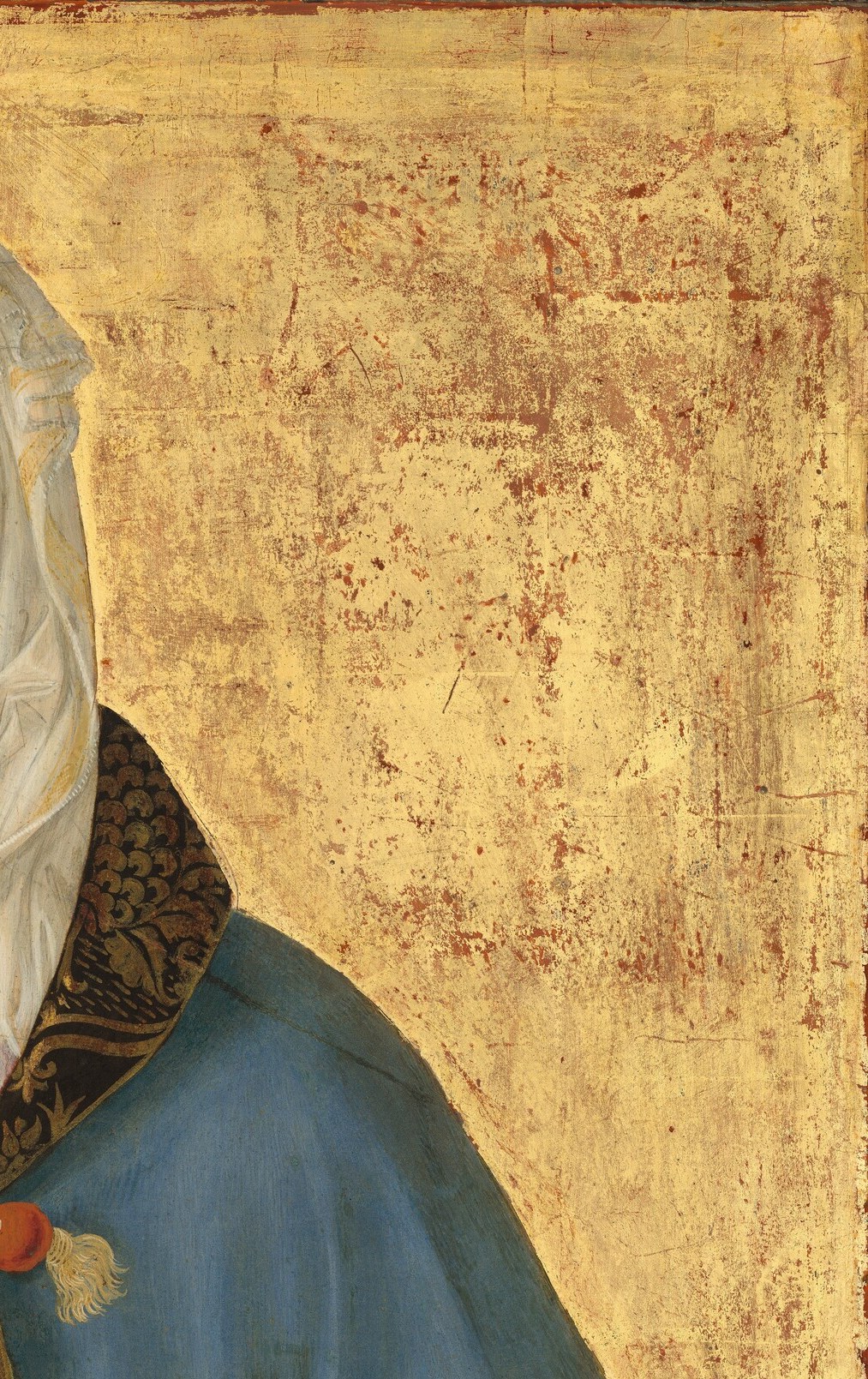
Notice the Virgin Mary's deep ultramarine blue mantle. This pigment, derived from the semi-precious stone lapis lazuli, was the most expensive color available to Renaissance artists. Its use was often contractually stipulated by patrons, particularly for depictions of the Virgin Mary, symbolizing her divine status and the painting's value.
Beyond its cost, ultramarine's rich saturation and the ability of oil glazes to enhance its depth allowed Bellini to achieve a luminous quality. This technique gives the figures a tangible, almost breathing quality, drawing viewers into a moment of tender connection. Bellini's innovation made religious subjects more relatable, moving away from rigid formality.
This painting is not just an image of devotion; it's also a testament to the materials, patronage, and technical advancements of its time. What other details in the painting make it feel alive to you?
Details
Transcript
This painter changed how Mary was shown, making her feel real. But look closely at her mantle: that deep, vibrant blue. It is ultramarine, made from lapis lazuli, a rare stone. During the Renaissance, this was the costliest pigment available. Patrons often specified its use in contracts, especially for Mary. Its rich color also showcased oil paint's superior depth and luminosity. Bellini used it to make the divine feel truly present.