Don Antonio Noriega by Goya, Francisco
Francisco Goya’s 1801 portrait of Don Antonio Noriega de Bada is a masterclass in the coded language of late-eighteenth-century Spanish portraiture. The painting hangs today in a private collection, a quiet survivor of a turbulent era that Goya himself navigated from inside the court.
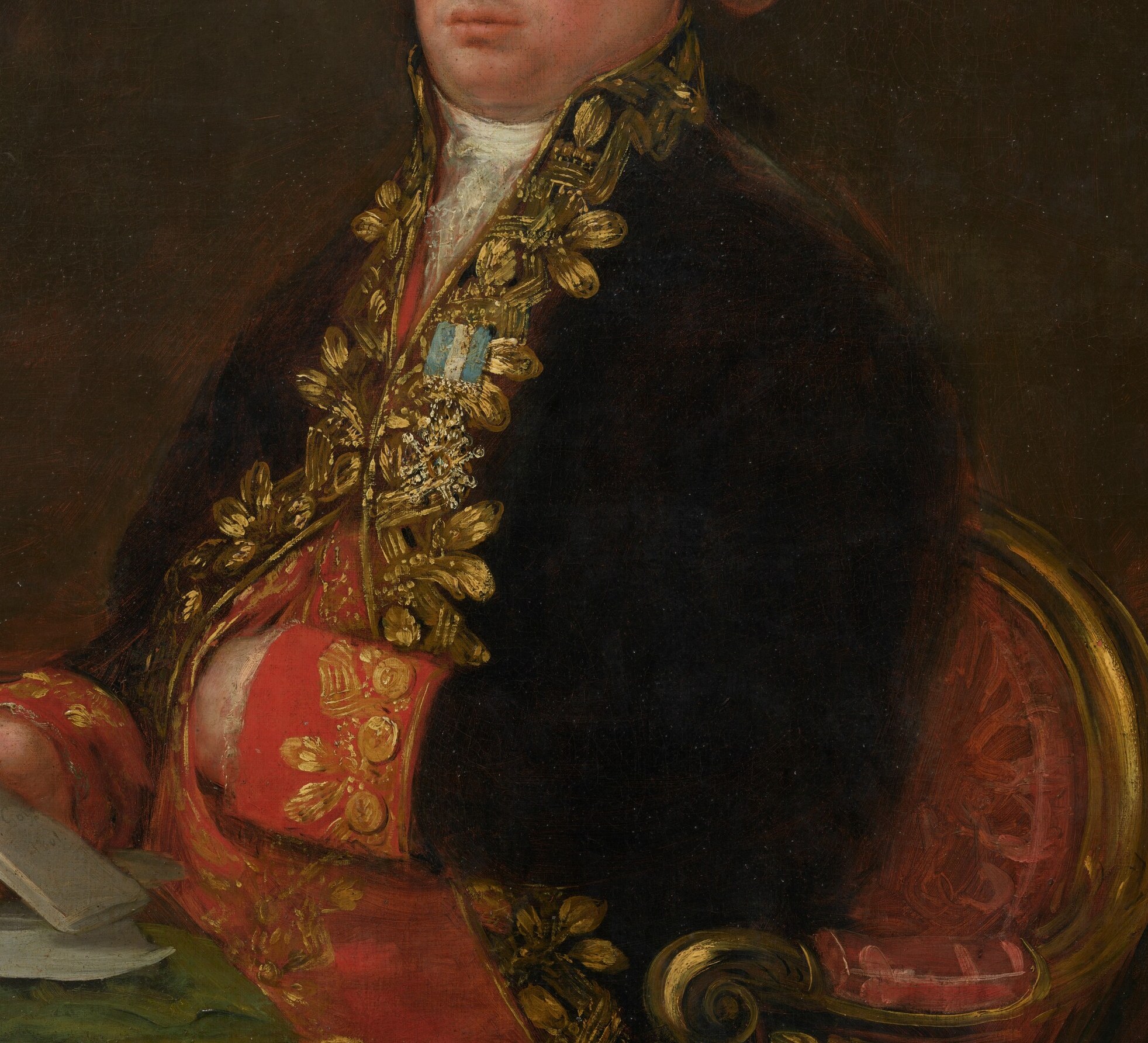
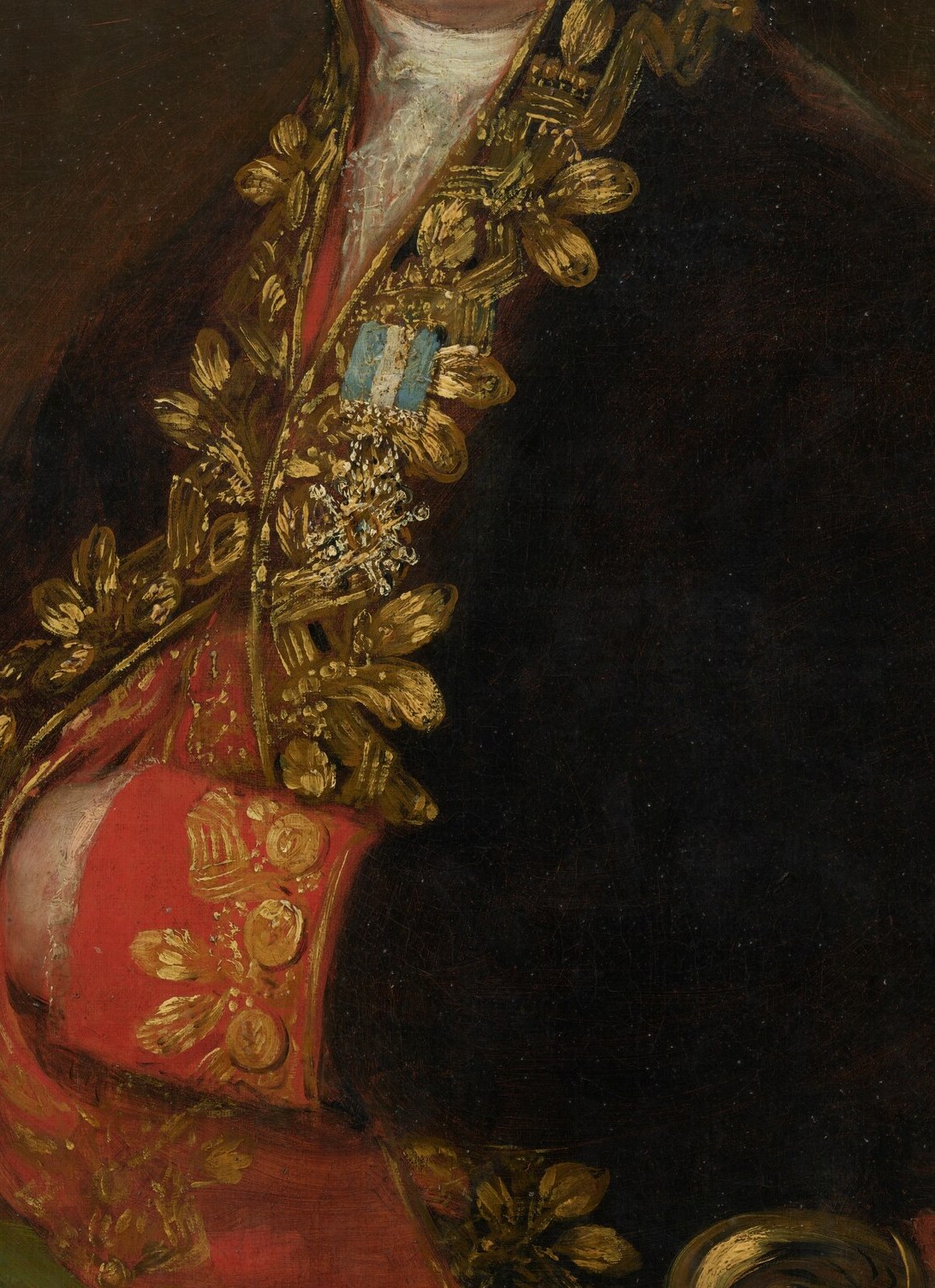
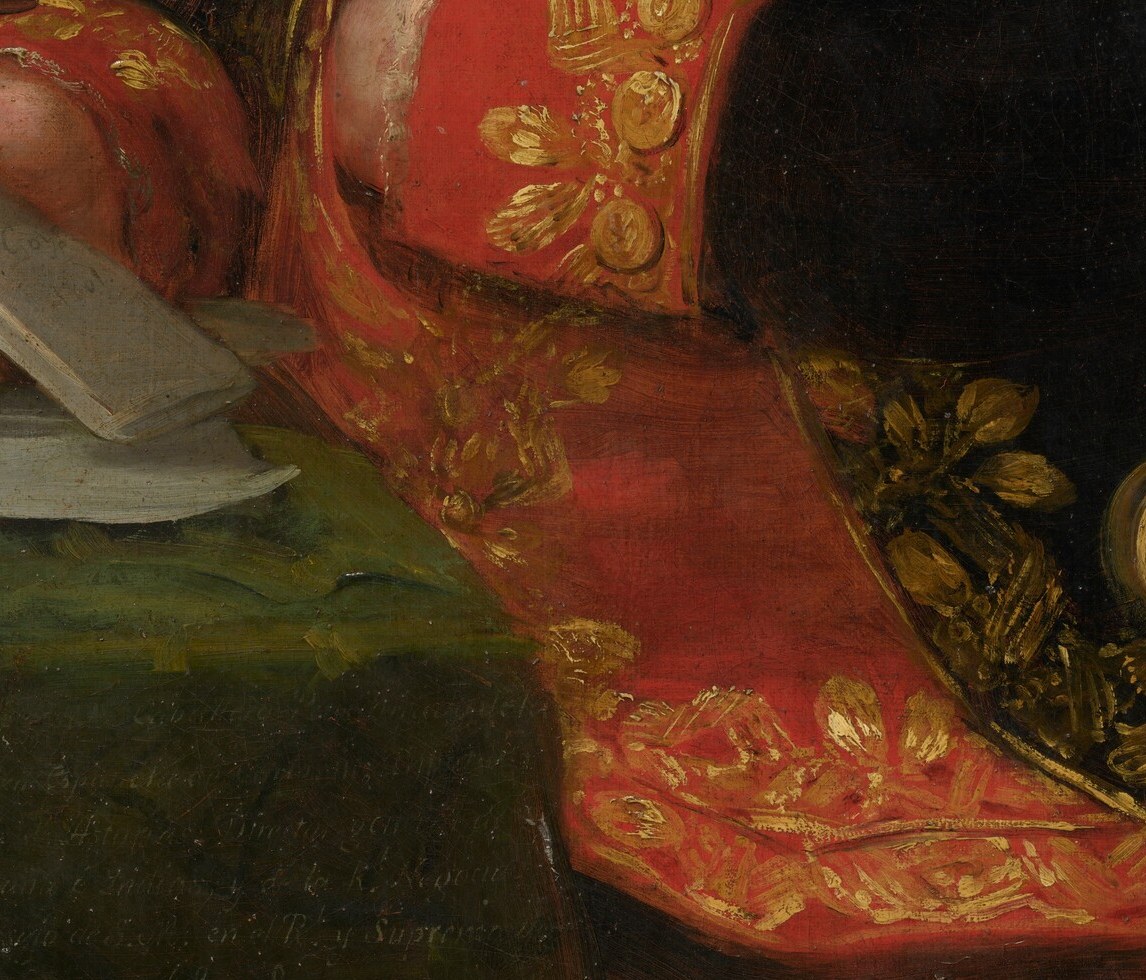
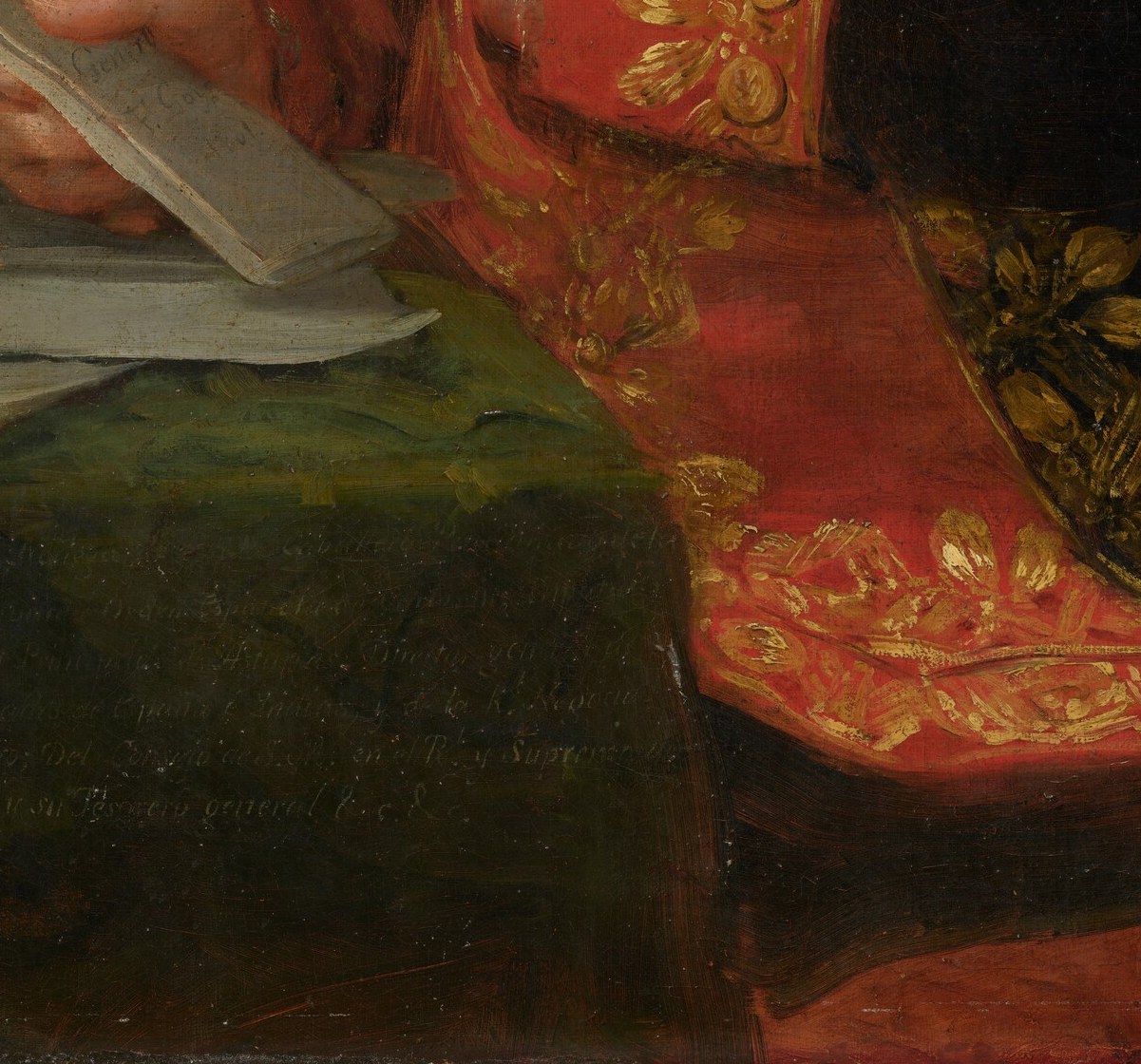
Look first at the scarlet coat. The heavy gold braid and double row of buttons down the chest are not simply decorative, they are a uniform of high office, identifying Noriega as a man of the Bourbon administrative state. Then notice the crisp sheet of paper in his right hand. Goya painted documents with a tactile precision that makes the paper feel stiff and real; it anchors Noriega’s identity as a bureaucrat, not a military man. The powdered wig, already anachronistic by 1801, signals a career built under an older order.
Goya became a court painter to the Spanish Crown in 1786, and this portrait belongs to the long arc of his official commissions. The sitter, Don Antonio Noriega de Bada, was a high-ranking treasury official, exactly the kind of man whose portrait would hang in a government chamber, his authority legible in every thread. Goya brought to the task his characteristic directness: the face is not flattered but seen, the gaze level and faintly guarded. Even within the stiff requirements of an official portrait, the painter records the man.
What you are looking at is a system of power made visible in wool, gold, and paper. Every detail is chosen. Nothing is accidental. What else in the painting feels like a deliberate signal?
Details
Transcript
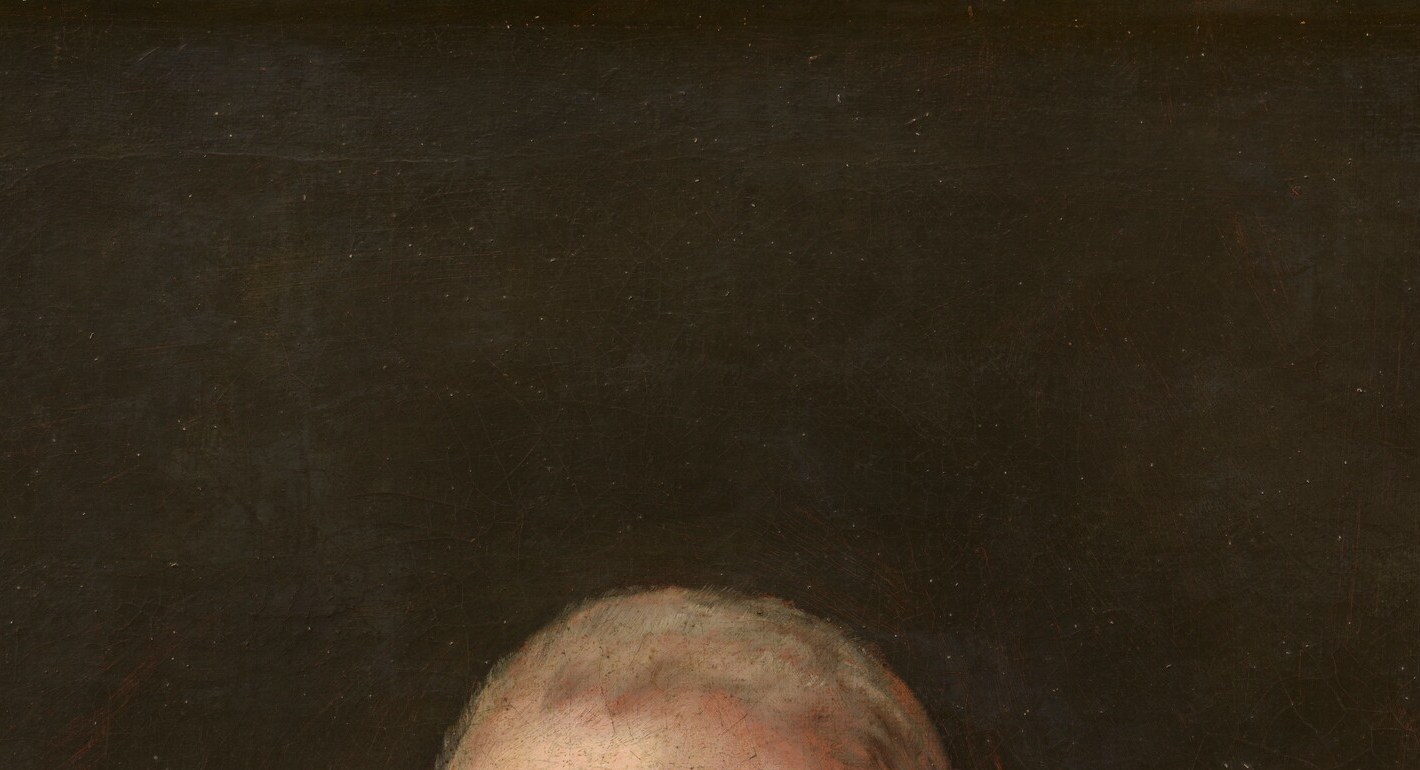
In 1801, power had a uniform. This scarlet coat with heavy gold braid was not fashion. It was a statement of office. The vertical line of gold buttons acts as the portrait's backbone. He holds a document. A bureaucrat, not a soldier. Goya painted the paper crisp enough to feel in the hand. The wig was already old-fashioned. He wears his past status. Every element announces: this man is the state.