Georgiana Augusta Frederica Elliott (1782–1813), Later Lady Charles Bentinck by Joshua Reynolds
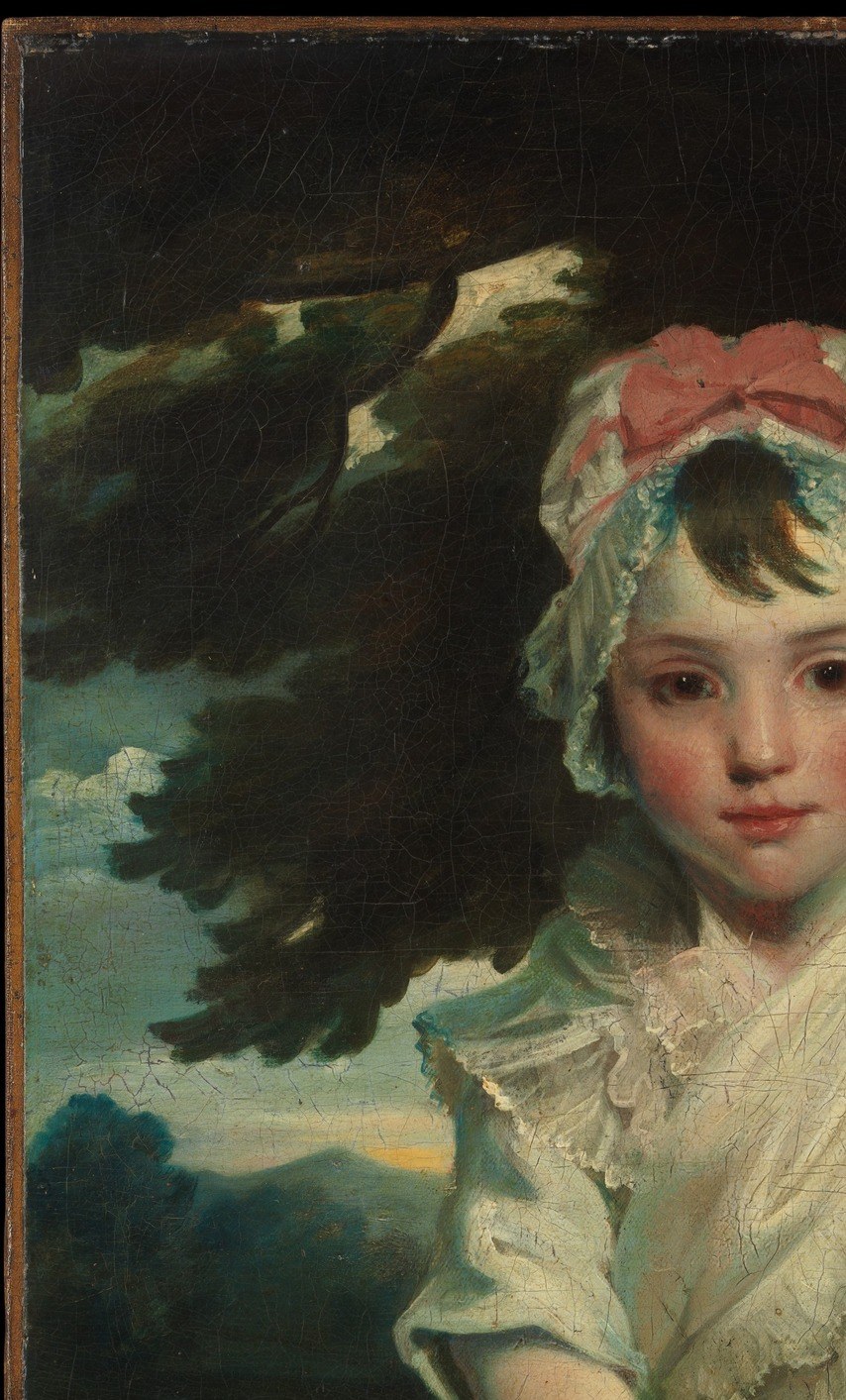
This is Joshua Reynolds's portrait of Georgiana Augusta Frederica Elliott, painted in 1792, a year before his death. It hangs today at The Metropolitan Museum of Art. Reynolds was the leading portraitist of 18th-century England, the first president of the Royal Academy, and a knight, but by the time of this painting, his sight was failing.
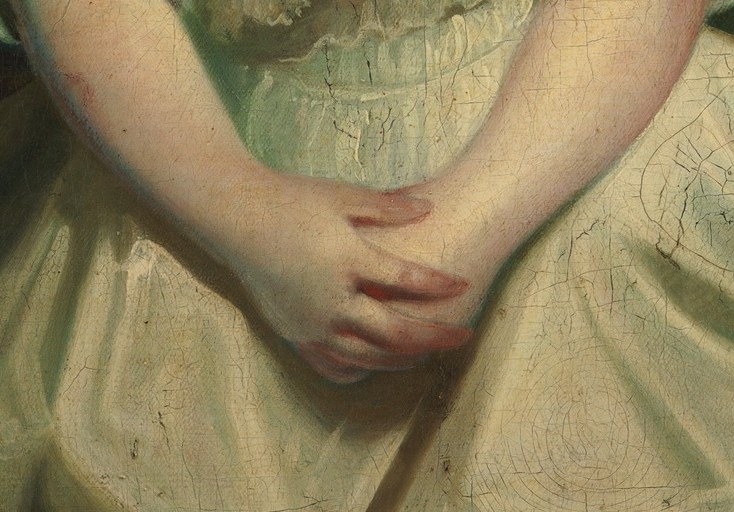
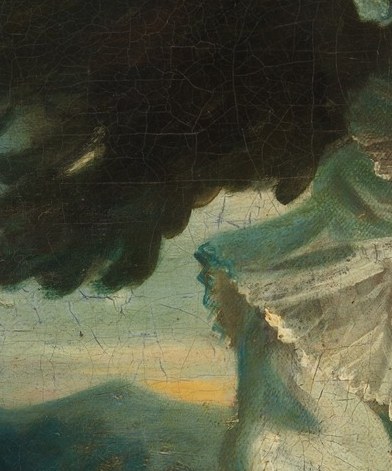
Look at how the white muslin dress glows against the dark, roiling sky. Reynolds borrowed that theatrical backdrop from the grandest history painting, applying it to a child’s portrait to push her softly luminous figure forward. The single loaded brushstroke of white on her left sleeve gives the fabric its volume, an extraordinary economy of means from a painter who had made thousands of portraits.
Georgiana’s story sat at the intersection of aristocracy and scandal. She was the daughter of Grace Dalrymple Elliott, a courtesan, and her legal father was the politician Charles William Wyndham. Rumors linked her biological father to the Prince of Wales. The portrait was commissioned for a society that knew all of this, and Reynolds responded by painting the most legible thing he could: an ideal of pure, untroubled childhood.
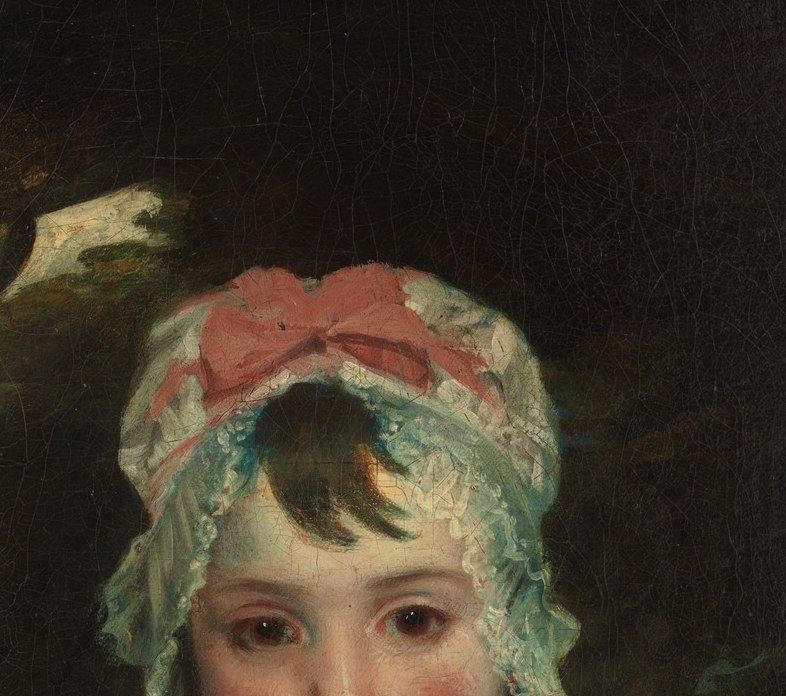
She grew up to become Lady Charles Bentinck. The girl in the mob cap with the pink ribbons had a full adult life ahead of her. But on this canvas, Reynolds made her still, a child dressed in light, permanently held in the calm before everything else happened.
Details
Transcript
1792. London's most famous painter is losing his sight. Joshua Reynolds has one year left. He still needs to paint this girl. She wears a mob cap trimmed with pink ribbon rosettes. Look at her hands, clasped at the front, the posture of a well-bred child. Reynolds has made her white dress a surface for catching light. He pushes her forward with a dark, stormy sky, borrowed from history painting. Her father commissioned this. Her mother was a royal mistress. The downcast eyes are not shyness. They are a picturing of innocence itself.