The Coach of Mangkoe Nagoro IV by Pieter Alardus Haaxman
Pieter Alardus Haaxman's 1870 painting, "The Coach of Mangkoe Nagoro IV," at the Rijksmuseum, captures the ceremonial grandeur of Javanese royalty.
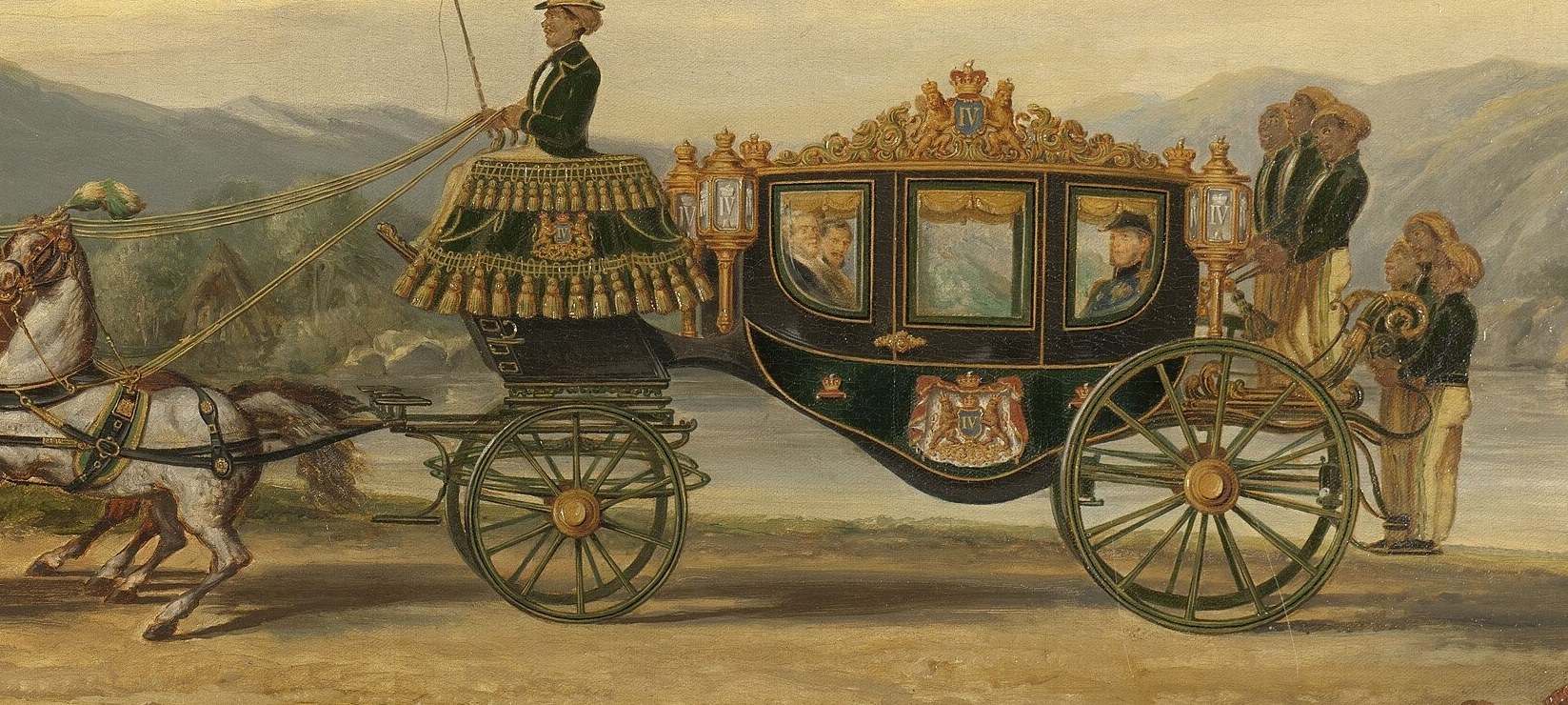
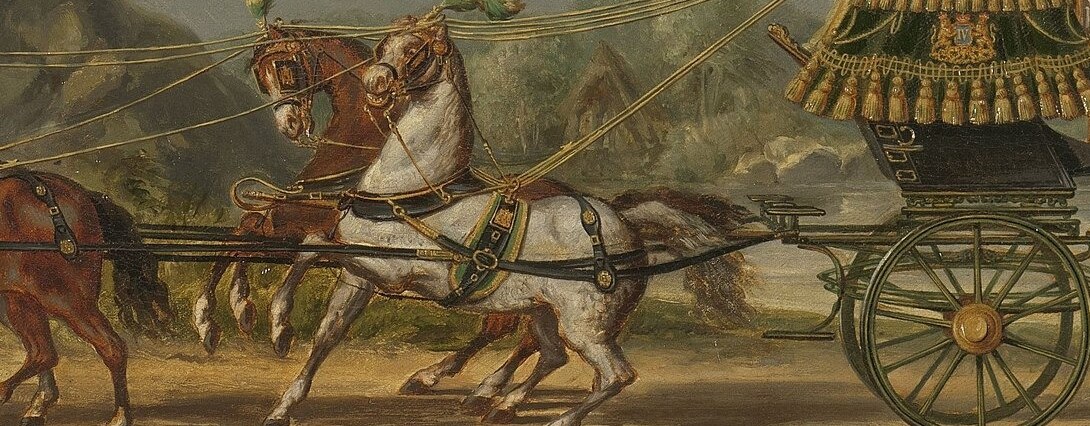
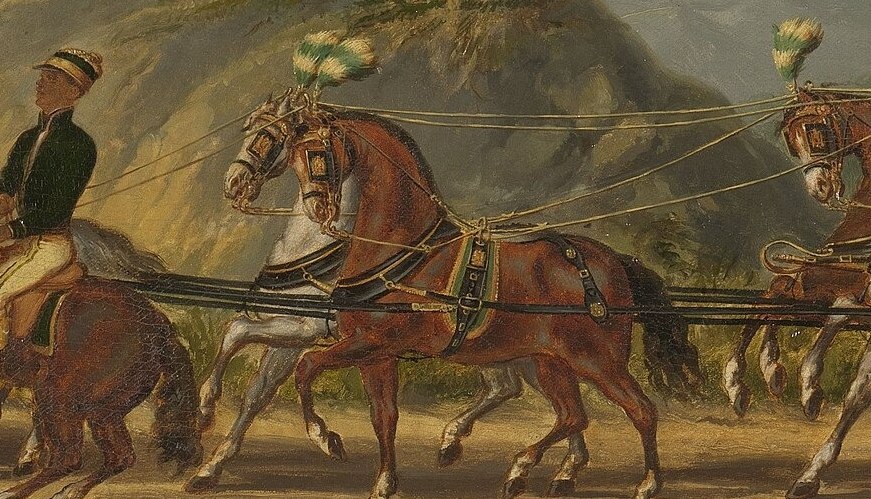
The central focus is the ornate Golden Coach of Surakarta, belonging to Mangkunegara IV. Every detail, from the gold leaf ornamentation to the elaborate horse harnesses and the driver's formal attire, speaks to the high status and ceremonial significance of this procession. Take a moment to observe the precision in the detailed leatherwork and metal fittings of the horse's equipment.
Created in 1870, the painting reflects European fascination with the Dutch East Indies during the late 19th century. It served as a visual record of Javanese regal transport, bringing a glimpse of this distant culture to a Western audience.
The painting offers a fascinating window into the material culture and ceremonial life of Javanese court society. What details surprise you most?
Details
Transcript
This isn't just a coach, it's a symbol of power. It's Mangkunegara IV's Golden Coach, painted in 1870. The elaborate gold leaf and dark lacquer announce royal status. His official driver, in ceremonial attire, maintains dignity. Even the horses wear ornate, detailed harnesses for the procession. This painting captured Javanese royal transport for a Western audience.