Madonna and Child by Ghirlandaio, Domenico
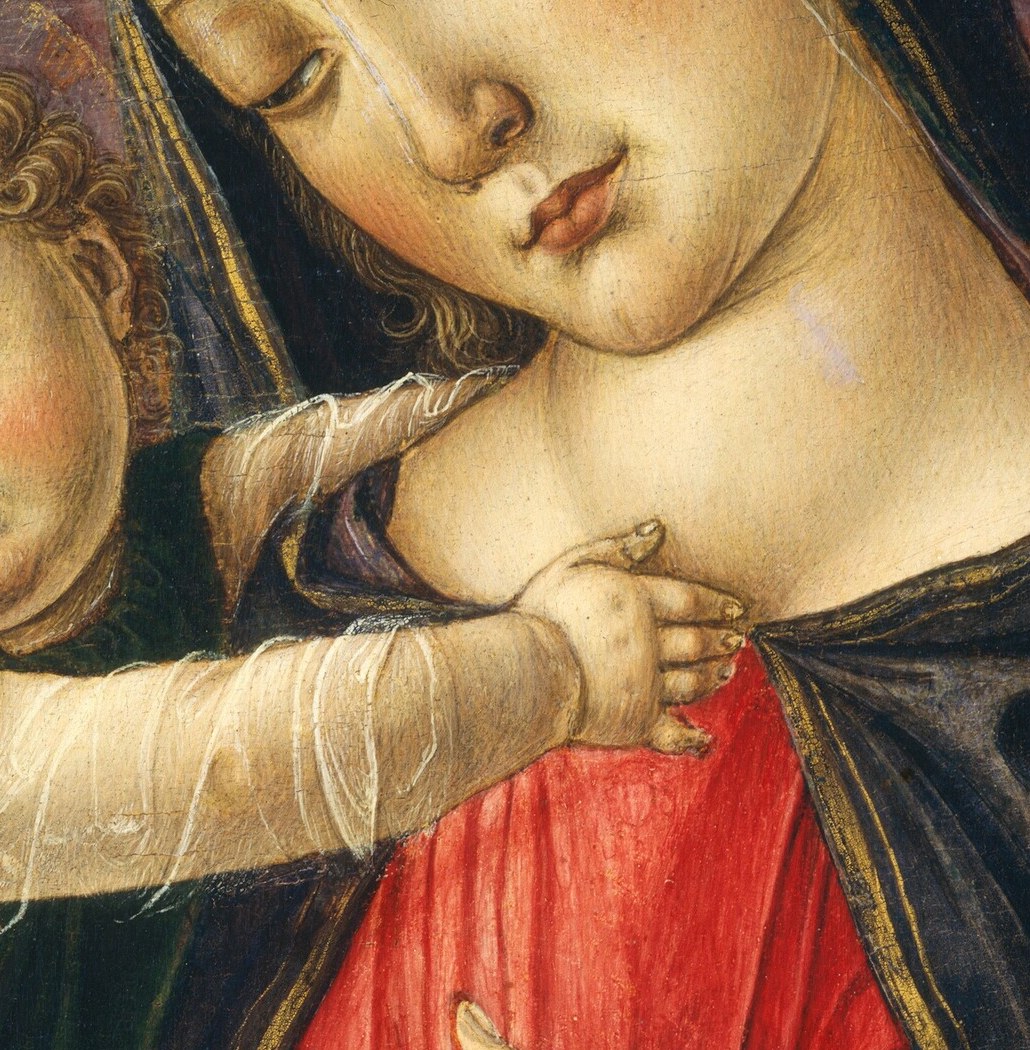
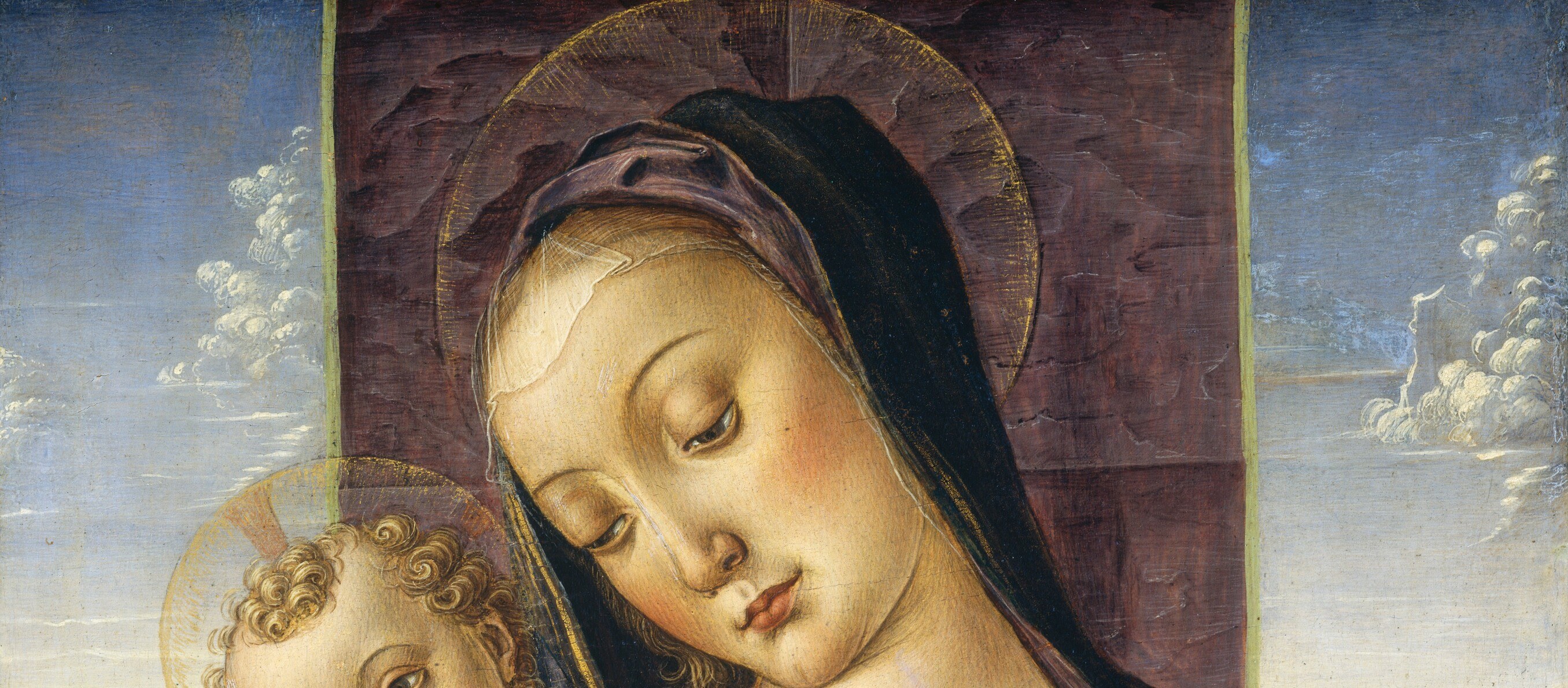
Domenico Ghirlandaio's Madonna and Child, painted around 1470-1475, is a masterful example of Florentine Renaissance art, now housed in the National Gallery of Art. Ghirlandaio, a prominent artist who even trained Michelangelo, showcased his exceptional skill in this tempera on panel work.
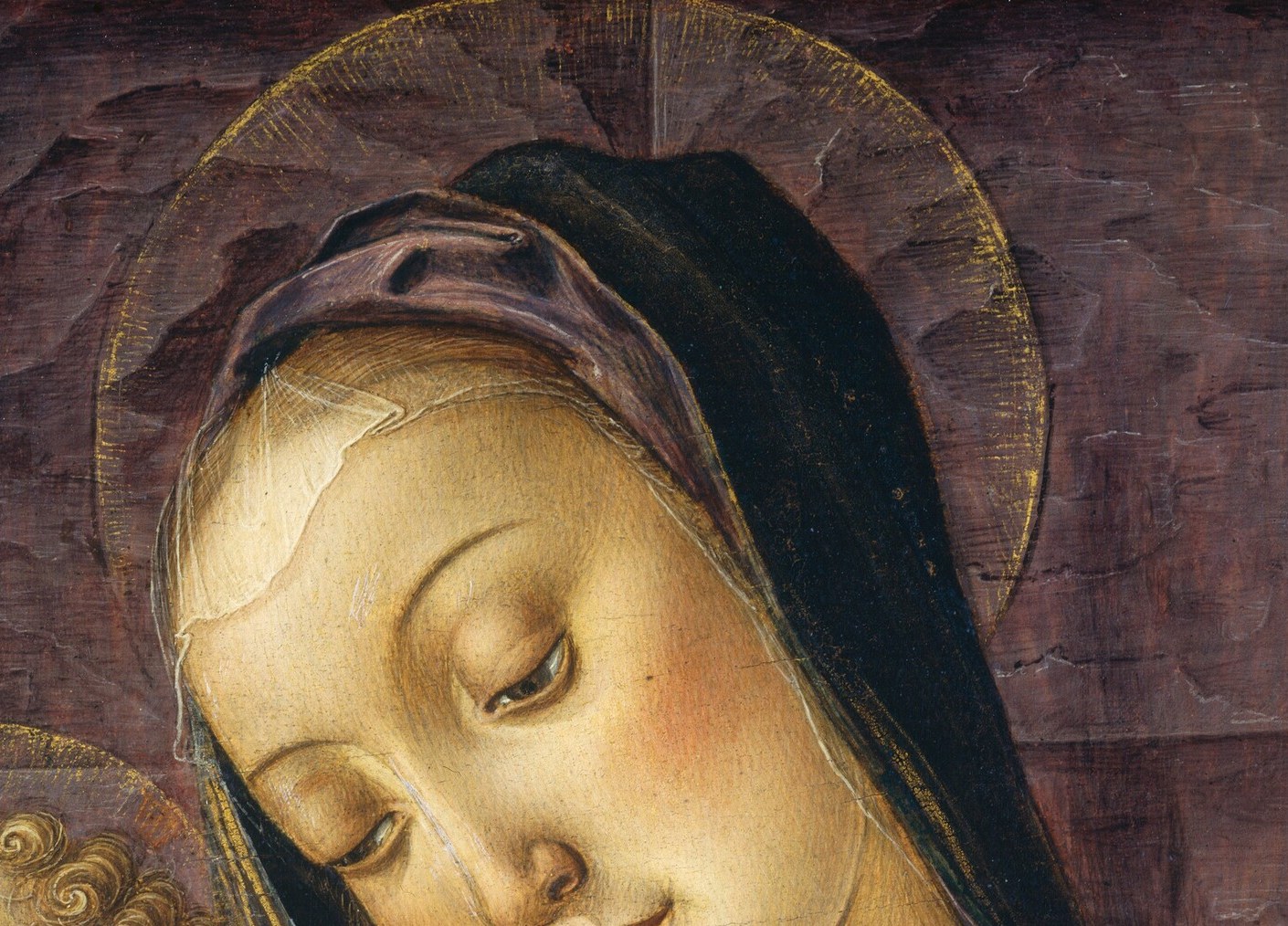
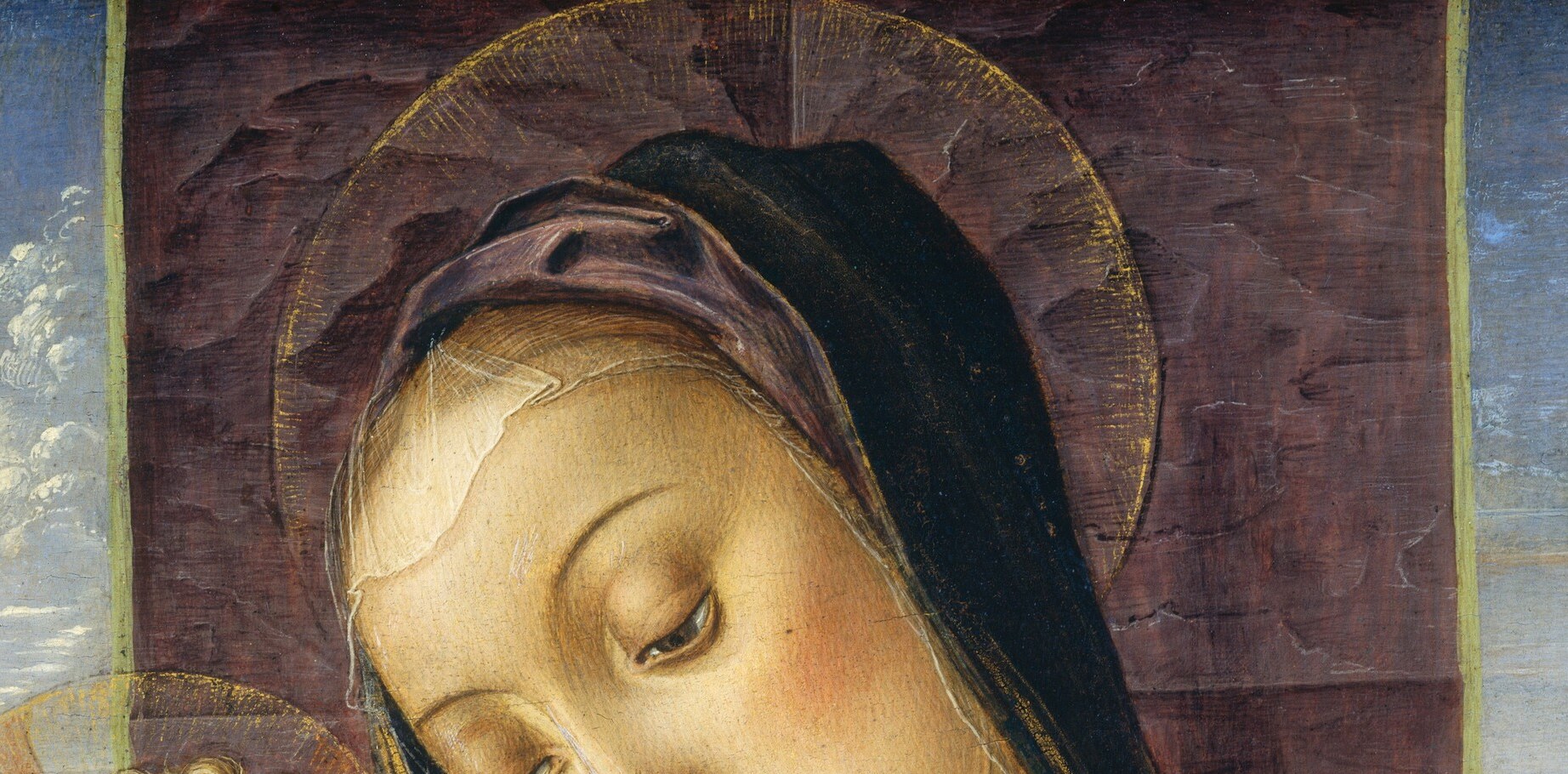
Look closely at the Virgin's veil; its delicate translucency in tempera paint was an incredible technical achievement for the period. Such effects were notoriously difficult to create without the glazing techniques common in oil painting.
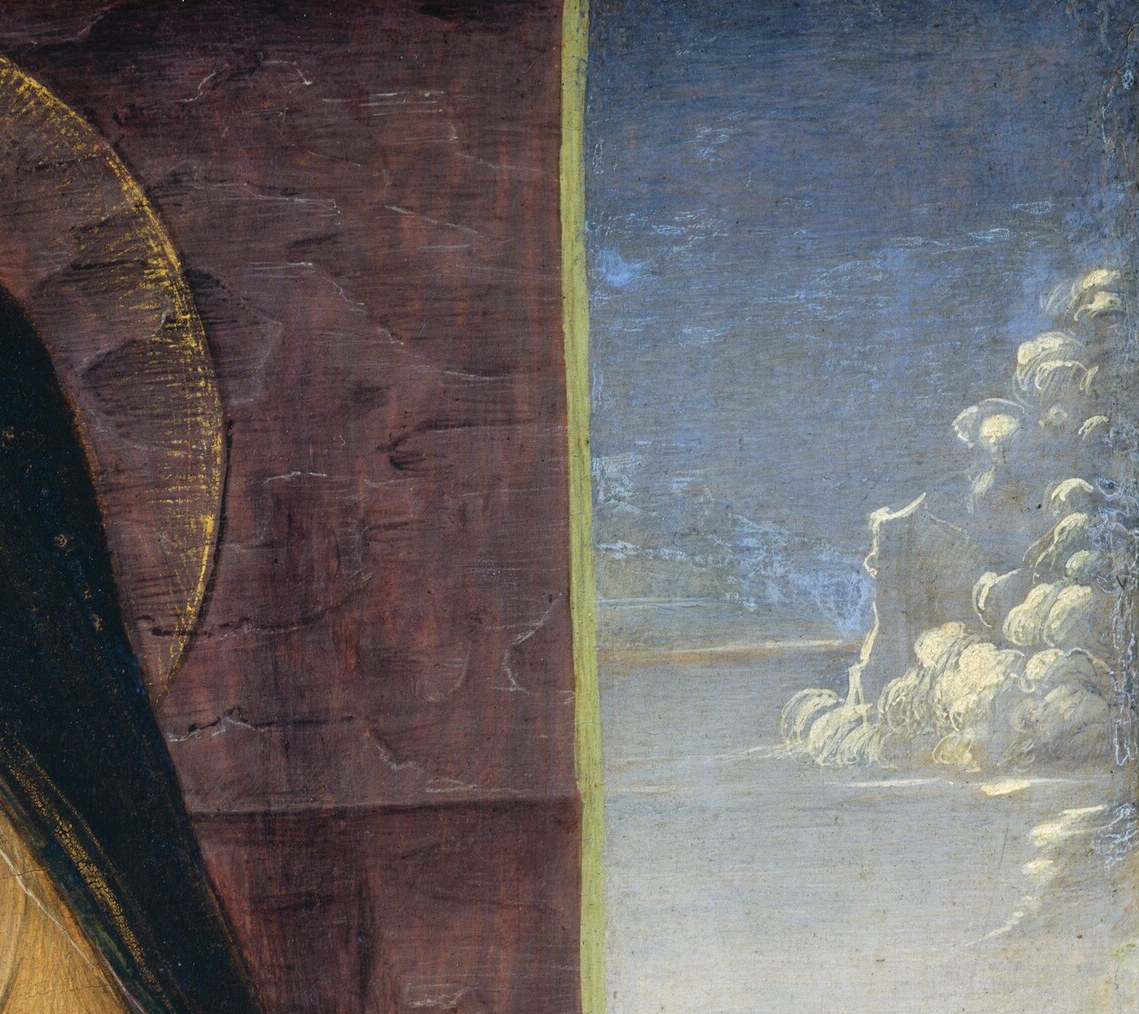
This painting also carries a fascinating conservation history. The visible craquelure, particularly in the upper right, reveals the age of the panel and the complex process of transferring the artwork from its original wood support to hardboard. This delicate procedure saved the painting for future generations, allowing us to appreciate Ghirlandaio's artistry today.
The work offers a glimpse into the technical prowess and conservation efforts that preserve art history. What details do you notice first?
Details
Transcript
This painting is by Domenico Ghirlandaio, c. 1470. He was a leading Florentine painter, even training Michelangelo. Notice her fine, translucent veil. This was a technical feat. Achieving this translucency in tempera paint was incredibly difficult. This panel also has a hidden conservation story. The cracks show where it was moved from wood to hardboard. A complex process, saving the image for future generations.