Lake George by John Frederick Kensett
View the artwork: Lake George →
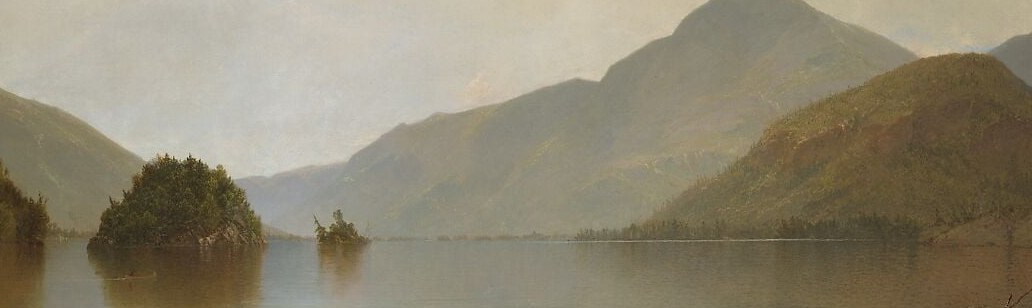
John Frederick Kensett painted "Lake George" in 1869, and it lives at the Metropolitan Museum of Art. A founder of the Met himself, Kensett gave them a painting that is as much an act of deliberate erasure as it is a landscape.
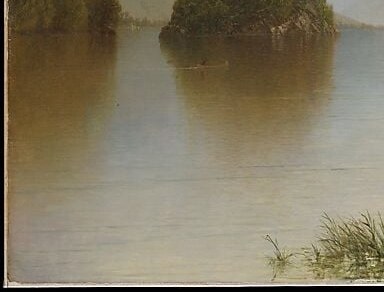
The first thing to notice is what is not here. By 1869, Lake George was a booming resort. Steamboats crisscrossed the water, grand hotels crowded the shore, and thousands of tourists arrived every summer. Kensett removed every trace of them. No docks, no smokestacks, no people. The lake is prelapsarian, silent, mirror-still.
Look for the one human mark he allowed: a tiny sailboat, nearly invisible on the vast water. It does not diminish the solitude. It measures it. A steamer would have advertised industry; a sailboat whispers that someone is out there, alone in the quiet, exactly as Kensett wanted you to be.
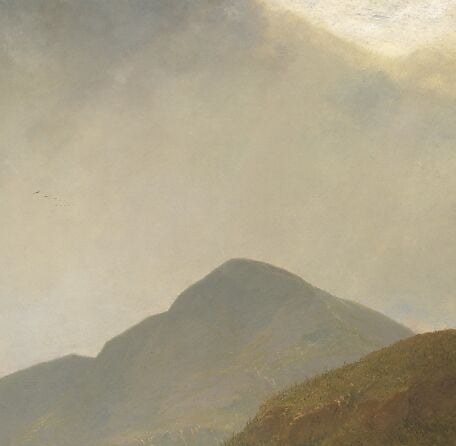
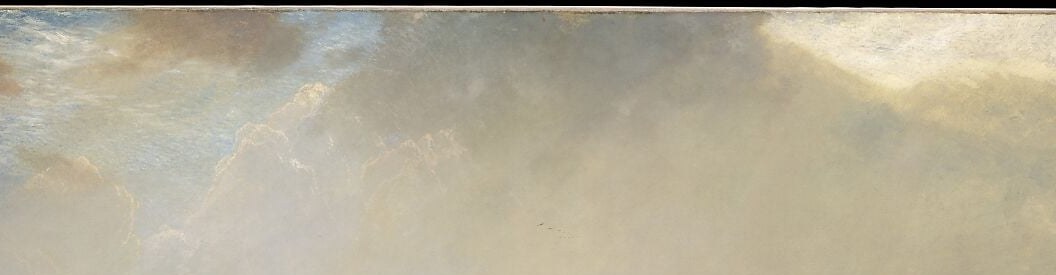
Kensett was a Luminist, which means light was his real subject. The sky breathes a pale gold down into the water until you can barely tell where air ends and reflection begins. Black Mountain in the distance seems to emit light rather than block it. The whole painting glows from within.
He was painting a memory. A version of the Adirondacks that was already slipping away. By erasing the present, he preserved something truer to him than fact: the stillness that had been there first.
#arthistory #hudsonriverschool #luminism
Details
Transcript
Lake George, 1869. The tourist steamers ran all summer. Hotels lined the shore. Thousands came. Kensett painted none of it. No docks, no smoke, no crowds. One boat. So small you almost miss it. This is what the lake looked like before. And what he wanted it to be.