Portrait of a Young Man by Christian Friedrich Zincke
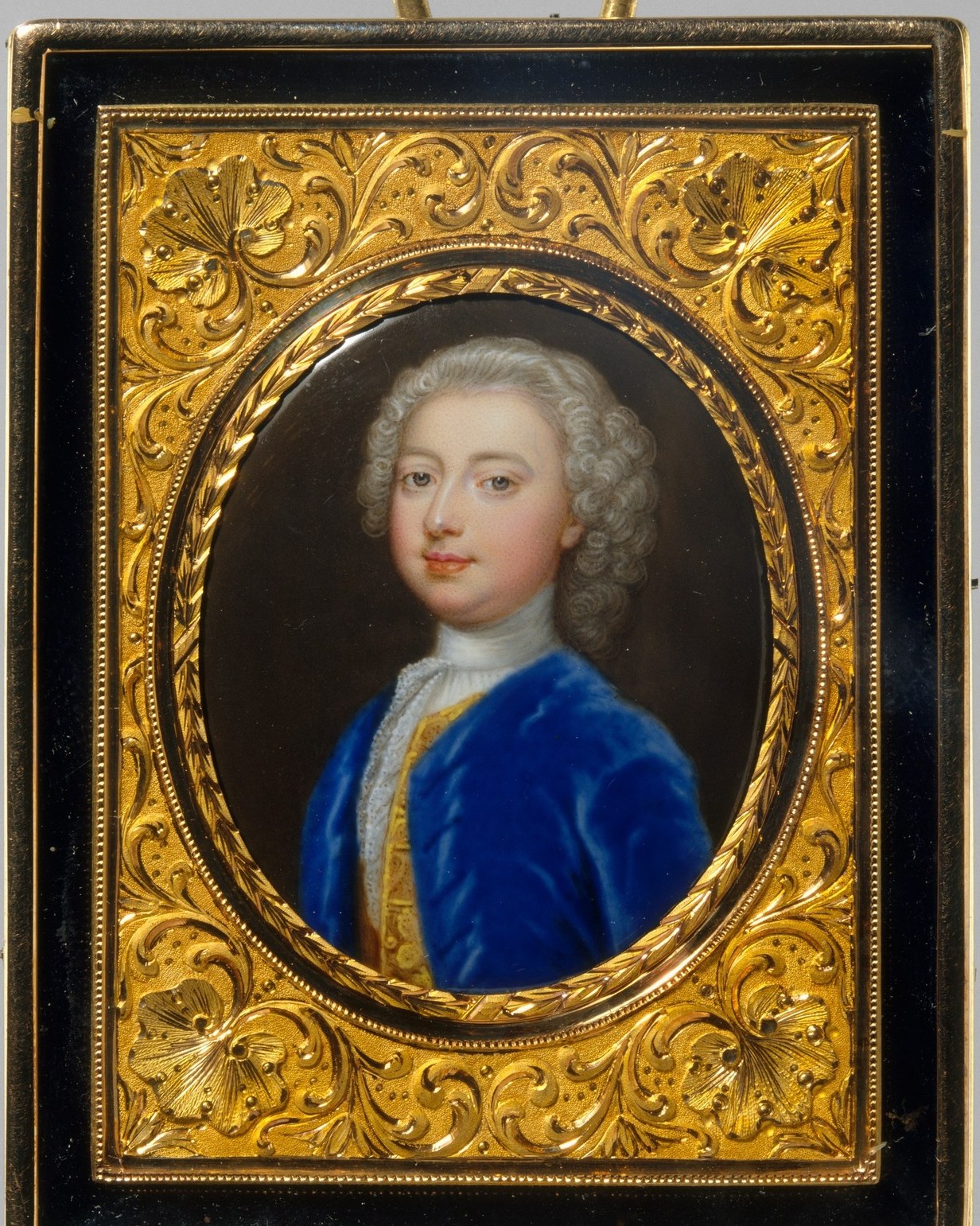
Christian Friedrich Zincke's "Portrait of a Young Man," painted in 1735, is more than just a likeness; it's a finely crafted statement of status and personal identity from the Rococo period. This miniature, now at The Metropolitan Museum of Art, showcases the meticulous detail for which Zincke was renowned.
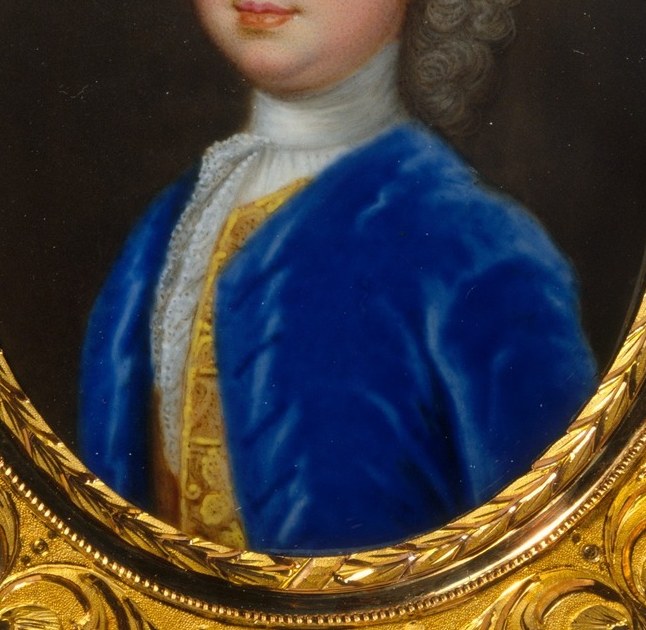
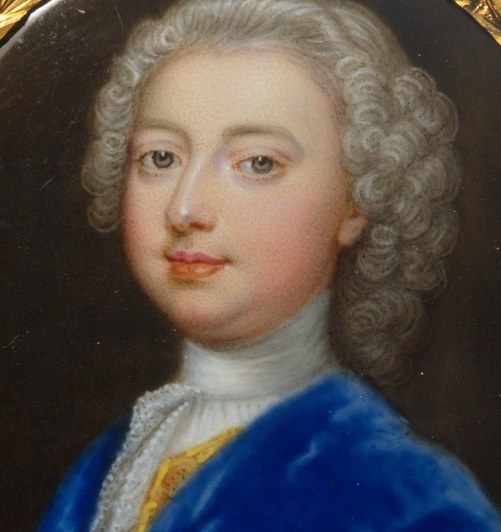
Observe the young man's rich blue velvet jacket, adorned with exquisite gold embroidery. These elements, along with his carefully styled light hair and ruffled collar, were all visual cues communicating his wealth and position in 18th-century society.
Zincke, a German painter active in England, specialized in these intimate, portable portraits. The ornate gold frame, with its dark enamel border and hanging loop, further emphasizes its value as a personal adornment, meant to be cherished and displayed.
Through these carefully chosen details, the painting invites us to decode the subtle language of fashion and artistry of the era. What do you think his direct gaze conveys?
Details
Transcript
In 1735, this miniature captured an elegant young man. His blue velvet jacket, trimmed with gold, shows his status. The fine gold embroidery was a mark of wealth. Miniatures like this were intimate, portable objects of display. The ornate frame itself speaks of luxury and artistic skill. Every detail communicated who this young man was.