André François Alloys de Theys d'Herculais (1692–1779) by Nicolas de Largillière
This striking portrait, "André François Alloys de Theys d'Herculais" by Nicolas de Largillière, painted in 1727, offers a window into the aristocratic world of Rococo France. Now held at The Metropolitan Museum of Art, it captures not just a likeness, but an era.
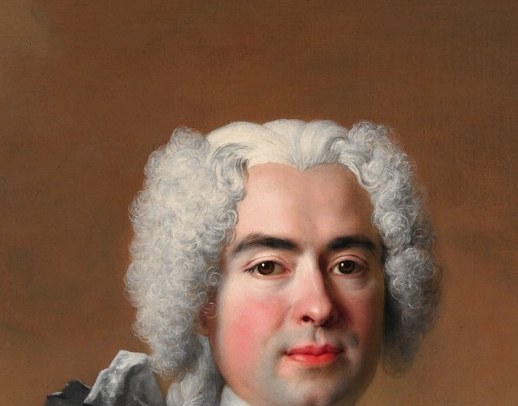
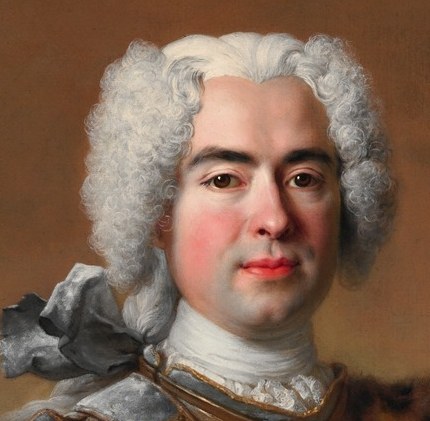
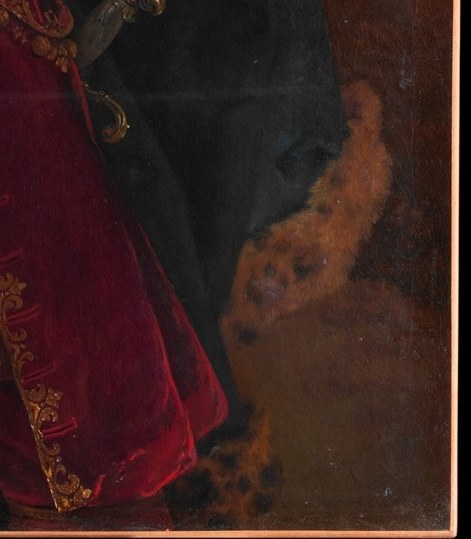
Look closely at the subject's elaborate powdered wig, a hallmark of 18th-century fashion that spoke volumes about one's social standing. The luxurious red velvet coat and fur-trimmed cloak further emphasize his wealth and refined taste. Even the subtle details, like the delicate lace cravat and the gleaming sword hilt, contribute to this image of power.
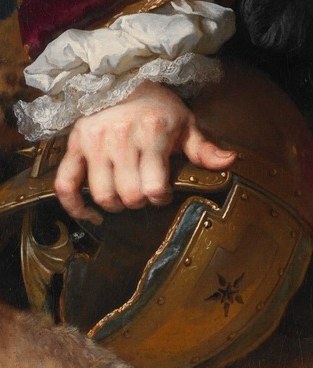
The subject's hand resting on a decorative helmet, coupled with his ornate breastplate, points to a background of military prowess or noble lineage. Largillière, a prominent French painter and director of the Académie de Peinture et de Sculpture, used dramatic lighting to highlight these elements, making the figure emerge from the stormy background. It’s a masterful display of chiaroscuro, creating depth and texture in the rich fabrics.
This painting is more than just a portrait; it's a carefully constructed presentation of status and identity in a specific historical moment. What other details catch your eye?
Details
Transcript
This man posed in 1727, a powerful figure in Rococo France. His powdered wig, in the fashion of the time, signals high status. X-rays confirm the painter, Largillière, worked on this face carefully. His left hand holds a helmet, a symbol of military or noble rank. The intricate design of the helmet hints at his achievements. Even the leopard skin rug adds to his dramatic, opulent presence.