Portrait of a Young Man in Red by Bellini, Giovanni
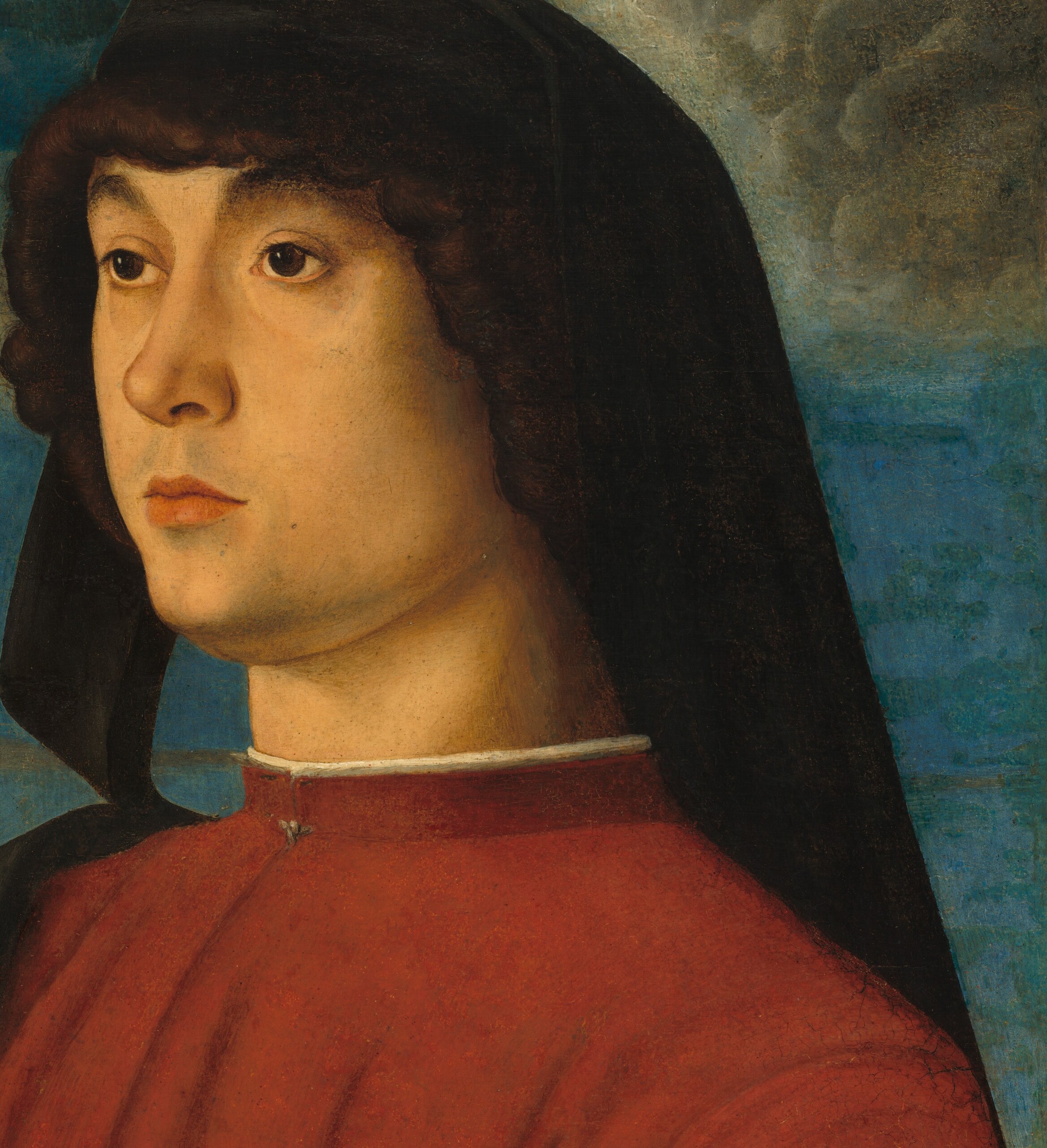
Giovanni Bellini's "Portrait of a Young Man in Red," painted around 1480, is one of the Italian Renaissance master's most celebrated portraits, yet the identity of its sitter remains a mystery. Housed at the National Gallery of Art in Washington, D.C., this work exemplifies Bellini's skill in capturing a compelling individual presence.
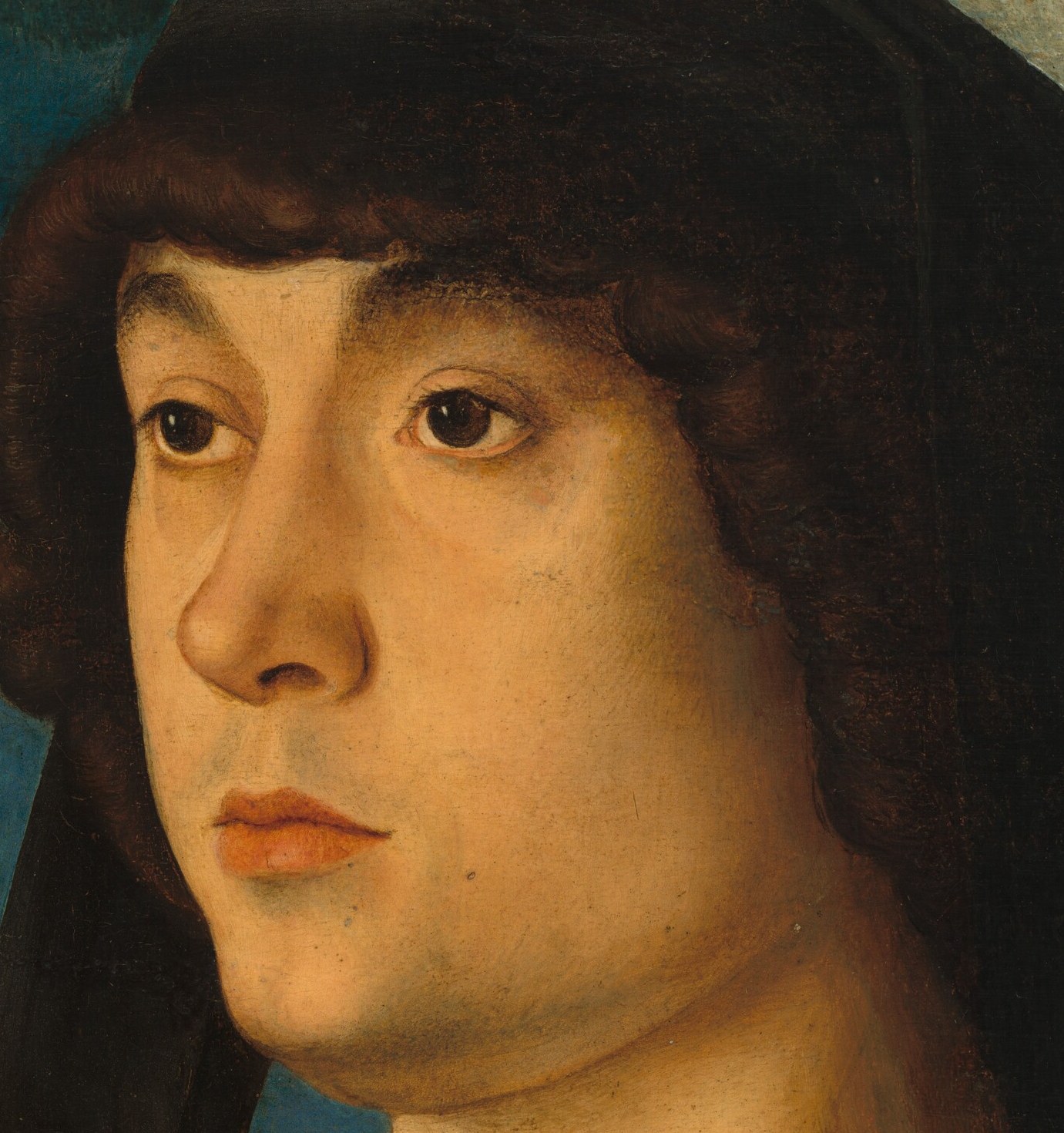
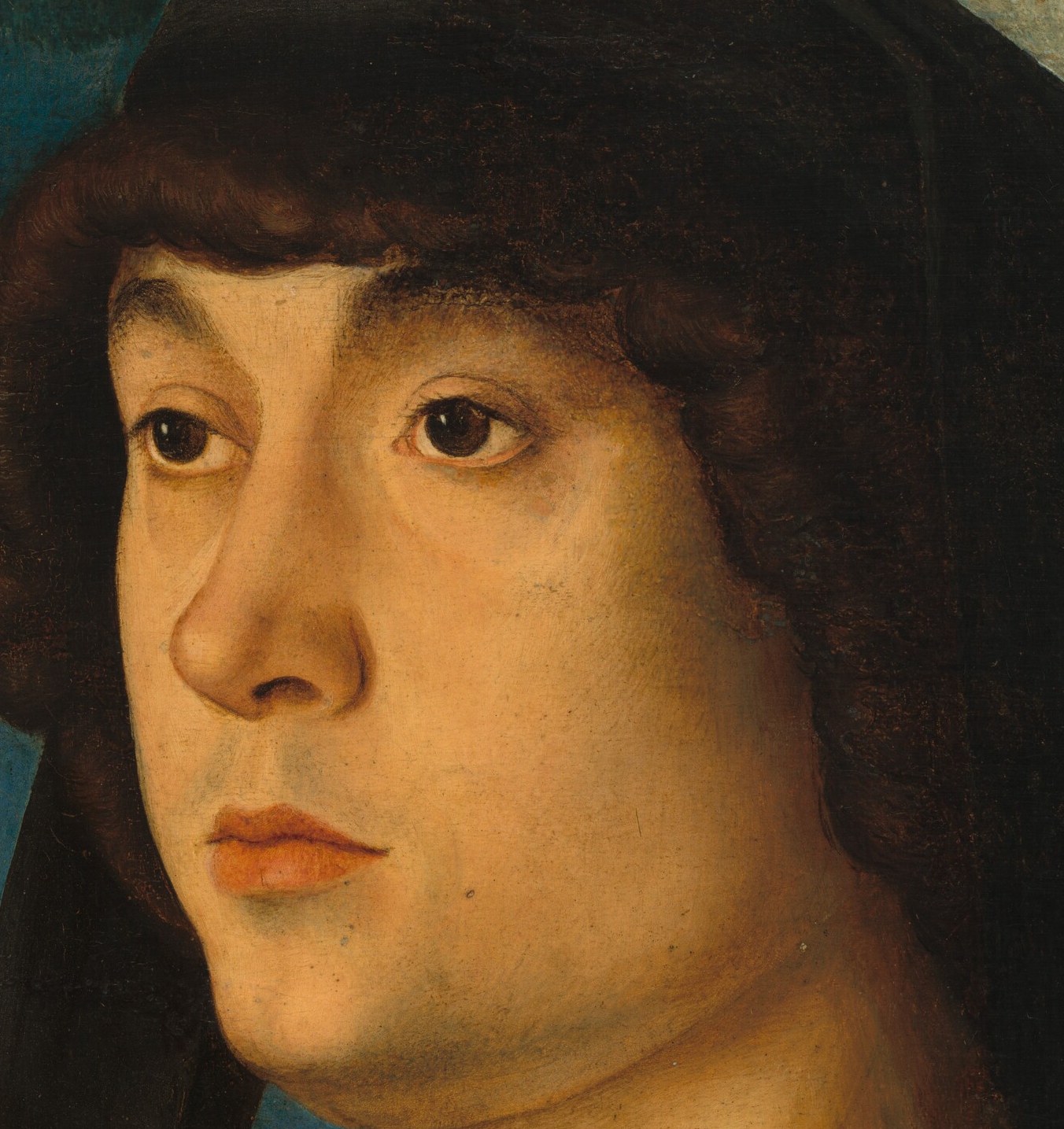
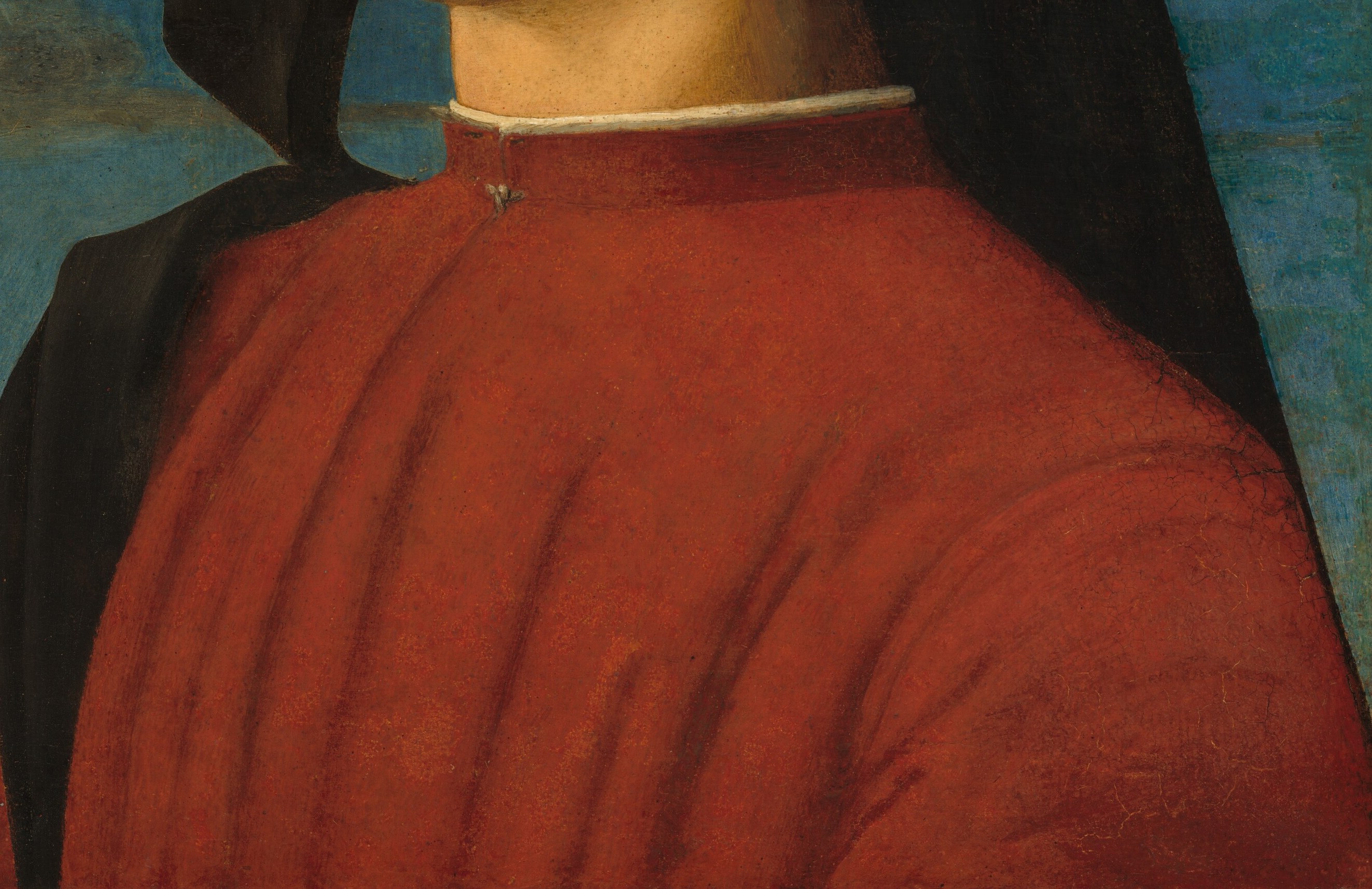
Look closely at the young man's face, his lips slightly parted, and the delicate rendering of his pale skin. Bellini's use of layered oil paint creates a lifelike quality, making the figure seem to breathe. The rich red tunic stands out against the simple background, drawing the viewer's eye to his quiet composure.
Bellini, who worked in Venice, was known for turning portraits into something warmer and more alive than earlier, stiffer depictions. This particular piece was part of Andrew W. Mellon's foundational gift to the National Gallery of Art in 1937, after passing through various collections since at least 1627.
Despite the anonymity, the painting remains a powerful example of Renaissance portraiture, inviting contemplation about the individual rather than a historical figure.
Details
Transcript
This young man has been famous for centuries. But no one knows who he is, or why he was painted. The painter was Giovanni Bellini, Venice's master portraitist. He captures a quiet composure in the young man's expression. Bellini used layered oil paint, making the skin seem to breathe. A mystery, but one of Bellini's most accomplished portraits.