Christ and the Adulteress by Titian
Titian's "Christ and the Adulteress" (c. 1520) at the Kunsthistorisches Museum in Vienna, is a powerful depiction of a pivotal biblical moment.
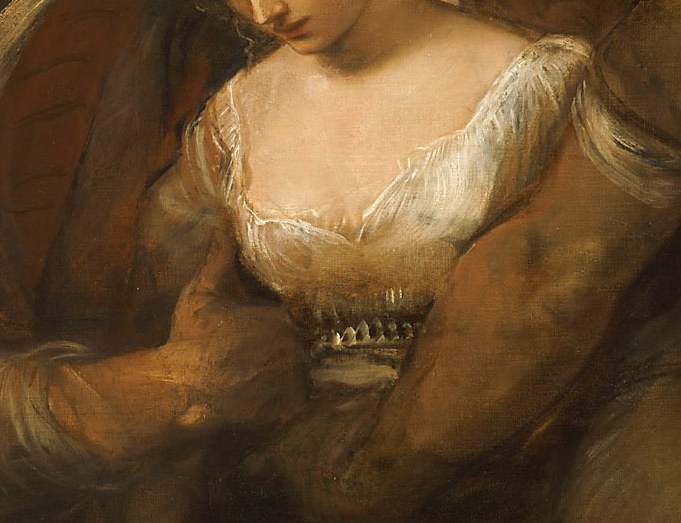
Notice the stark contrast of the woman's luminous white dress against the darker tones of the crowd, drawing immediate attention to her vulnerability. Her downcast eyes and bowed head convey her shame, while the stern faces of her accusers embody legalistic opposition.
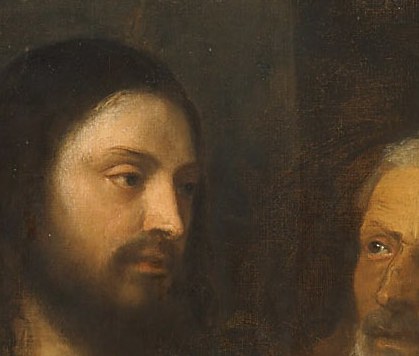
Christ's calm demeanor and raised hand are central to the painting's message. He isn't merely observing, but actively intervening, inviting viewers to reflect on mercy and forgiveness rather than immediate condemnation. This work reflects the Counter-Reformation's emphasis on moral instruction.
Titian, one of the most influential painters of the Venetian Renaissance, used rich coloration and subtle modeling to create this psychologically charged scene. What emotions do you see in the faces of the onlookers?
Details
Transcript
This painting tells a biblical story about mercy. The woman in white is accused of adultery. Her luminous white dress highlights her vulnerability. The accusers stand ready to condemn her. But Christ raises his hand, signaling a pause. He invites contemplation of mercy, not judgment.