Palazzo da Mula, Venice by Monet, Claude
Claude Monet's "Palazzo da Mula, Venice," painted in 1908, is an oil on canvas masterpiece housed at the Art Institute of Chicago. Part of his celebrated Venice series, this painting blurs the lines between architecture and atmosphere.
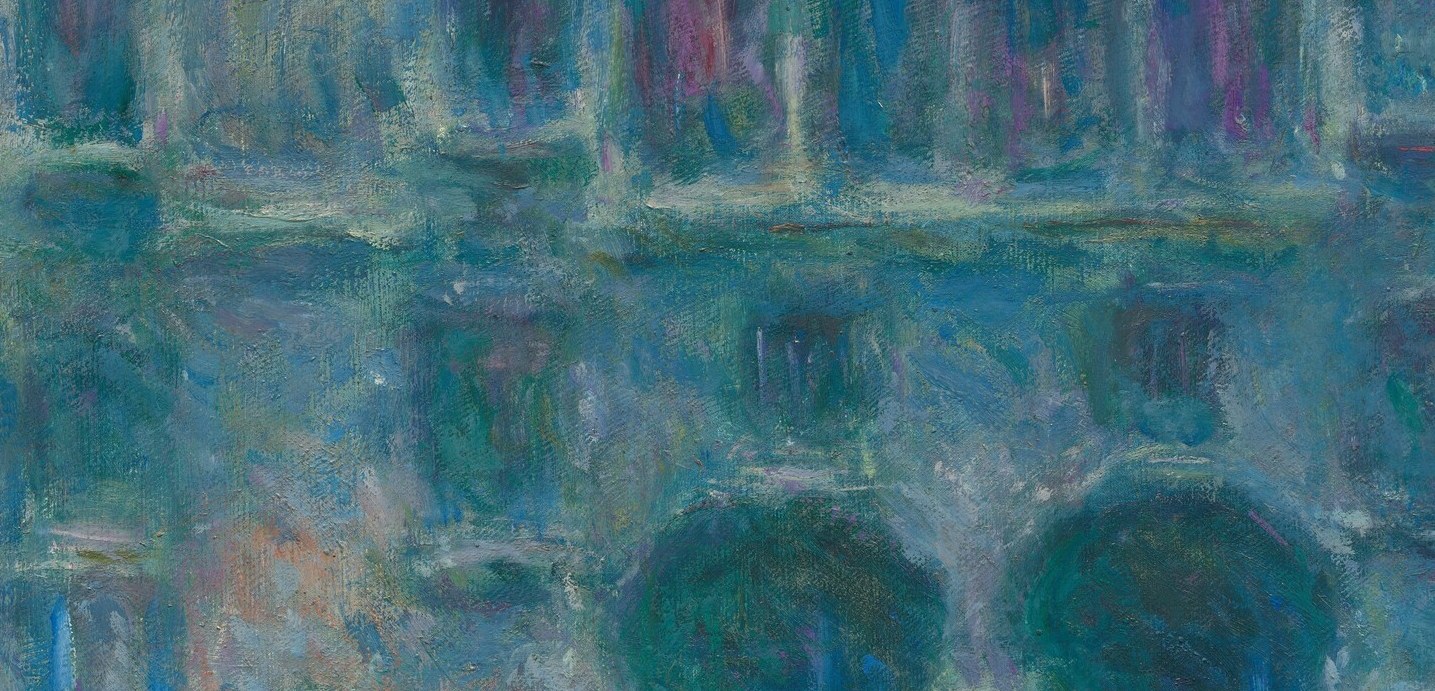
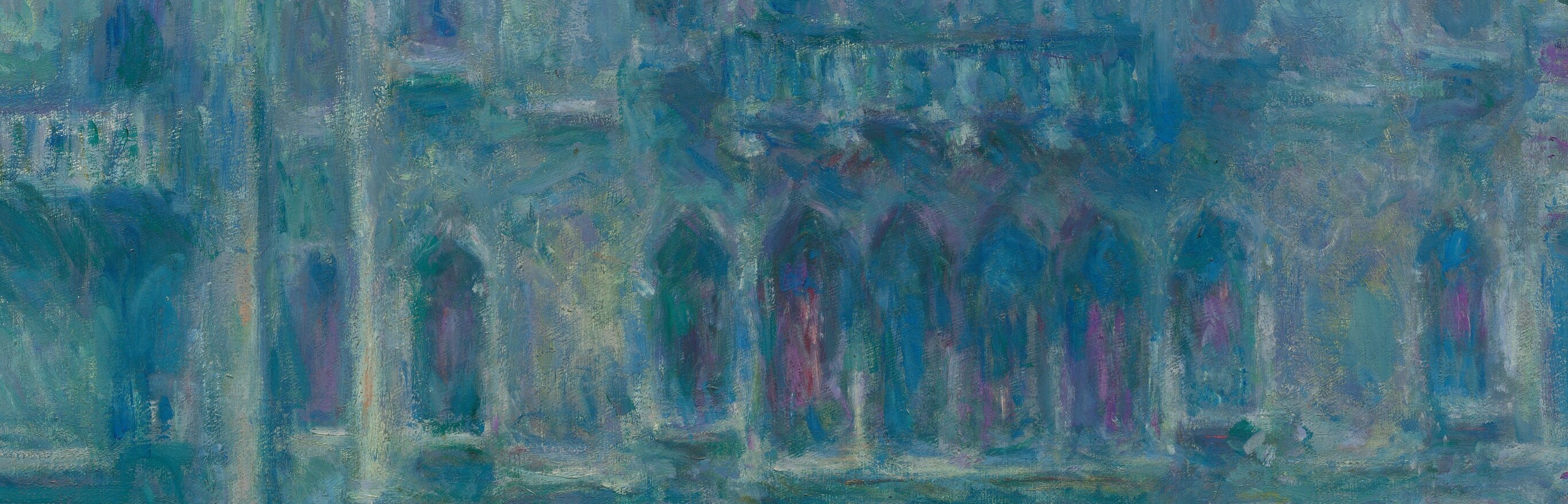
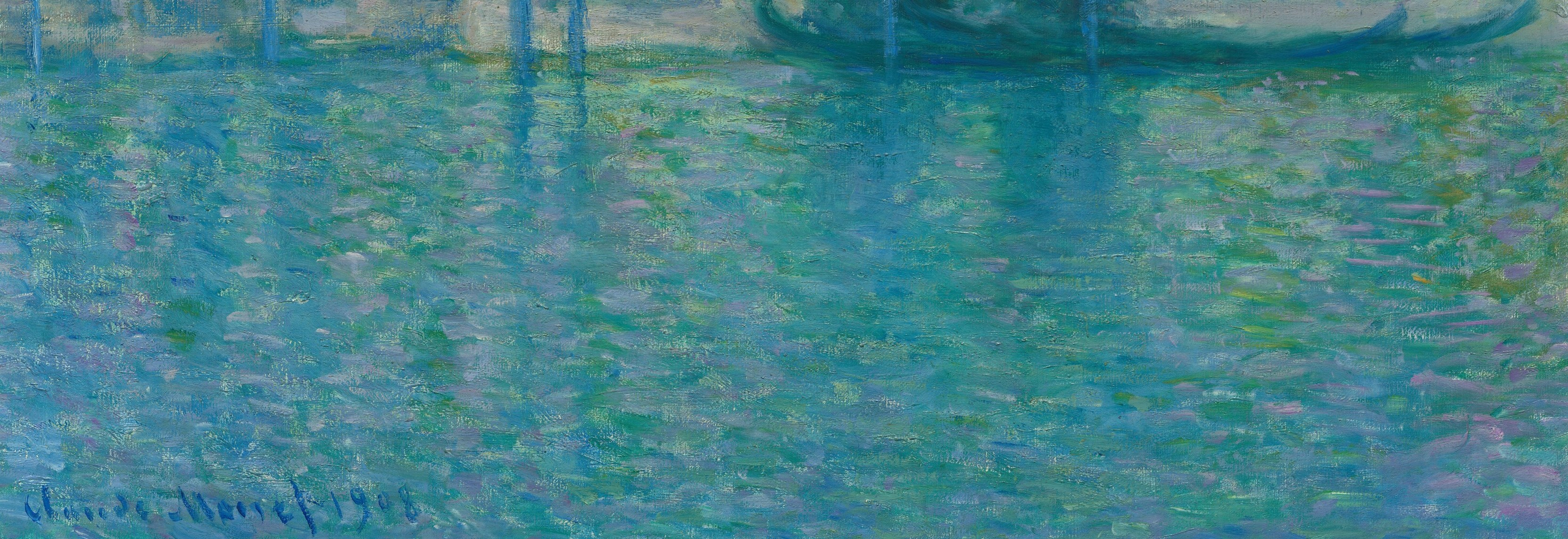
Look closely at how the solid Gothic stone of the palace seems to dissolve into light and reflection. Monet uses thick, broken brushstrokes, especially in the water, to capture the fleeting, shimmering quality of light and movement. The building's roofline merges seamlessly with the sky, a signature technique of his late style.
Monet created a series of works depicting Venetian palaces during his visit in 1908. He was fascinated by the way light transformed these historic structures, focusing on capturing the transient effects of atmosphere rather than precise architectural detail. These paintings are a testament to his ongoing exploration of light and color.
How does this Impressionist vision of Venice compare to your own mental image of the city?
Details


Transcript
This Venetian palace seems to float, not stand. Solid stone columns dissolve into pure light and haze. He painted this in 1908, a late work of his Venice series. See how the atmospheric haze melts the roofline into the sky. The reflection in the water is almost more real than the building. Monet used broken impasto strokes to create moving water.