The Rue Mosnier Dressed with Flags by Édouard Manet
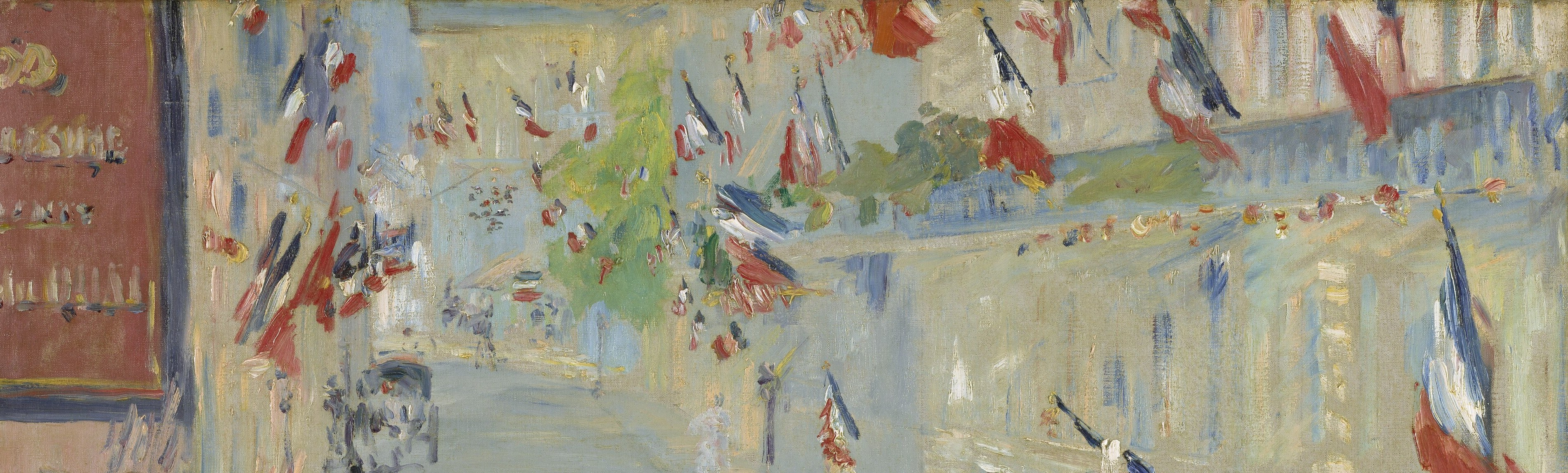
Édouard Manet's *The Rue Mosnier Dressed with Flags*, painted in 1878 and held by the J. Paul Getty Museum, captures a specific historical moment: Paris celebrating its first national holiday on June 30, 1878, known as the Fête de la Paix. This festive occasion marked France's recovery after the Franco-Prussian War and the Paris Commune.
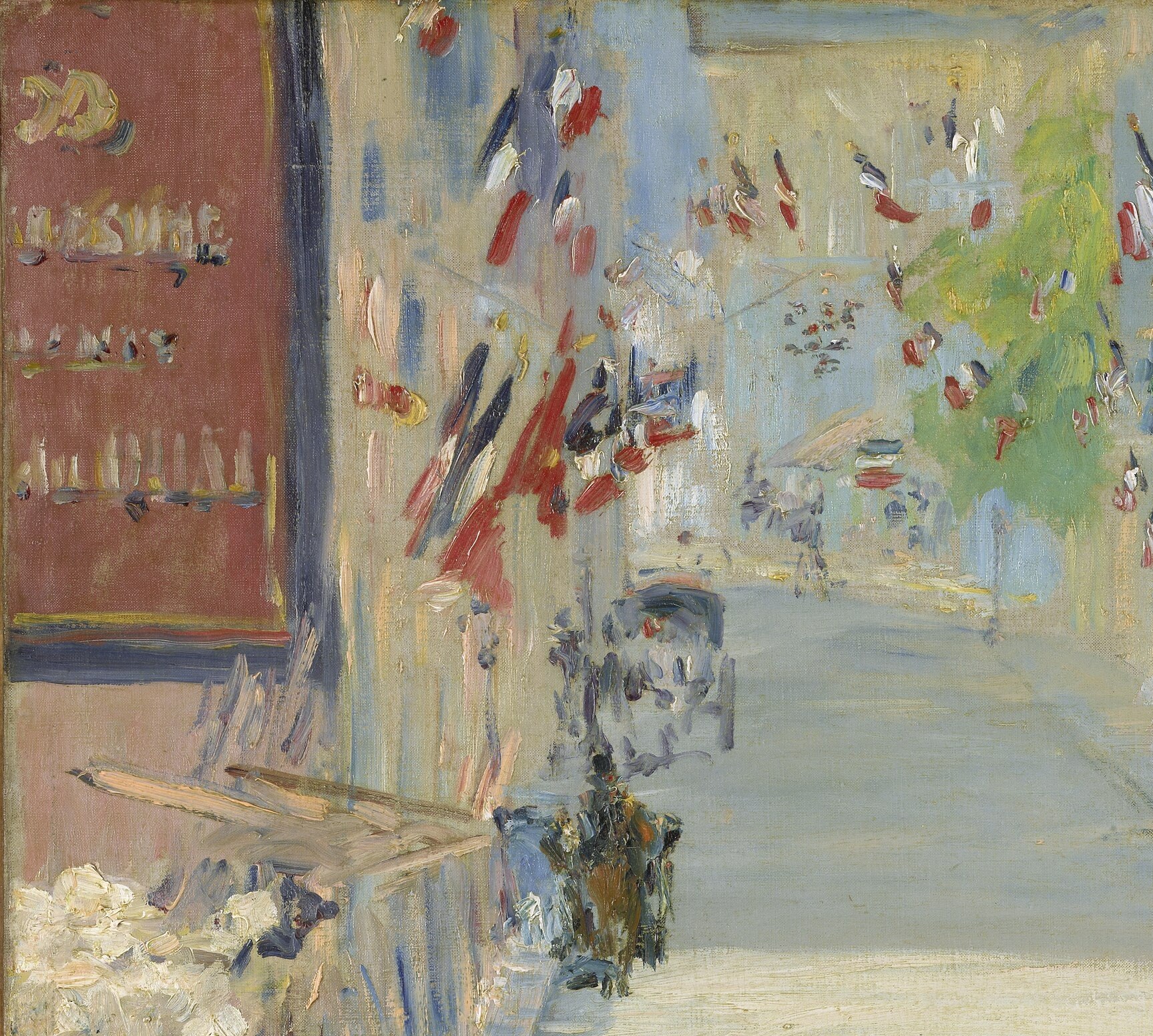
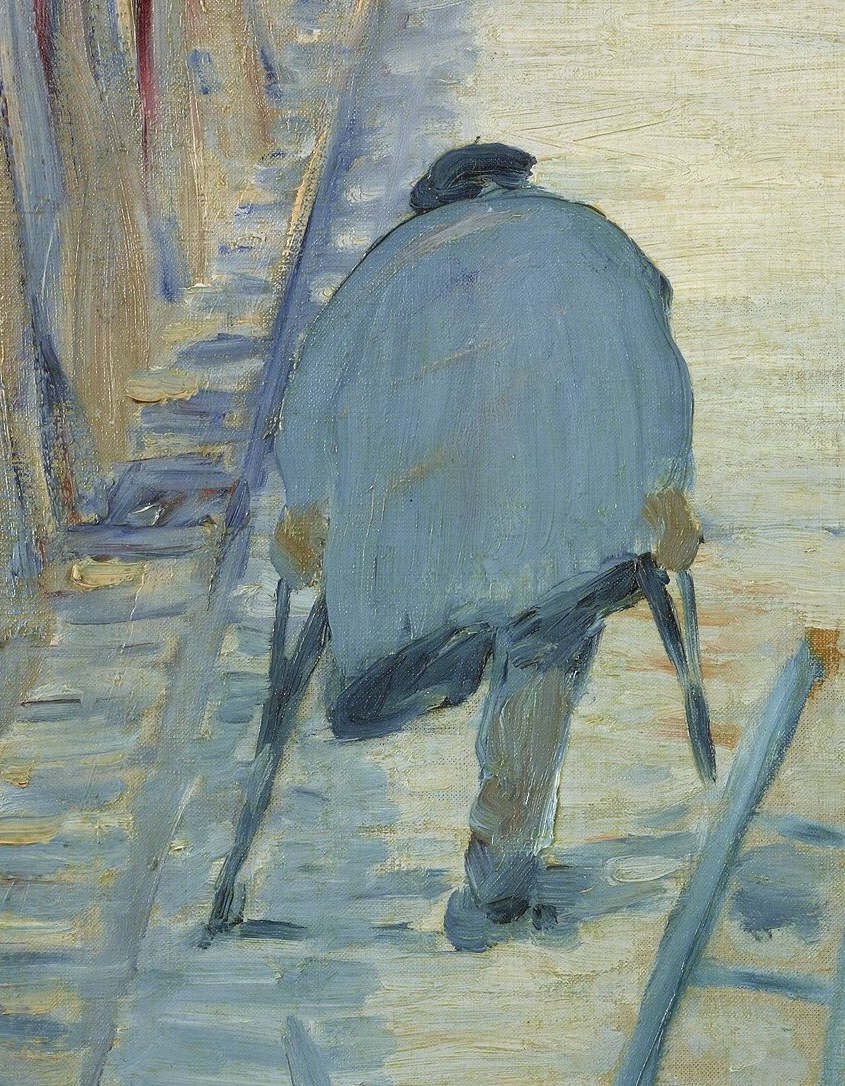
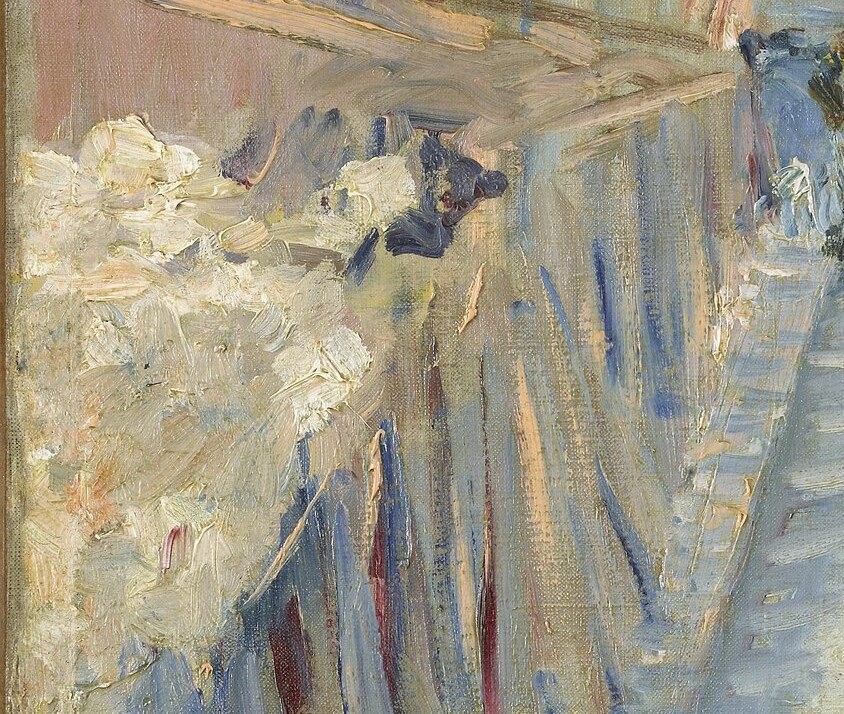
Observe the tricolor flags adorning the Rue Mosnier, a vivid display of national pride. Amidst the celebratory scene, a figure on crutches, possibly a war veteran, serves as a poignant reminder of the recent conflict. The pile of rubble visible behind a fence also subtly hints at the ongoing rebuilding of the city.
Manet painted this scene from his studio window overlooking the street, capturing a vibrant, everyday moment transformed by celebration. This holiday was later moved to July 14, becoming what we now know as Bastille Day.
The painting offers a glimpse into a city finding joy and unity after a period of significant turmoil. What stories do these flags and figures tell you?
Details
Transcript
June 30, 1878: Paris celebrates its first national holiday. Tricolor flags line the Rue Mosnier, signaling peace and recovery. The celebration marked France's recovery from a brutal war. This man on crutches may be a veteran, wounded in that war. Behind a fence, rubble from building works hints at recent upheaval. The holiday was later moved to July 14, becoming Bastille Day.