The Declaration of Love by Jean-François de Troy
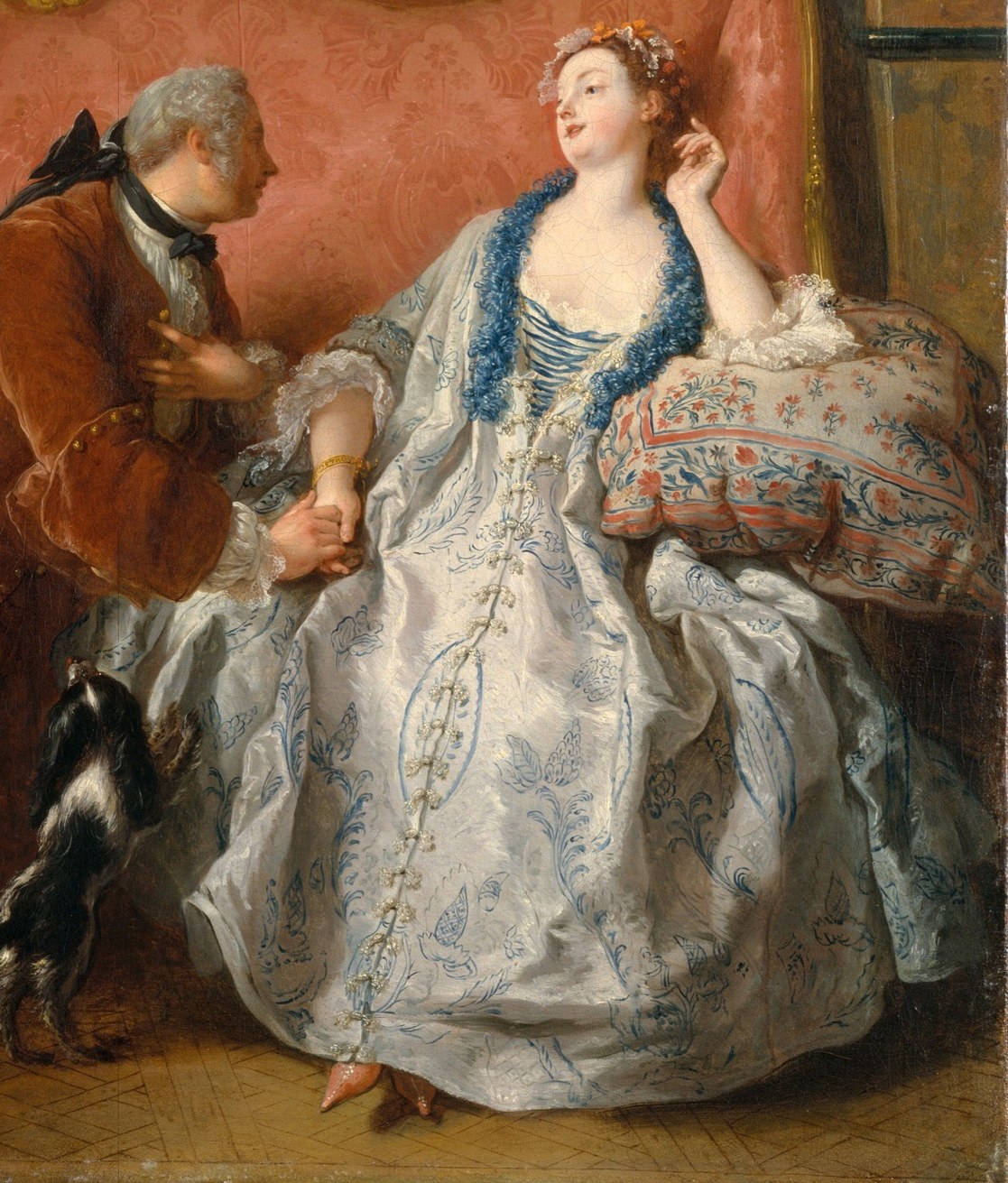
Jean-François de Troy painted ‘The Declaration of Love’ in 1724, and in doing so helped invent a new kind of painting. He called them 'tableaux de modes', pictures of fashionable life. Before this, French painters who wanted to be taken seriously painted history and myth. De Troy argued that a silk dress and a loaded glance were as worthy of the canvas as a goddess and a chariot.
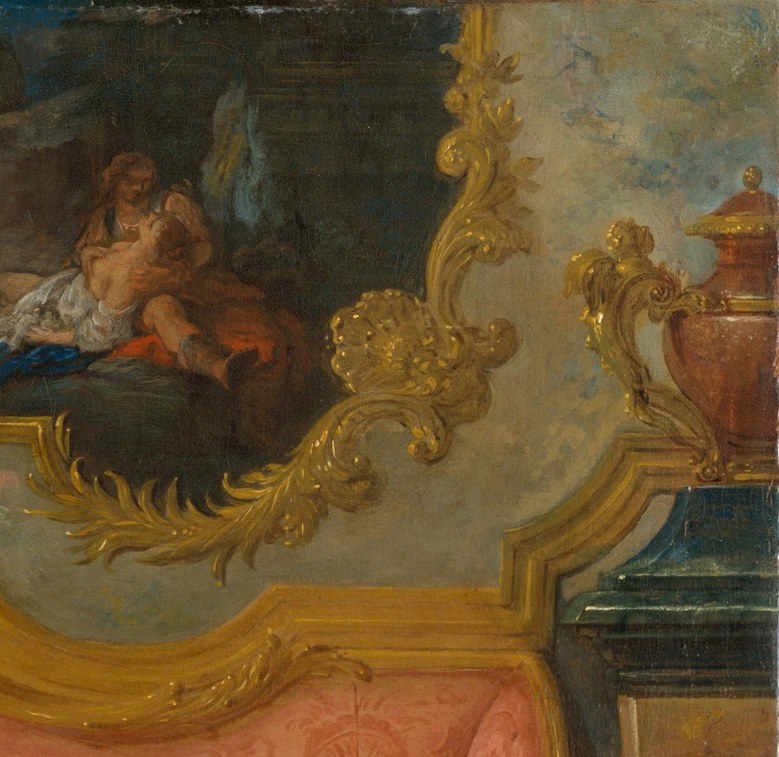
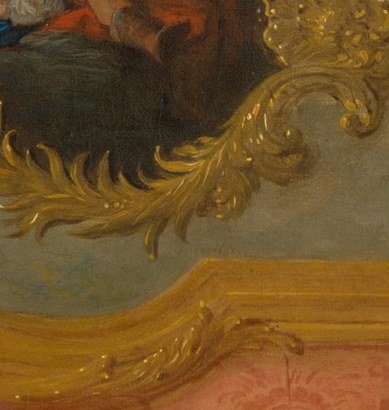
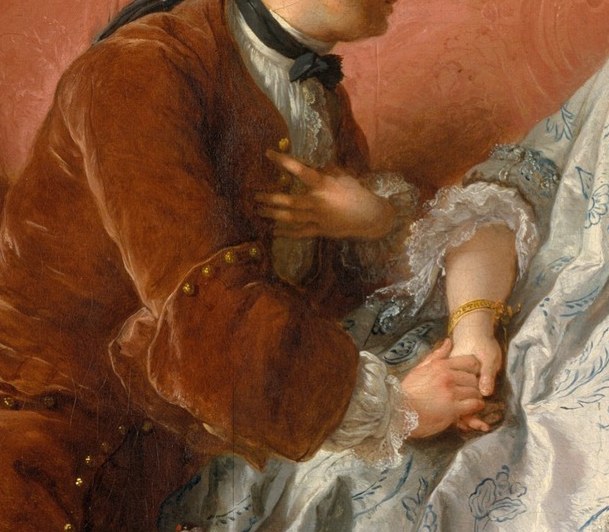
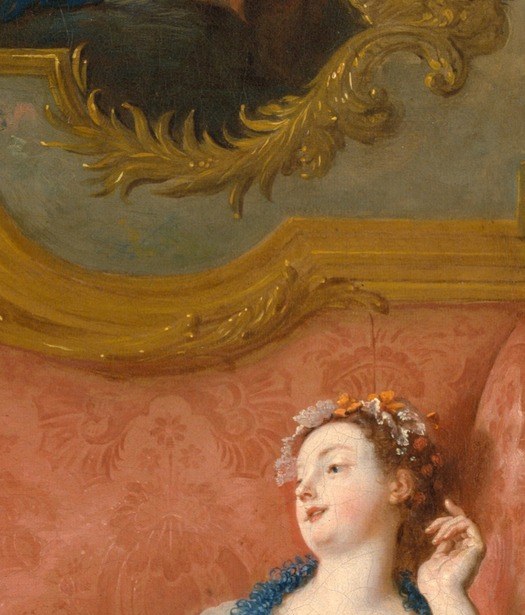
Look at the painting within the painting. Above the couple, framed in gilded Rococo curls, airborne figures, Venus and Cupid, or a playful allegory of love, float over the scene. It is a classical commentary hung right inside the room. While the man’s hands reach out in appeal, the woman’s slight smile and the fresh flower in her hair keep the outcome deliberately ambiguous.
During the Napoleonic wars, the painting was looted from a French royal palace and disappeared into private hands. For much of the 19th and early 20th centuries, its whereabouts were unknown. It survived occupation, transport, and obscurity before resurfacing in a collection that eventually gifted it to the Metropolitan Museum of Art, where it hangs today.
A painting about a moment of risk ended up living a risky life of its own. What other coded messages do you notice in the room?
Details
Transcript
Jean-François de Troy invented the 'tableau de mode', paintings of fashionable French life. He painted this in 1724, at the height of the Régence, an era of pleasure and intrigue. Look at the painting hung above them. Airborne figures, likely Venus and Cupid, comment silently on the courtship below. The flower in her hair is a coded signal of romantic availability. His outstretched hands are neither touching nor withdrawn, frozen at the moment of risk. A century after it was painted, invaders stole it from a French palace. For decades, De Troy's declaration was declared missing.