Joseph Interpreting the Dreams of Pharaoh by Jörg Breu the Younger
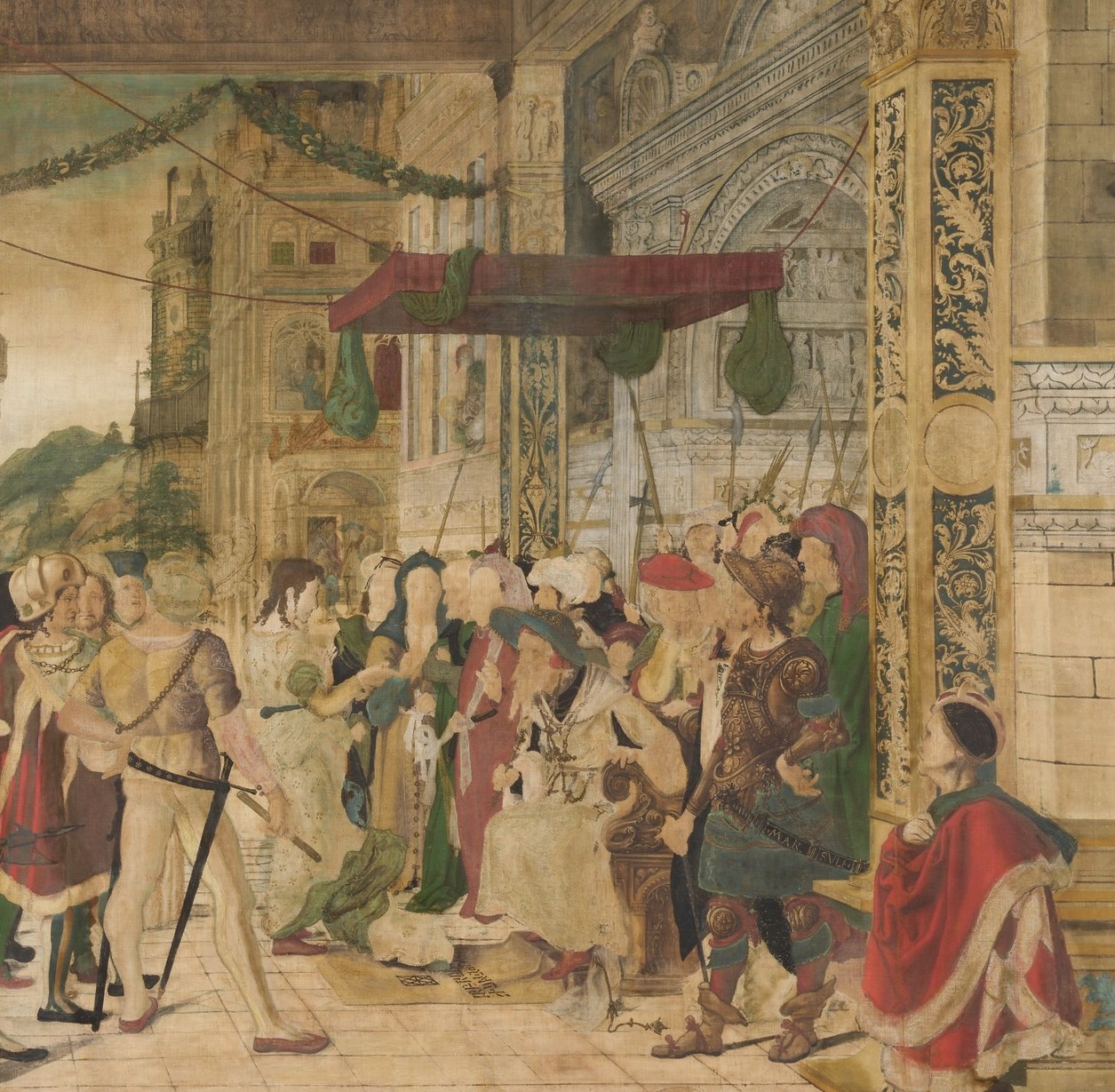
Jörg Breu the Younger painted “Joseph Interpreting the Dreams of Pharaoh” in 1534, and it now lives at The Metropolitan Museum of Art. The scene is the Book of Genesis: a Hebrew prisoner, pulled from the dungeon, stands in a packed court to do what Egypt’s magicians could not.
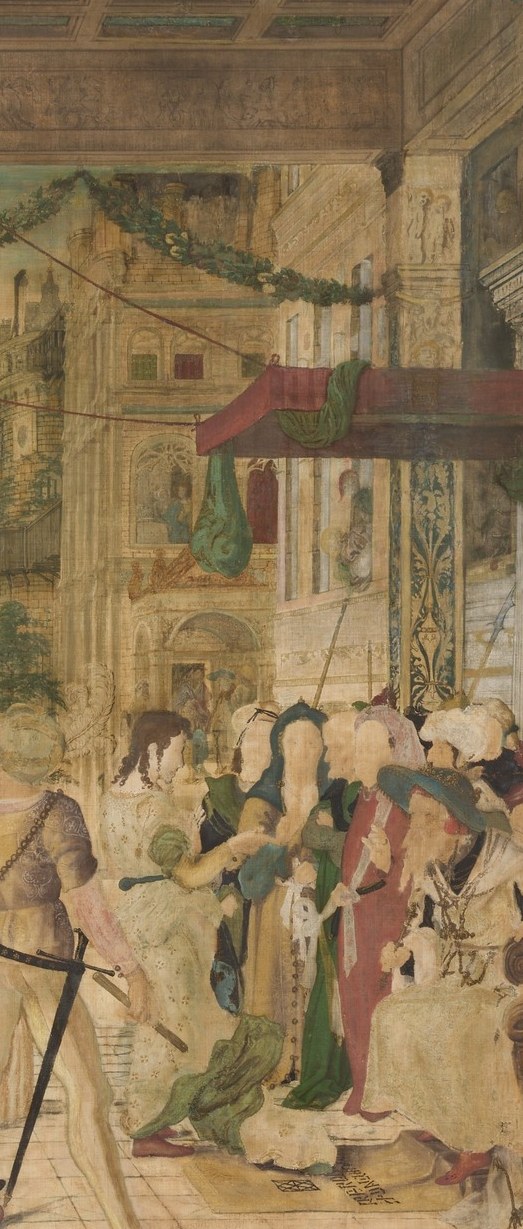
Watch Pharaoh’s face. Breu painted him leaning forward, a monarch on a throne, listening with open intensity to a man who was in chains that morning. The courtiers around them react in a spectrum of disbelief and wonder, a real human audience processing an impossible claim.
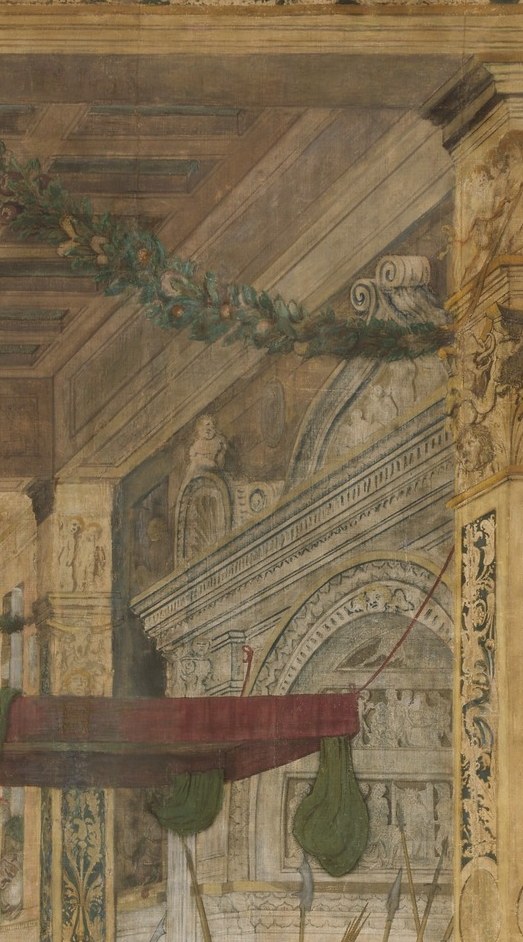
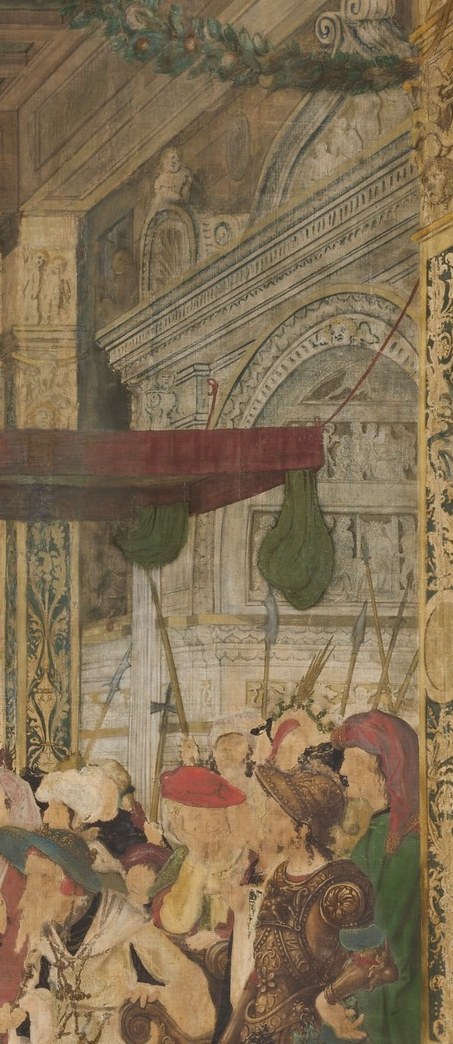
The painting is distemper, pigment bound in animal glue, which dries matte and fast. Breu used it to build fine detail across every face, every tile, every carved column. The red canopy marks royal authority, but it is the silence between the two central figures that holds the whole scene together.
Joseph is saying that God will give the answer. He has no power of his own, and everyone in the room knows it. The painting asks what it looks like when authority actually listens.
Details

Transcript
Pharaoh had a dream no one could explain. So they pulled a Hebrew prisoner from the dungeon. Look at Pharaoh. He is leaning in. The court watches with curiosity, skepticism, awe. This is the moment Joseph says: God will give Pharaoh the answer. A Hebrew slave, now the most powerful voice in Egypt.