Everard Benjamin by Jennys, William
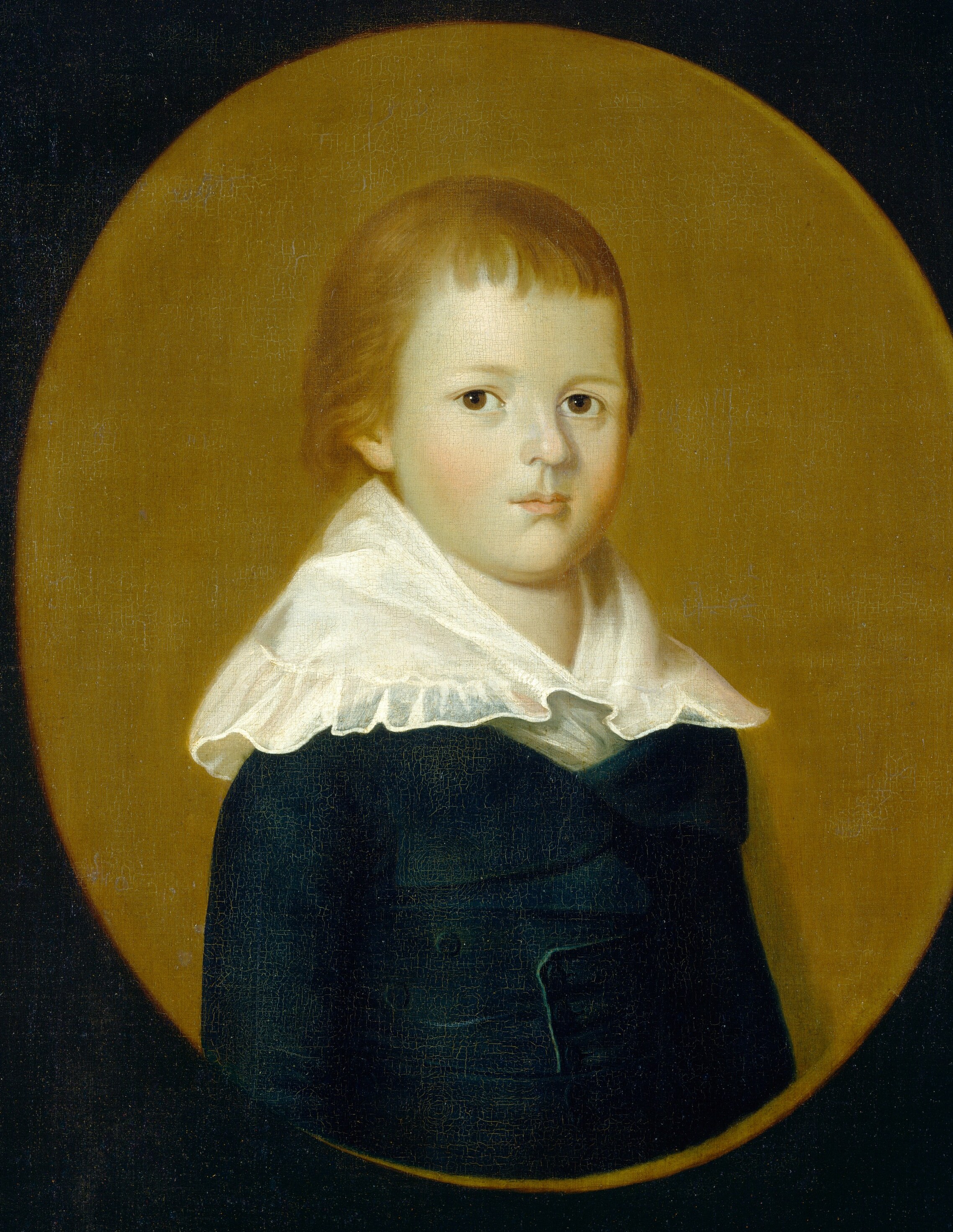
This is Everard Benjamin, painted in 1795 by the American itinerant portraitist William Jennys. It is a quiet document of a child encoded with the ambitions of a new nation's middle class.
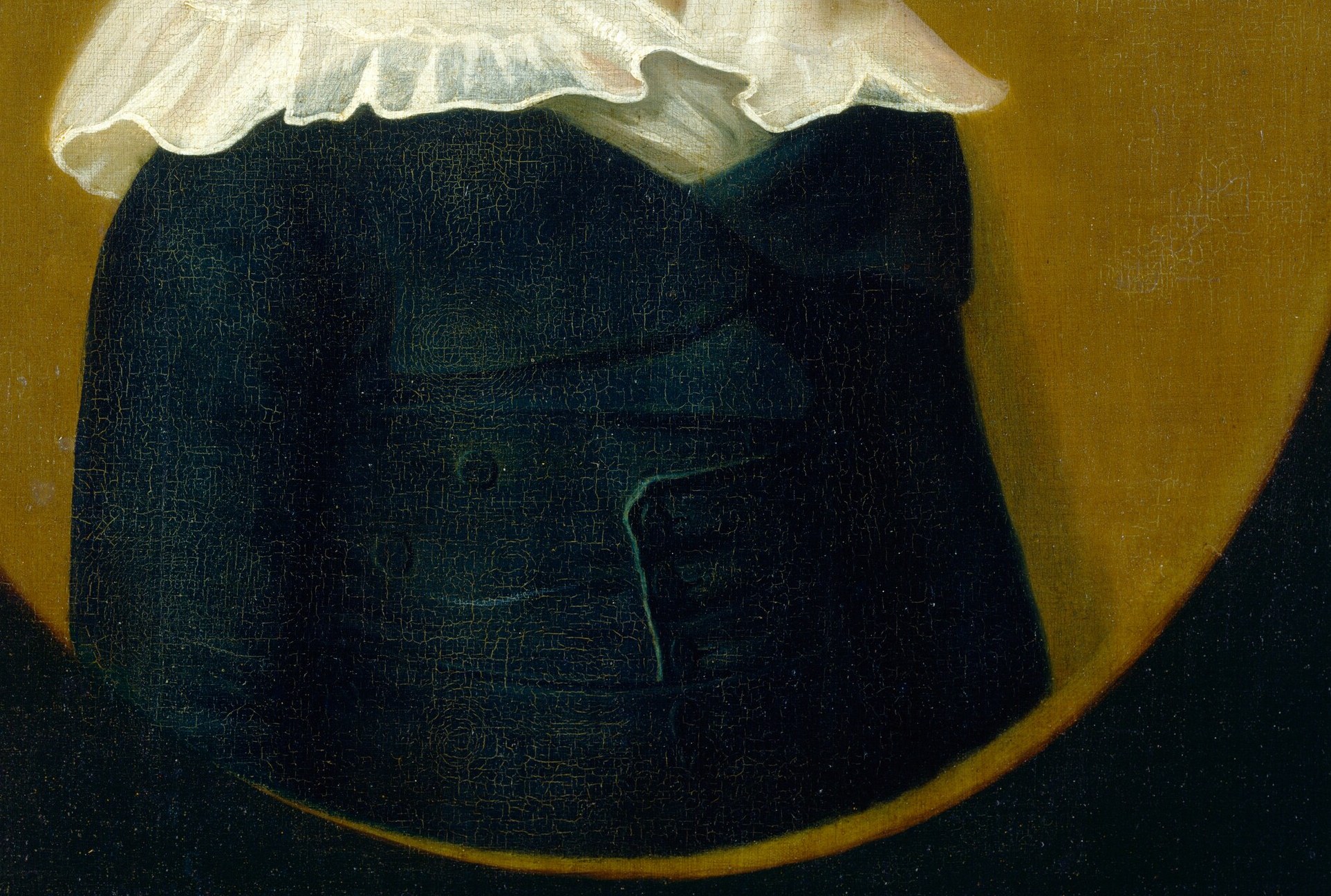
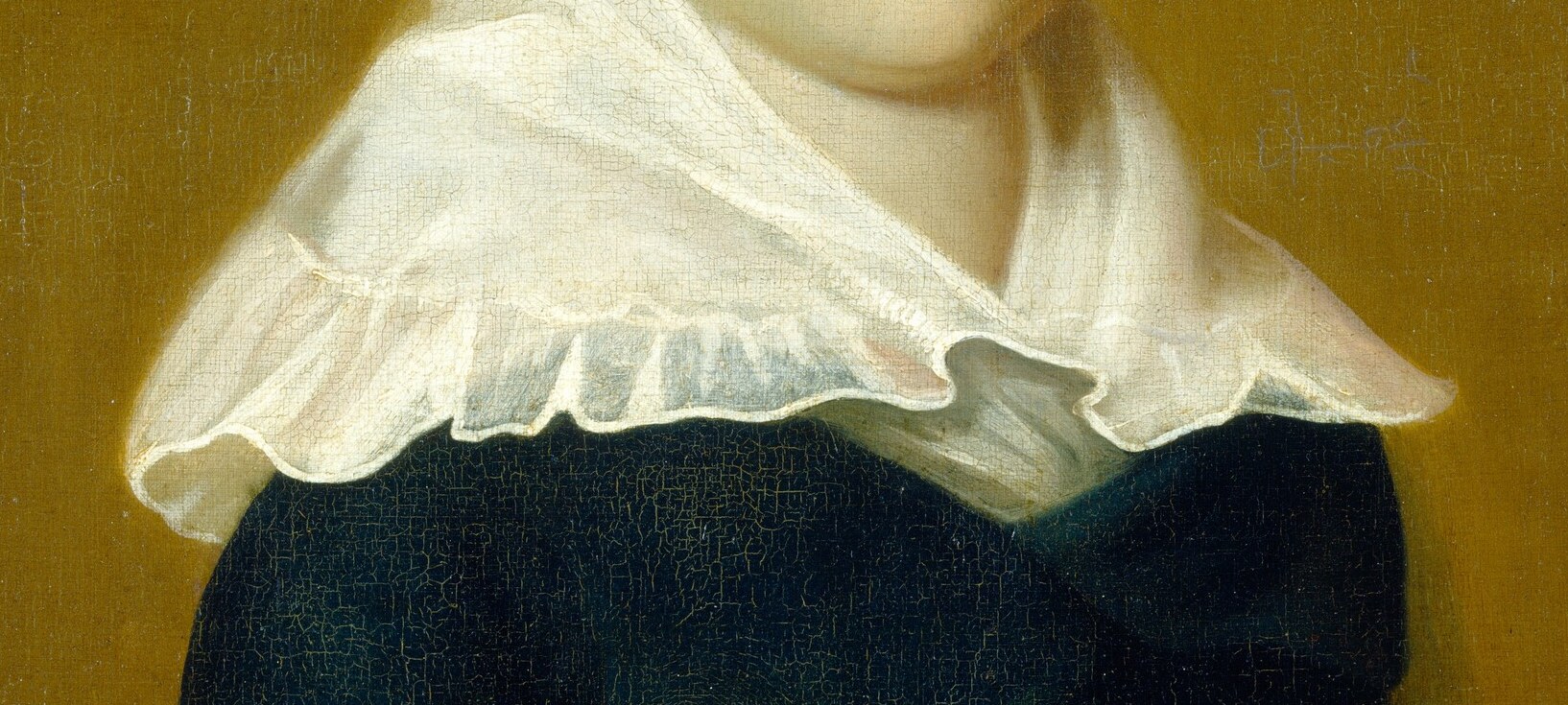
Look at the dark blue jacket and the white ruffled collar. A boy would not choose these clothes. They are a performance of status, meant to tell viewers that this family had the means for fine fabric and the leisure to keep linen immaculately clean. Notice also the warm yellow oval that isolates him from the dark background, a common device in early American portraiture to lift the sitter out of a specific place and into a timeless ideal.
William Jennys worked along the eastern seaboard in the late 1700s, moving from town to town to paint the families who could now afford to own their own likenesses. A portrait like this was not casual decoration; it was a legal and emotional record of a lineage, a child presented as the future keeper of a family name.
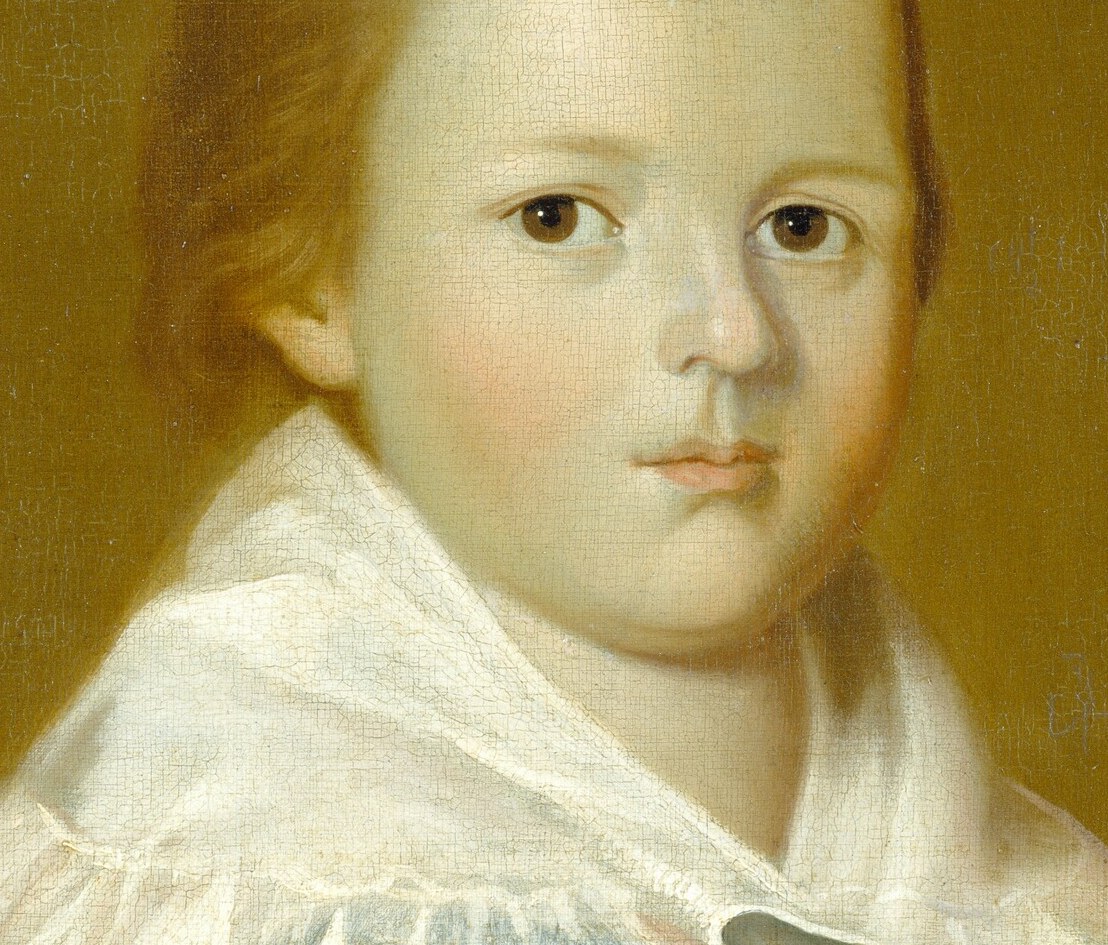
A painting of a child who never smiled, dressed in clothes he did not choose, can feel distant. But every deliberate detail, the soft shadows under his chin, the single visible button, the brushed texture of the dark wool, was an act of care by an artist trying to fix a fleeting moment for people who knew it would pass.
Details
Transcript
He is a child dressed for an adult world. The blue jacket is not everyday wear. It signals status. Look at the white ruffled collar. Crisp linen meant a family with means to launder it. His face is set in a quiet, direct gaze. Child portraits often recorded a family's line and future. Together: a name, a hope, and a claim on permanence.