The Holy Family by http://www.wikidata.org/.well-known/genid/9ffc48be27c910a95c21aa242610ef9c
This quiet domestic scene, painted in 1612, is one of the most contested images Orazio Gentileschi ever made. It hangs now in a public collection, but when it first appeared, the seemingly gentle bouquet at its center triggered accusations of heresy.
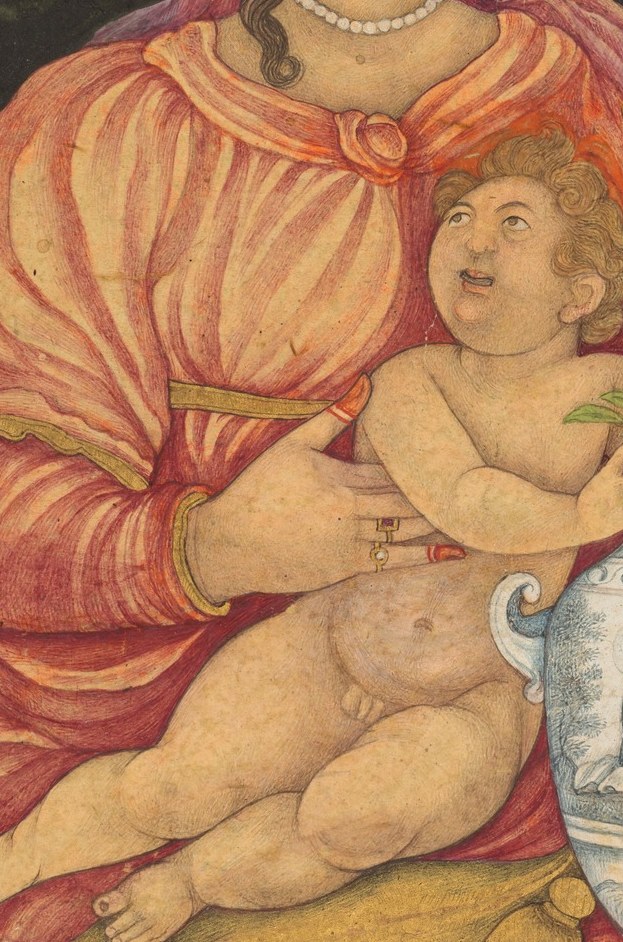
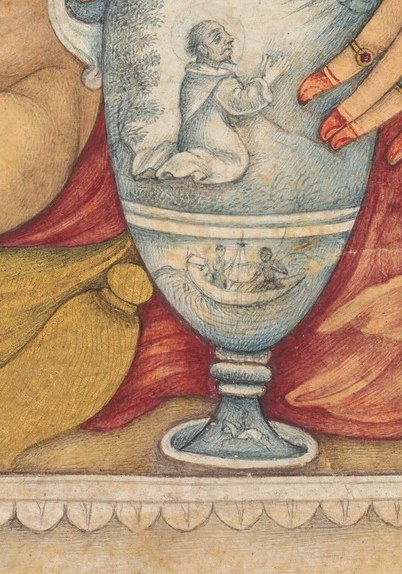
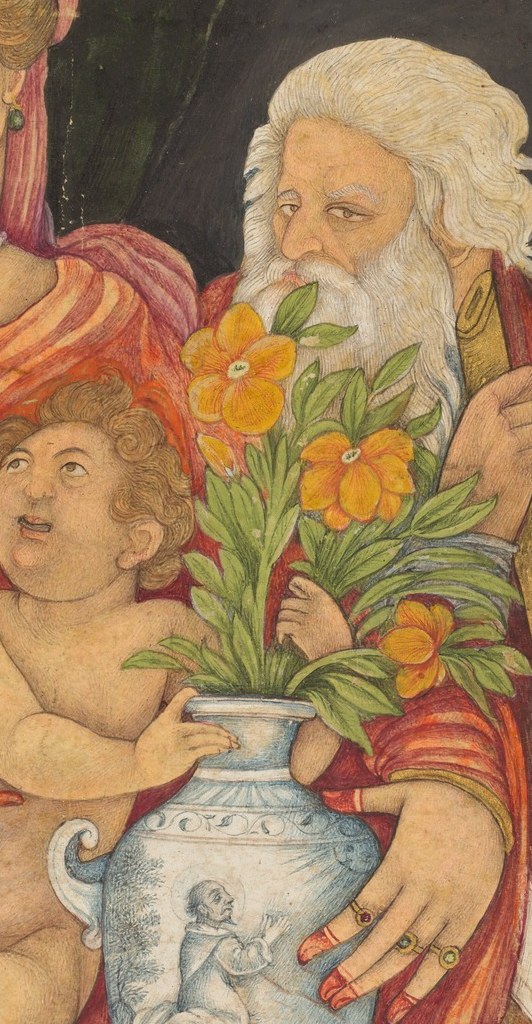
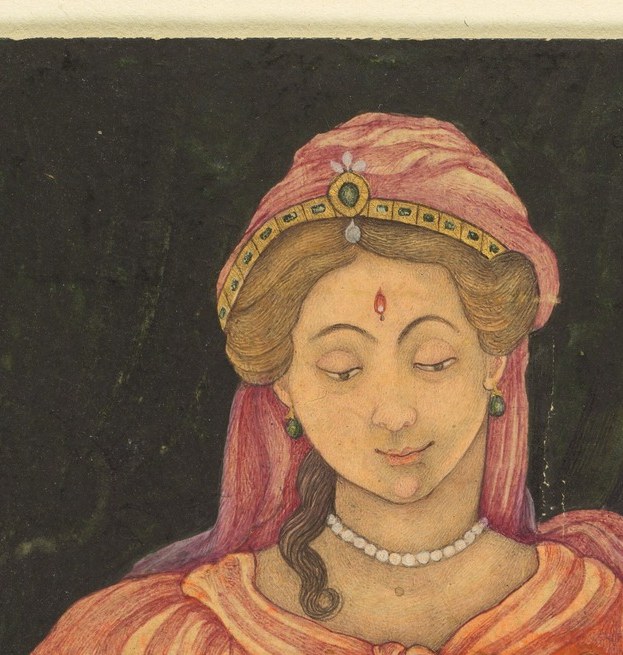
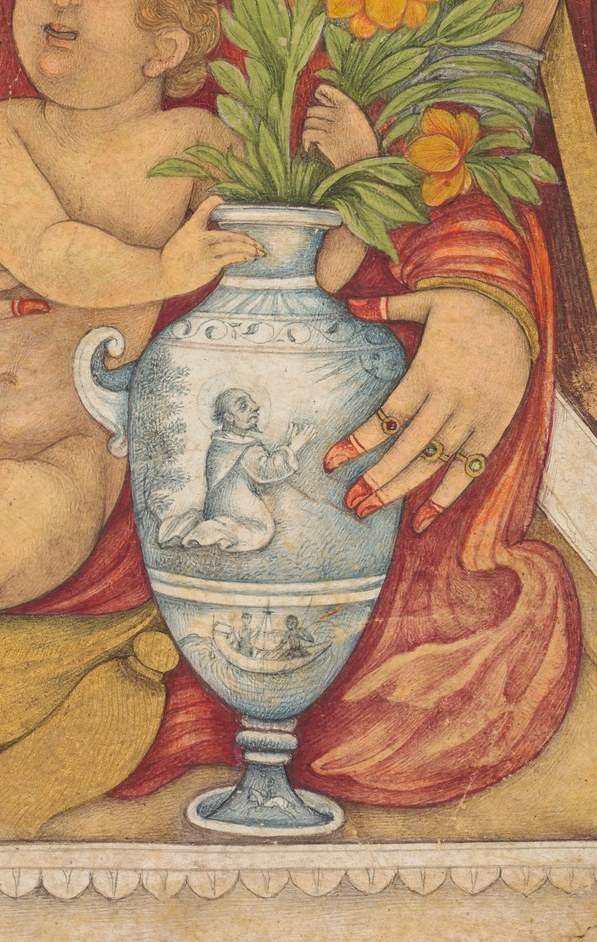
Look first at the bright orange flowers. The infant reaches for them with chubby, active hands while his mother holds him steady. Joseph grips the vase with the rough hand of a labourer. The classical relief on that vase, a painting within a painting, rewards a close look, but it was the flower species itself that caused the real trouble.
In Baroque flower symbolism, orange lilies or marigolds were not neutral decoration. They were emblems of the Passion, pointing directly to Christ's future suffering and death. To contemporary Church authorities, placing a mourning flower directly into the hands of the divine infant was not merely gloomy; it was a theological provocation that seemed to pre-condemn the child.
The uproar that followed stained Gentileschi's career in Rome. While his daughter Artemisia would later become the more famous name, Orazio spent years rebuilding his reputation abroad. A small vase of flowers, intended as a learned devotional cue, became a public scandal.
Details
Transcript
They seem like a family caught in a quiet moment. Mary cradles a surprisingly active infant. Behind them, Joseph offers a vase of brilliant orange flowers. These blossoms were read as marigolds, the flower of grief. To the Church, placing a symbol of death in the Christ child's hands was an outrage. The painting was denounced. The artist's reputation never fully recovered.