Landscape with St Jerome by Joachim Patinir
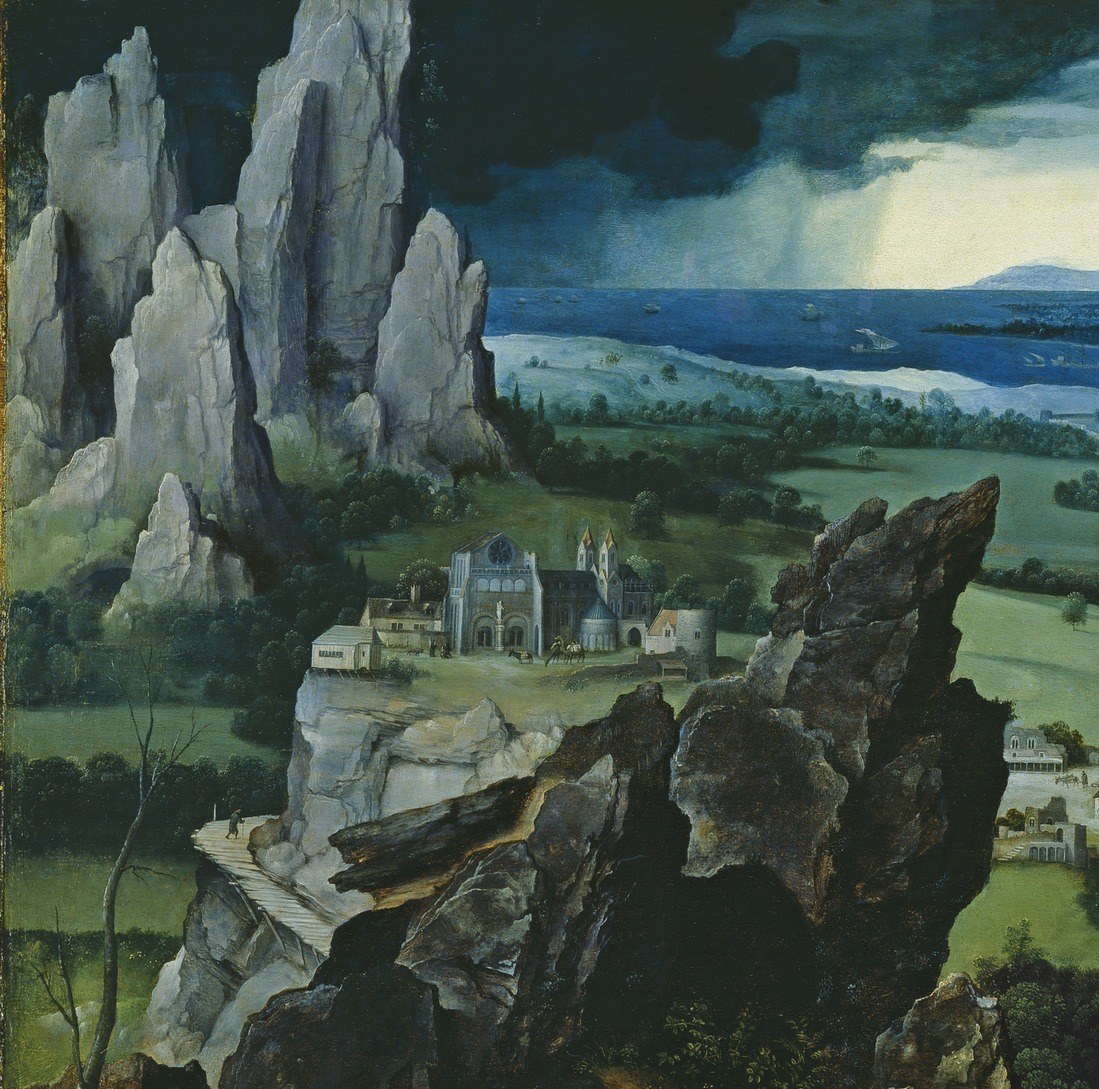
Joachim Patinir's Landscape with St Jerome, painted in 1515 and held at the Museo del Prado, is a groundbreaking work that essentially invented the 'world landscape' genre.
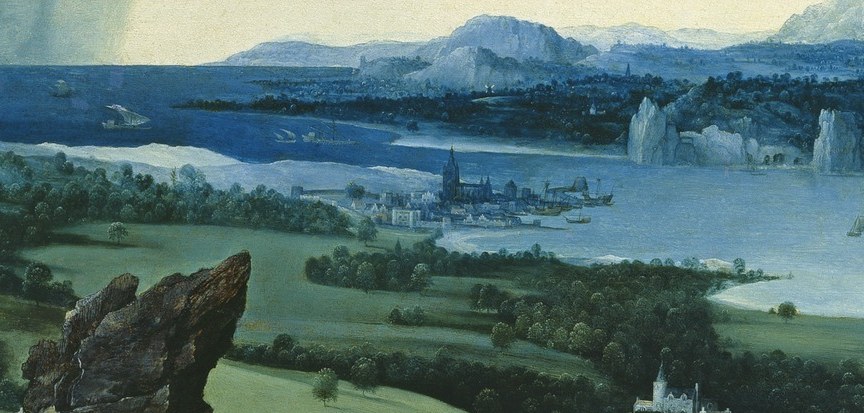
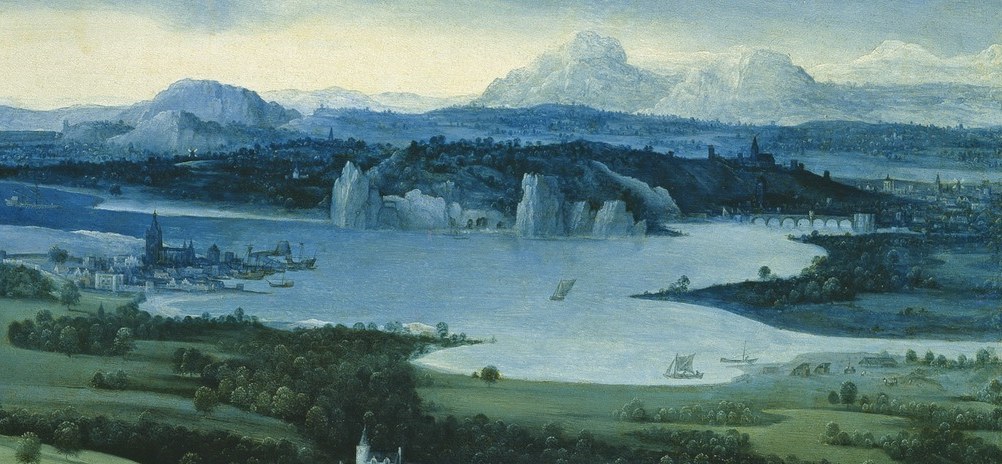
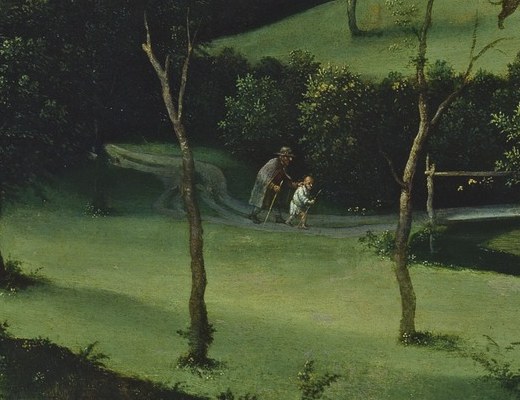
Notice how the artist creates immense depth using distinct horizontal bands of color, drawing the eye from the foreground to the hazy, distant mountains. The figure of Saint Jerome is intentionally small, allowing the expansive natural environment to become the primary subject of the painting.
Patinir was a Flemish Renaissance painter working in Antwerp, and he was the first Netherlandish artist to primarily identify as a landscape painter. His innovative approach to perspective and color significantly influenced subsequent generations of artists in the Low Countries, marking a pivotal moment in art history.
What other details do you notice in this vast, imagined world?
Details
Transcript
This painting, from 1515, helped invent a new kind of art. It's called a 'world landscape,' showing a vast, sweeping view. The painter used three bands of color for immense depth. He was the first to consider himself primarily a landscape painter. The figure of Saint Jerome is tiny against the vast scene. This made the natural world the painting's main subject.