The Lion Hunt by Paulus Potter
Paulus Potter, a Dutch Golden Age painter, died at just 28, but in his short life, he created approximately 100 paintings, including "The Lion Hunt" (1650), now at the State Hermitage Museum.
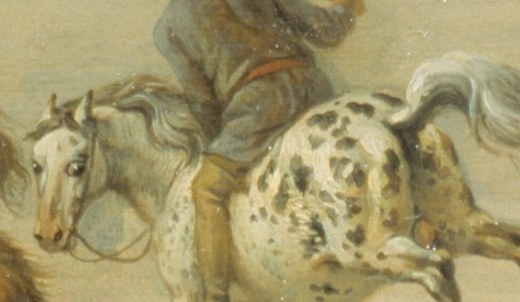
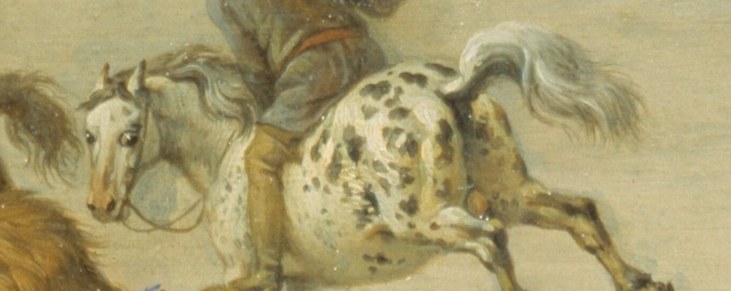
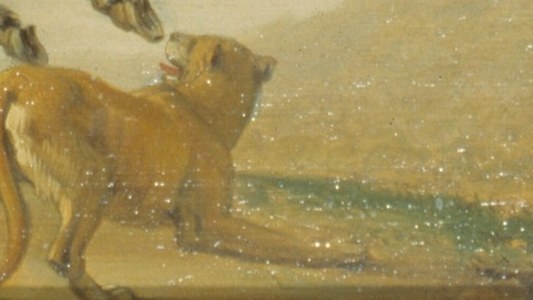
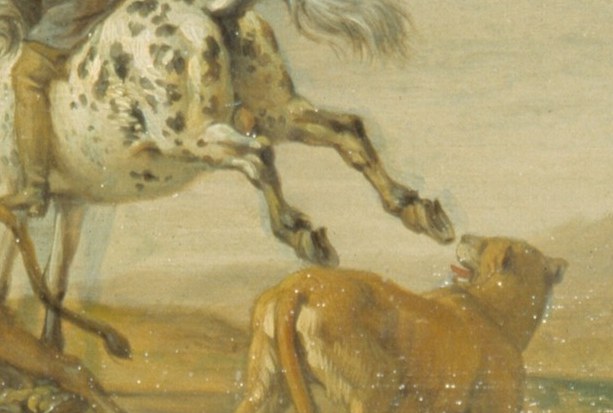
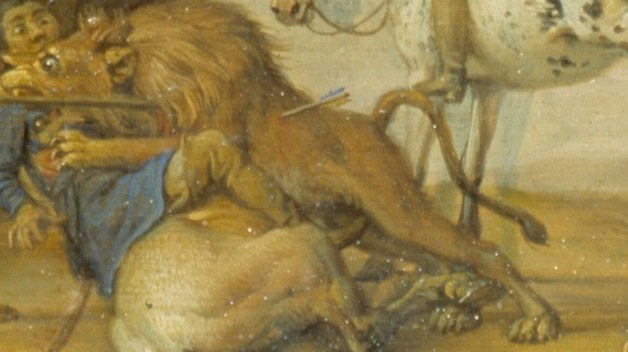
Potter was renowned for his ability to render animals with striking realism and vitality. Look closely at the charging horse, with its dynamic pose and unique dappled coat, and the attacking lion, whose open jaws and tense posture convey raw ferocity. The dust and splatter in the air add to the chaotic movement and visceral impact.
Potter specialized in landscapes featuring animals, often from a low vantage point, making his subjects appear almost lifelike. His skillful use of light accentuates the musculature of the horses and the texture of the lions' fur, enhancing the dramatic impact of this tumultuous hunting scene.
Despite his brief career, cut short by tuberculosis, Potter left a significant legacy as a master of animalier painting. What details in the scene capture your eye the most?
Details
Transcript
This Dutch painter died young, at just 28. But in his short life, he made about 100 paintings. He was famous for making animals look real. Look at the power and detail in this charging horse. And the sheer ferocity of this attacking lion. The struggle is captured in every detail. Paulus Potter specialized in scenes of animal life.