A Young Man with a Chain by Rembrandt
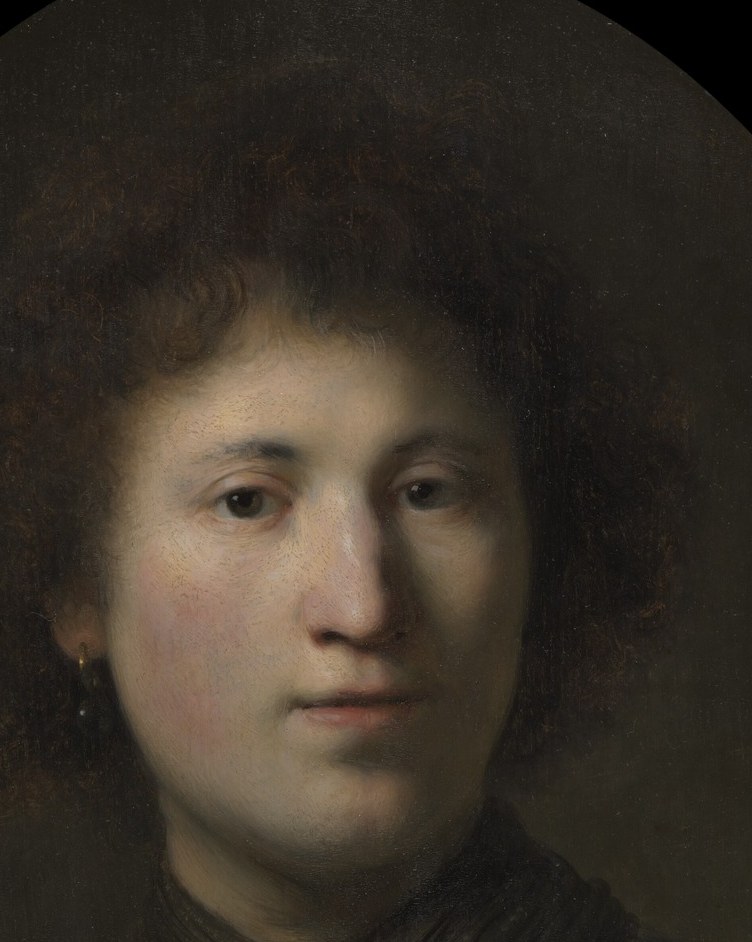
Rembrandt was 19 when he painted A Young Man with a Chain, around 1625. It lives in a private collection, so seeing it up close is rare, and that is a pity, because the painting hides a secret in plain sight.
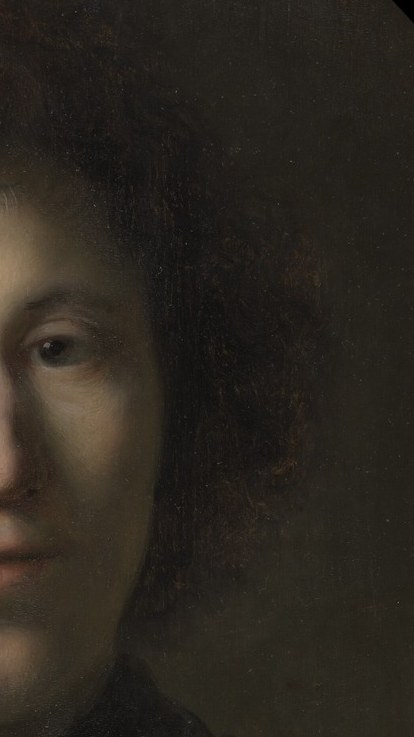
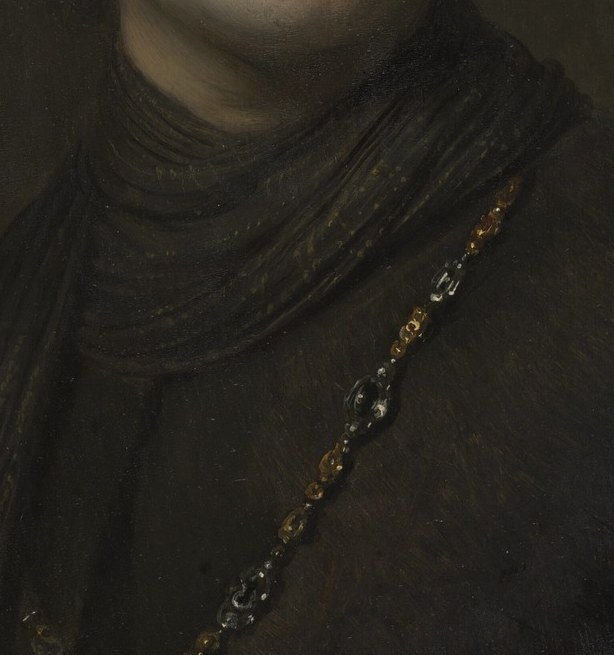
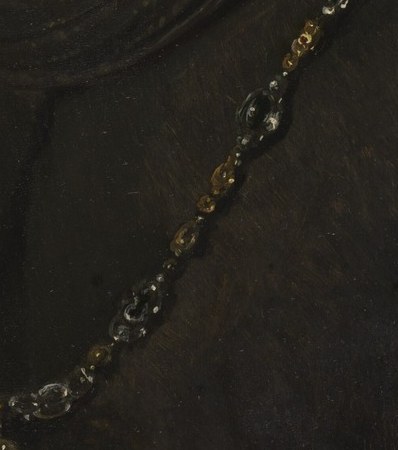
Step back and you notice the broad strokes: a young face caught in dramatic early-Rembrandt light, a sober dark collar, and a lavish gold chain draped across the chest. The chain draws the eye exactly where the painter intended: down toward the pendant that hangs at its end.
Zoom in on that medallion. What looks like a simple gleam of impasto resolves into a tiny engraved face, a portrait in miniature set into the gold. It is the kind of detail that rewards a viewer who stops scrolling and really looks. Scholars still debate whose face it is: a patron, a friend, or perhaps the young Rembrandt imagining himself into his own work.
This was a painter testing what paint could do: not just capturing light on skin, but light on metal, light on a face so small most people miss it entirely. Next time you see a Rembrandt, look for what he tucked into the corners. The quiet parts often say the most.
Details

Transcript
He looks like a prosperous young man of 1620s Leiden. His face emerges from darkness, one side lost in shadow. The gold chain across his chest signals rank or patronage. But the real story hangs right at the end of it. Magnified, the medallion reveals a tiny engraved face. A portrait within a portrait, painted when Rembrandt was just 19.