The Brawl by Adriaen Brouwer
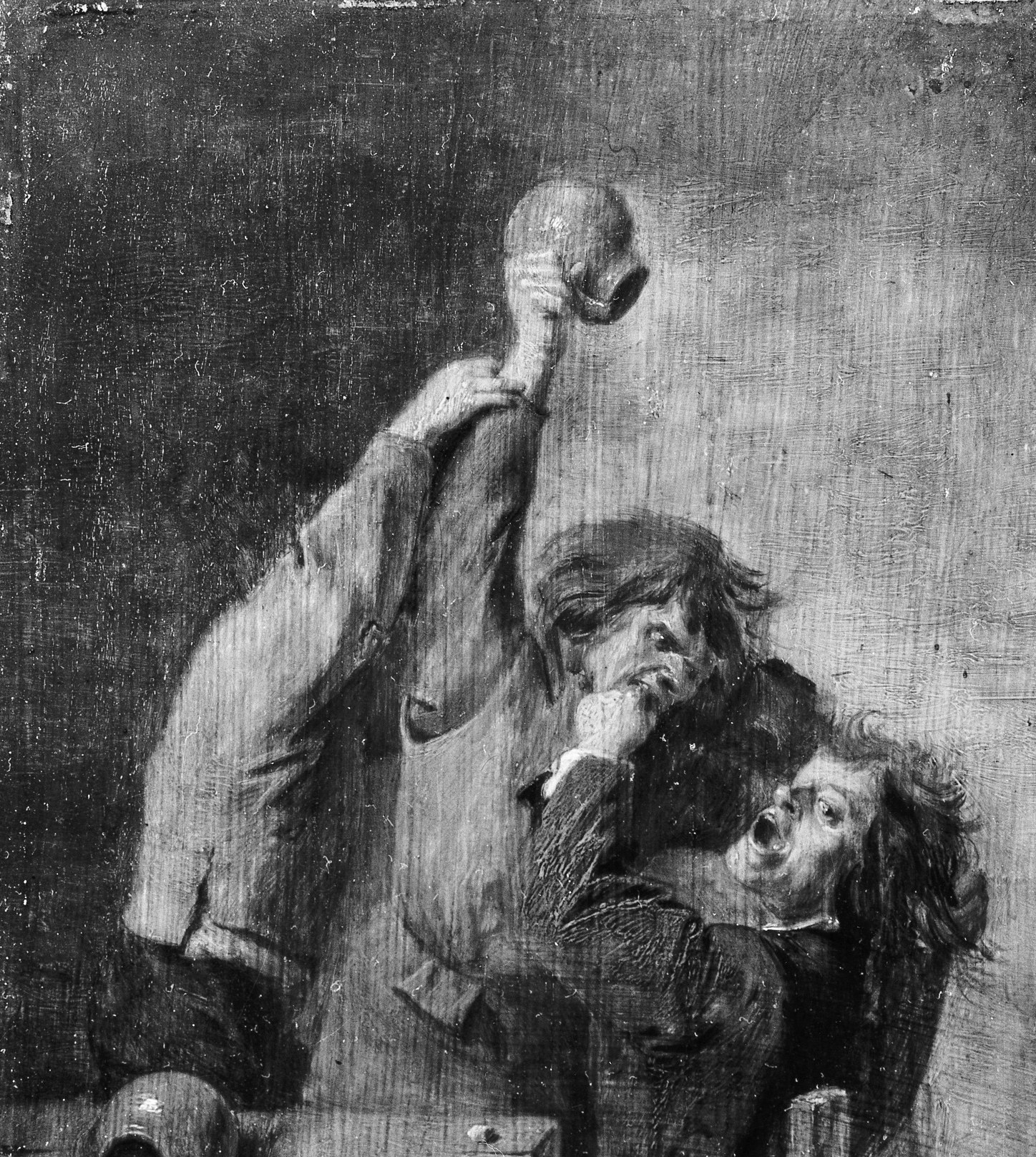
This is The Brawl, painted around 1630 by the Flemish artist Adriaen Brouwer. It hangs in The Metropolitan Museum of Art, and before that it hung in the home of Peter Paul Rubens, who owned it. Rubens, the most famous painter in Antwerp, collected works by a man who painted tavern fights and peasant faces, and he kept this one in his private rooms.
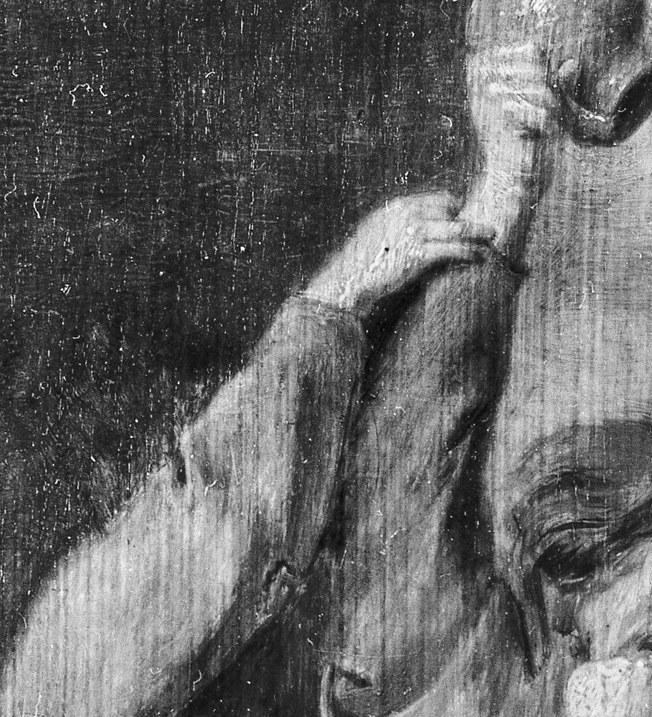
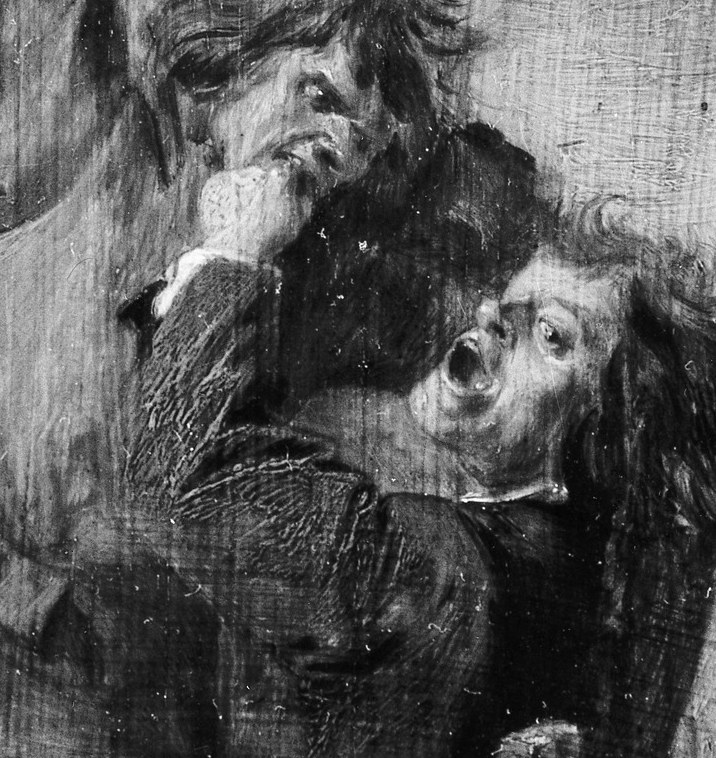
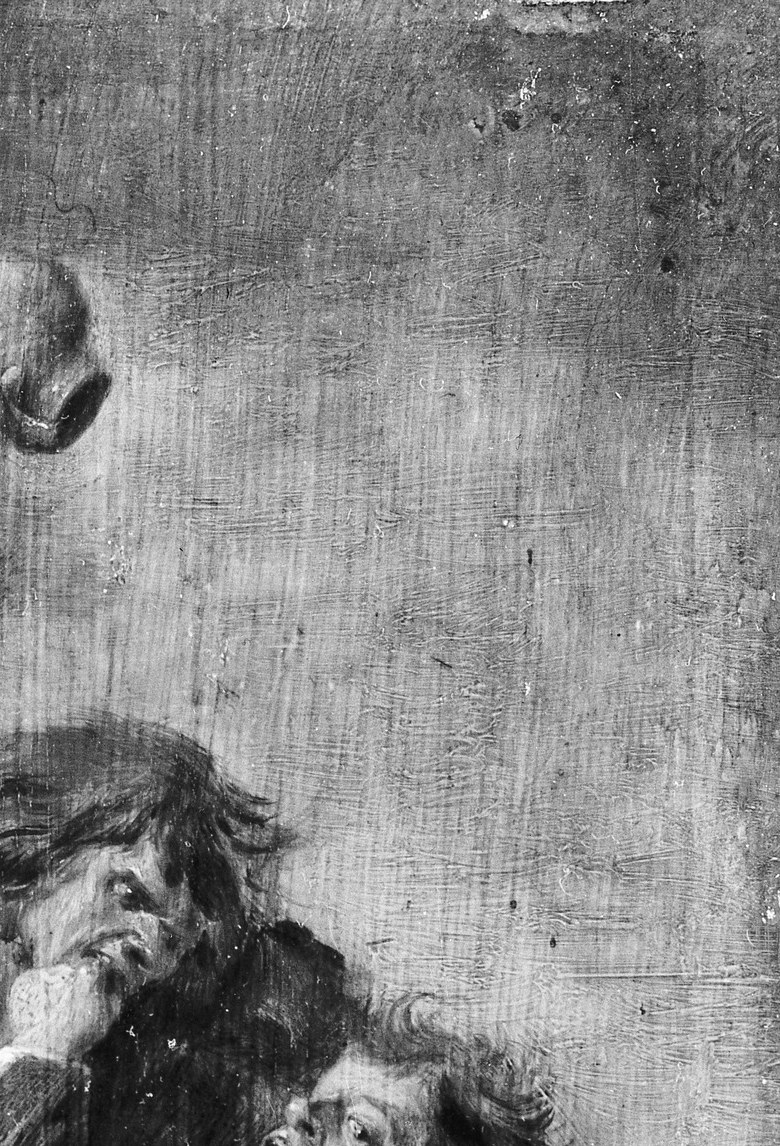
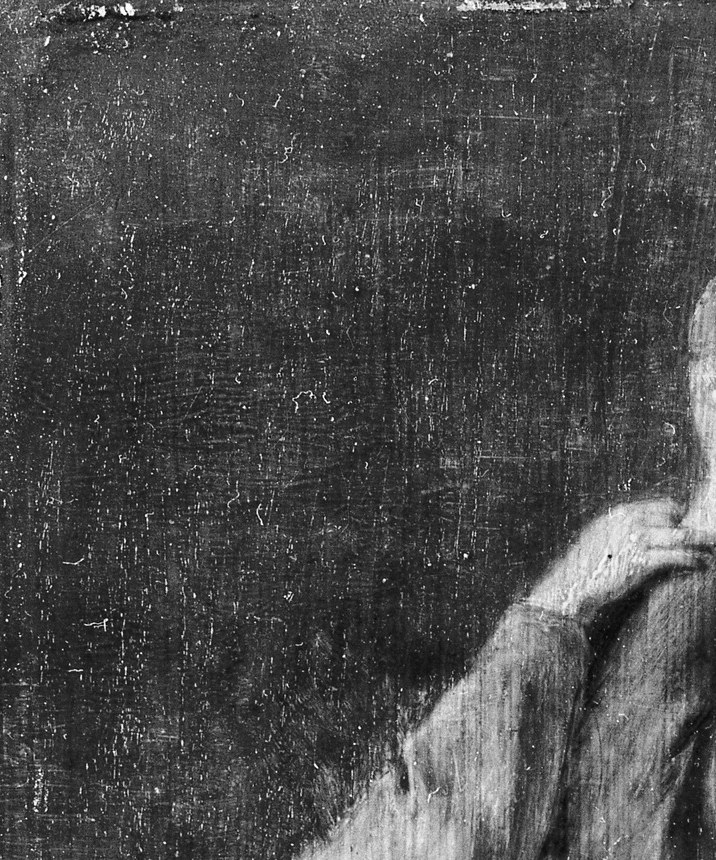
Two men locked in a violent instant. The standing figure grimaces not with rage but with the physical strain of a blow about to land. His victim looks up, mouth open, eyes wide. Brouwer painted both faces with thick, fast strokes, impasto that catches the raking light and makes the skin feel alive and under pressure. The near-total darkness around them isolates the confrontation; there is no escape from this moment.
Brouwer was born around 1605 and died in 1638, barely into his thirties. In those short years he developed a reputation for something almost unprecedented in genre painting: he gave poor, rough, drinking, brawling people interior lives and unguarded emotions. Rembrandt collected his work too. There is no distance or moralizing here, only two men in a dark room and the truth of what their faces do under stress.
What happened the moment after this blow? Brouwer doesn't tell us. He only gives us the moment just before, and that is worse.
Details
Transcript
Peter Paul Rubens owned this painting. He kept it in his private collection until he died. Look at the face of the man about to strike. Not anger. Strain. The effort of violence caught mid-motion. Now the other face. Wide eyes. Open mouth. Rubens collected Brouwer for this: raw feeling, painted fast from life. Brouwer died at 32. The man who painted pain this well knew it himself.