John Tait and His Grandson by Raeburn, Henry, Sir
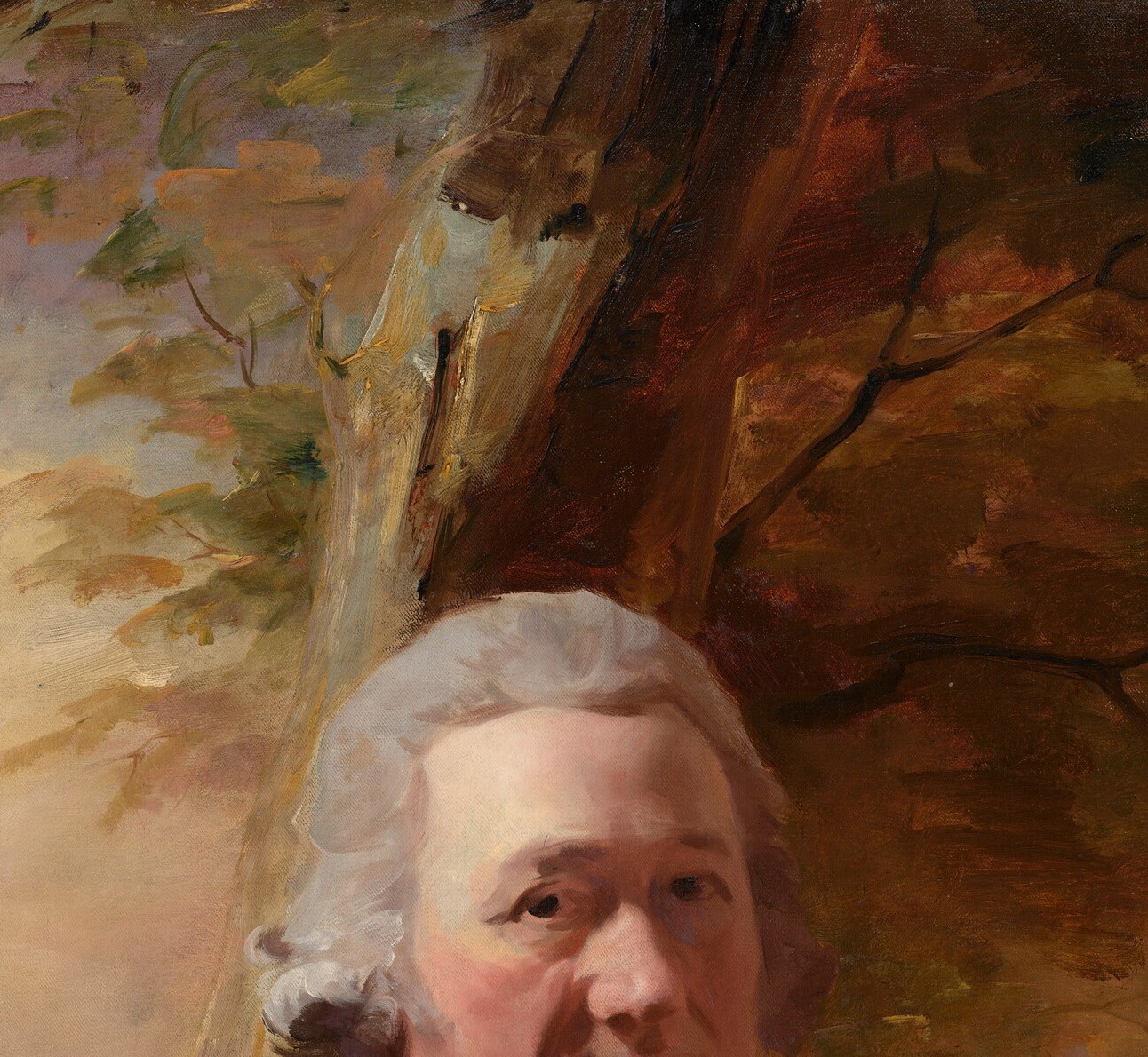
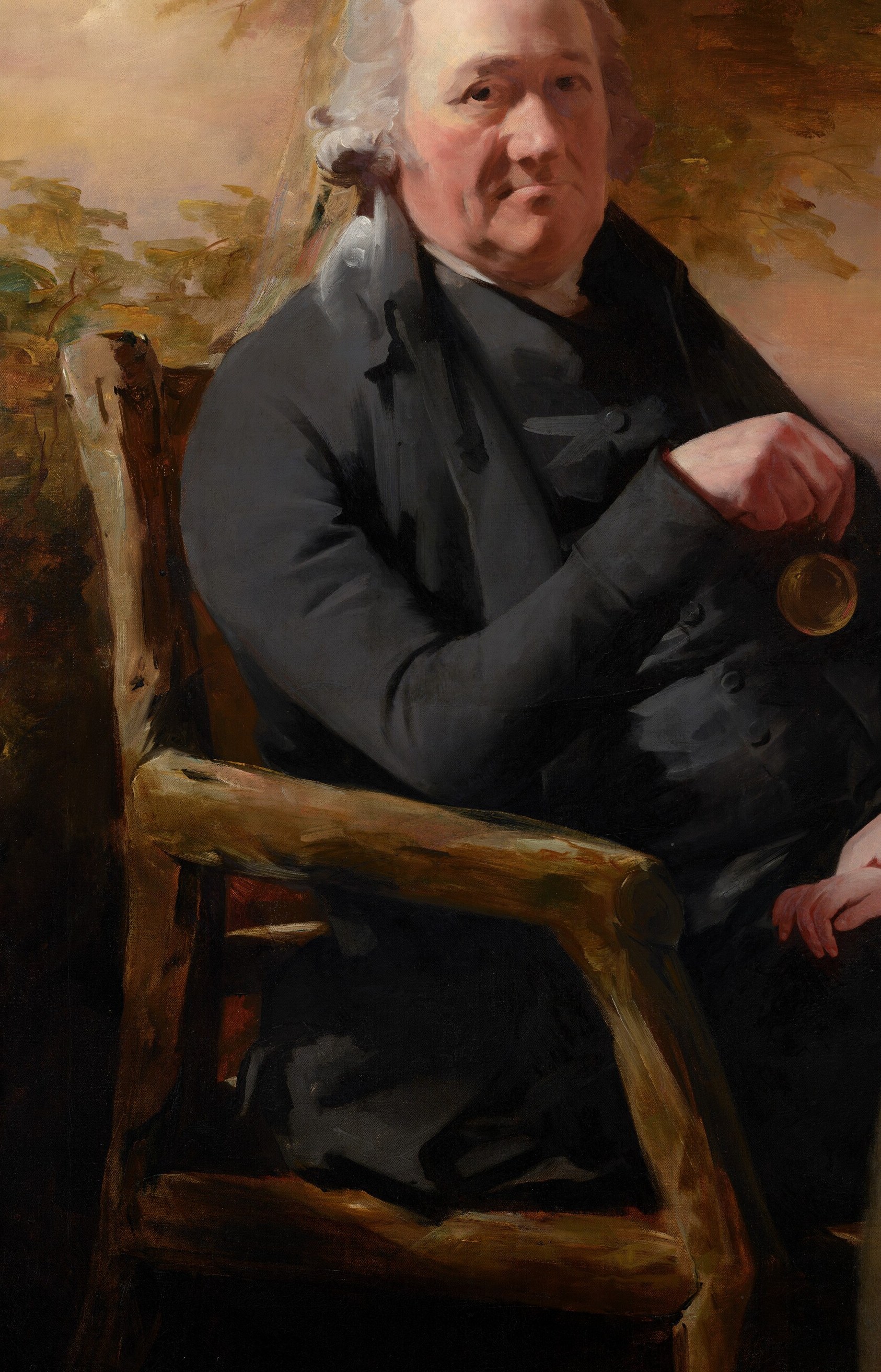
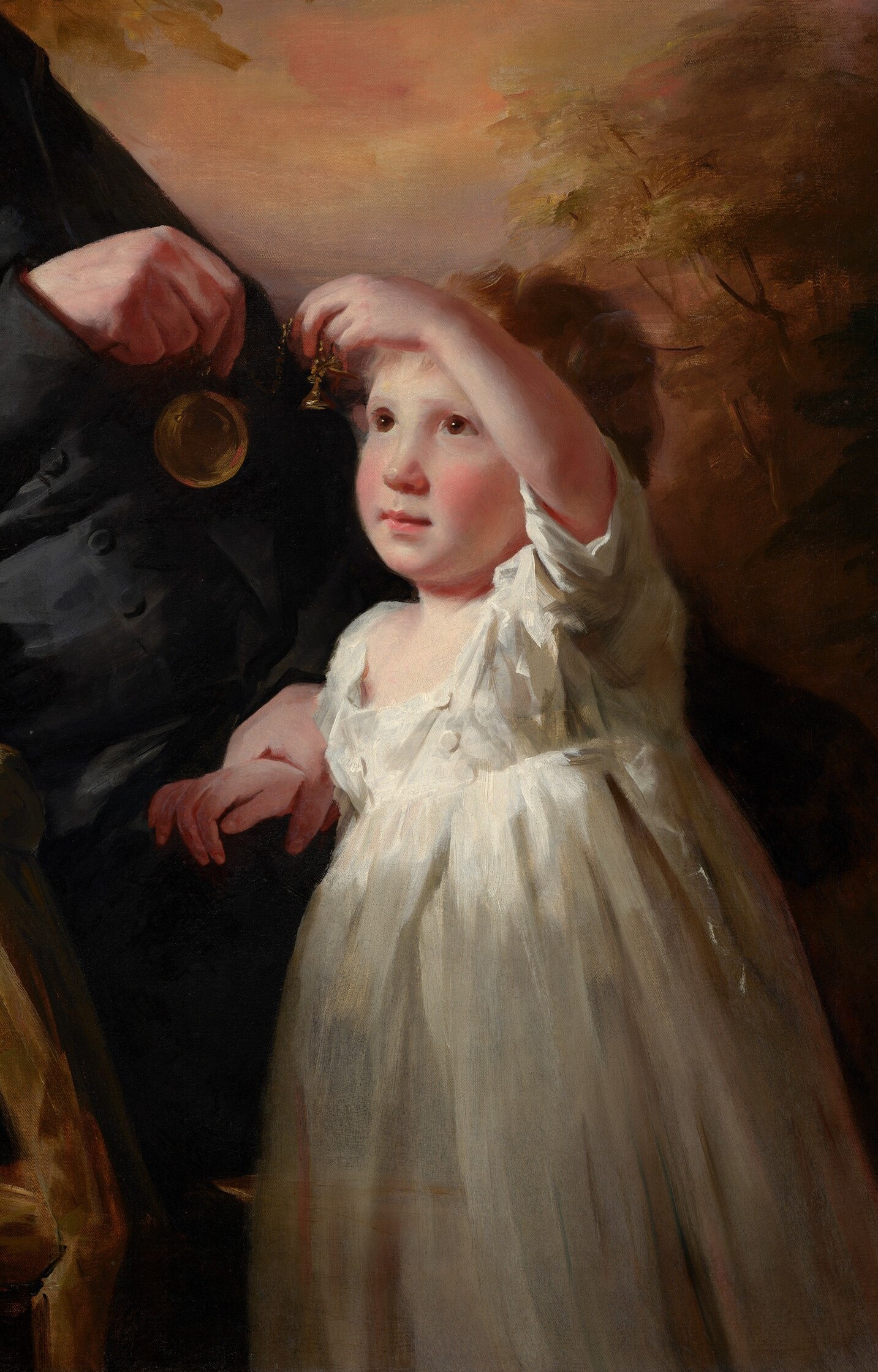
Sir Henry Raeburn's portrait of John Tait and his grandson, painted around 1793, is a masterclass in balancing tenderness with bravura technique. The painting hangs as a quiet testament to familial affection, but it also hides a story of extraordinary professional speed.
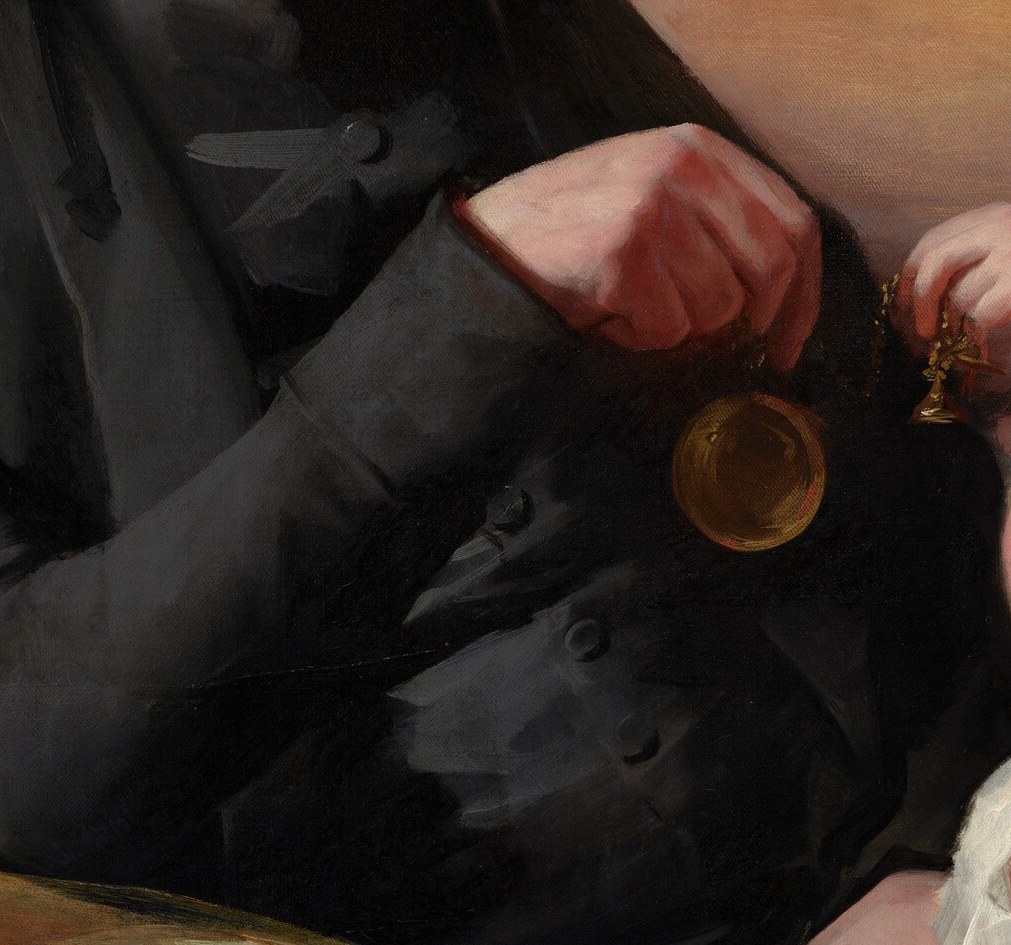
Look first at the connection between the two figures. The child’s soft, upturned face glows against a warm sky-like background, while the grandfather’s hands form the physical and emotional anchor where two generations meet. The crisp white cravat draws your eye up to the elder's jovial face, a study in age rendered without severity.
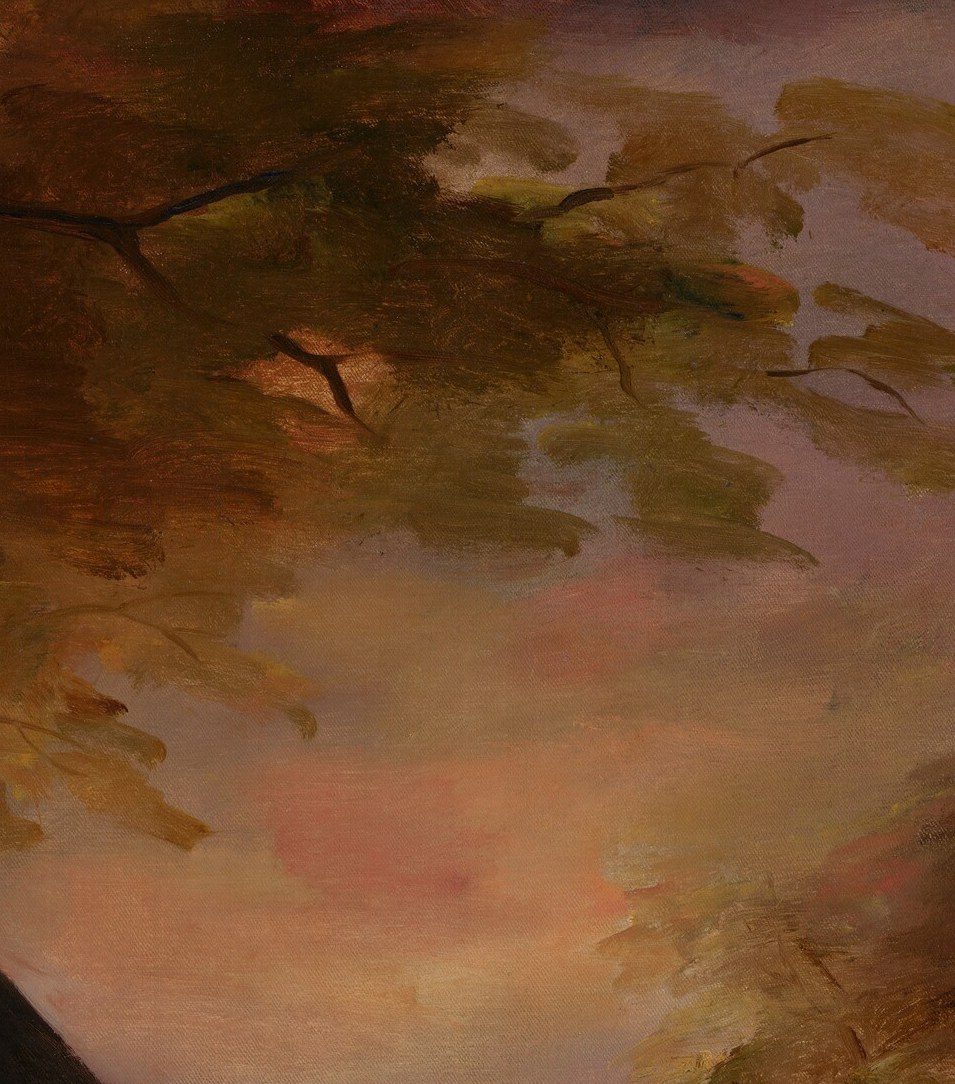
Then, step closer to the dark coat. Raeburn famously painted 'alla prima', directly onto the canvas in a single wet layer without underpainting or glazes. What looks like a solid black mass from a distance is actually a whirlwind of confident, impressionistic brushstrokes. This rapid-fire method allowed him to complete a sitting in hours, fueling a practice that made him the wealthiest and most sought-after portraitist in Scotland’s Enlightenment-era capital.
He captured the life of a nation in its faces, and he did it faster than anyone dared. What do you notice first in the picture, the speed of the paint, or the stillness of the bond?
Details
Transcript
In 1790s Edinburgh, a portrait was a serious contract. John Tait sits for his likeness alongside his grandson. The child's upturned face is the softest passage in the frame. But Sir Henry Raeburn was known for his almost arrogant speed. Look at the coat. It's not labored detail. It's a single, swift performance. He painted wet-on-wet, the brushstrokes still visible today. This directness made him the richest portraitist in Scotland. And it ends here, where the relationship becomes touch.