Mauhees Encampment by Catlin, George
George Catlin, an American lawyer and painter, dedicated his career to documenting Native American life on the American frontier in the 1830s. His work, like “Mauhees Encampment,” painted around 1862, offers a vital glimpse into a disappearing world. This oil on card, mounted on paperboard, is housed in a prominent collection, reflecting its historical significance.
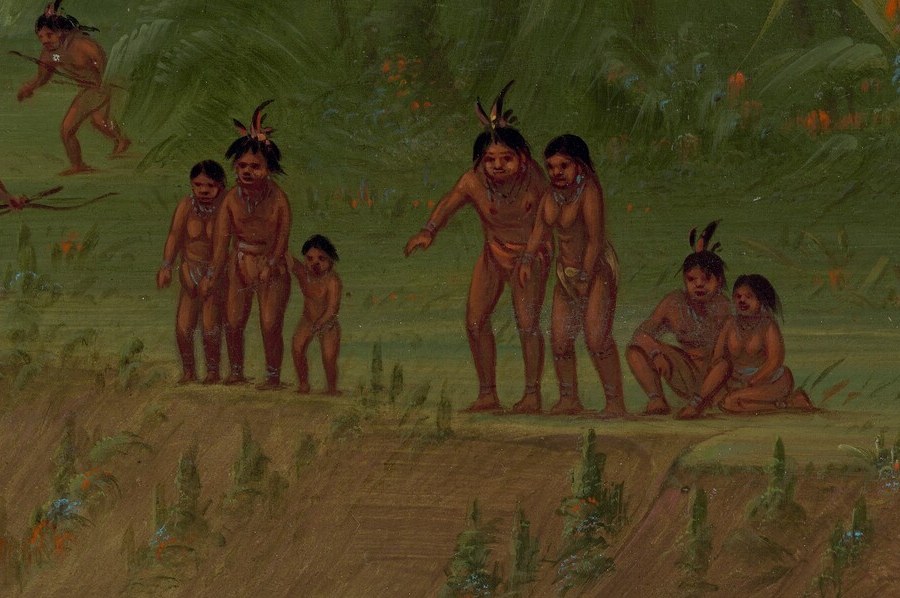
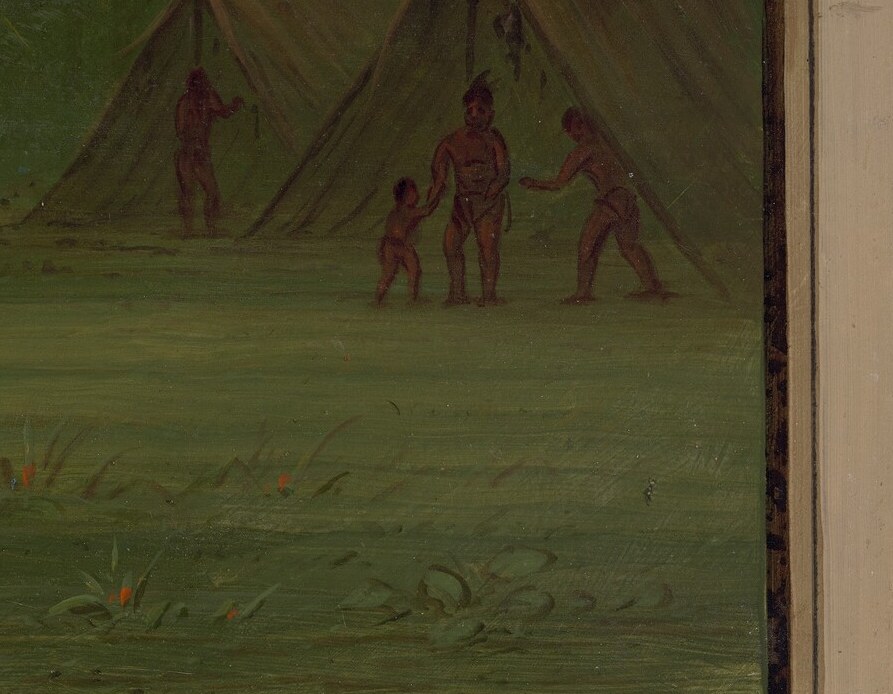
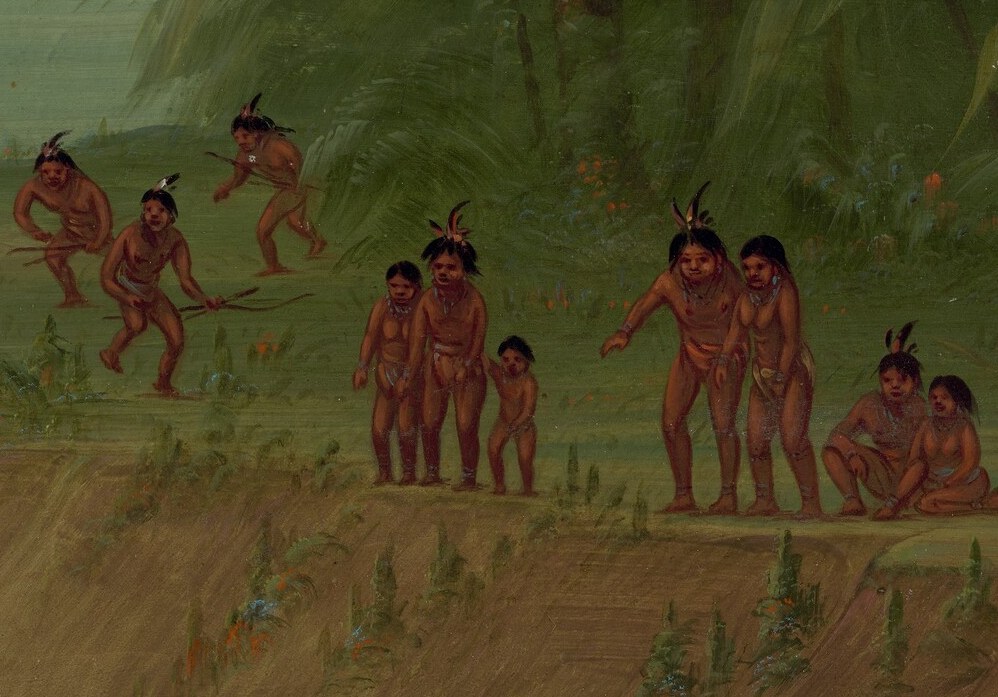
In “Mauhees Encampment,” observe the central group of figures and the tent structures, which signify the temporary, nomadic lifestyle of the community. The horses are not merely background elements; they represent the essential mode of transport and a key to survival for these Plains Indian communities.
Catlin embarked on five expeditions to the American West, producing numerous portraits and detailed accounts. His art aimed to record the customs, daily routines, and environments of indigenous peoples, serving as an ethnographic record through painting. His dedication to capturing these moments before they vanished made his work a crucial part of American regionalist painting.
Catlin’s commitment to documenting these cultures left an invaluable artistic and historical legacy. What insights do you gain from seeing such a vibrant, historical scene?
Details
Transcript
This painter documented American frontier life in the 1830s. He traveled the American West five times, observing everything. This painting captures a Native American encampment. The tent structures symbolize temporary shelter and nomadic life. Horses were essential for travel and survival on the plains. Catlin aimed to record their customs and environment through art. His work captured a way of life that was rapidly changing.