Hunting a Goat by Paulus Potter
Paulus Potter, a Dutch master, painted "Hunting a Goat" around 1650, capturing a tense moment in the natural world. This oil painting, part of the State Hermitage Museum's collection, is a prime example of his dedication to animal-focused landscapes.
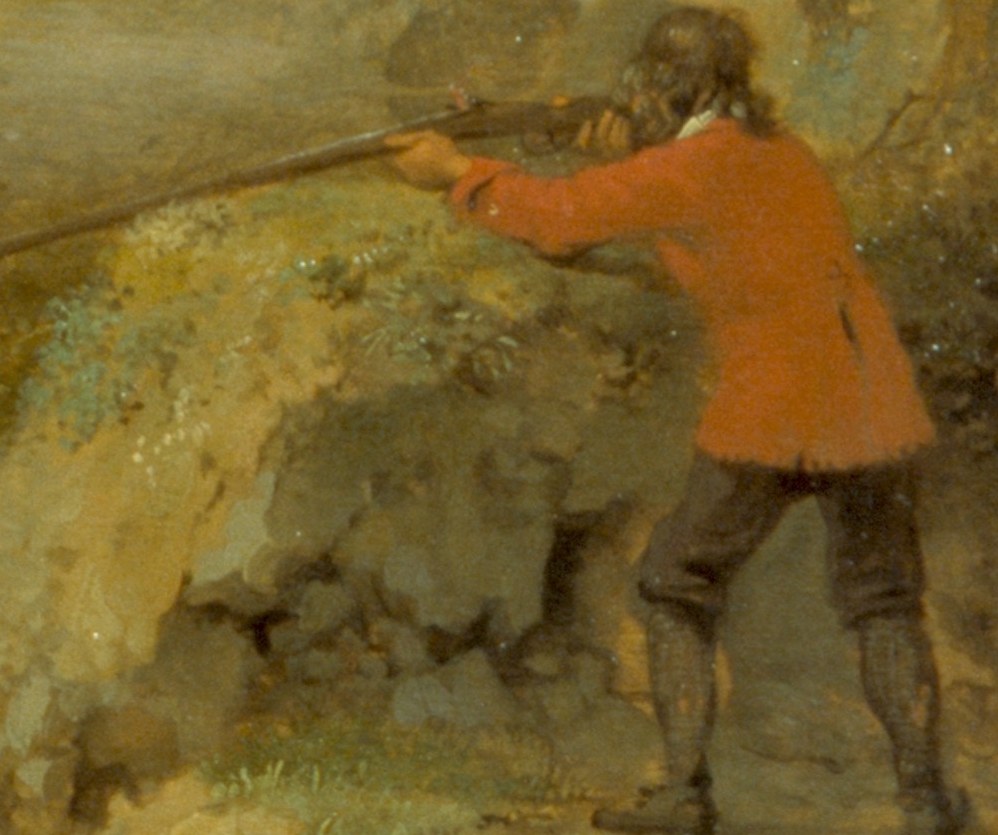
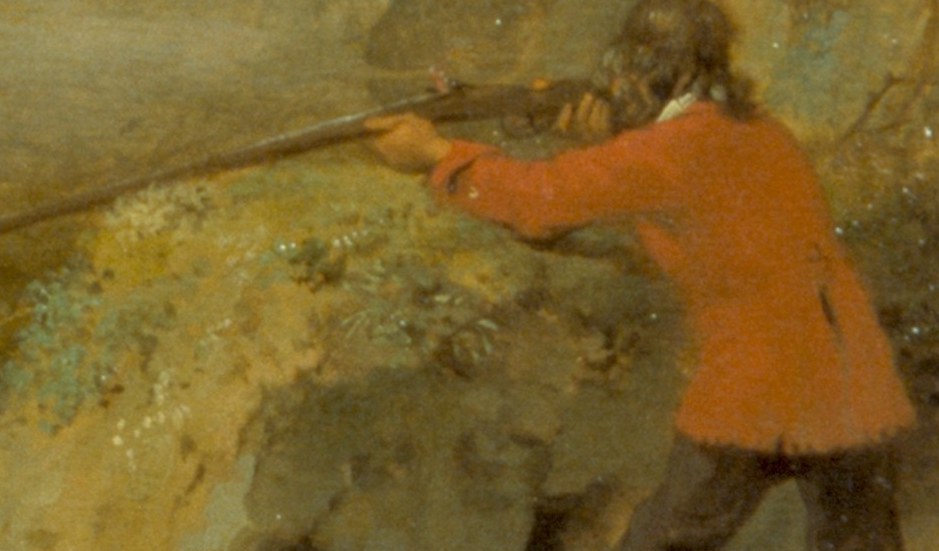
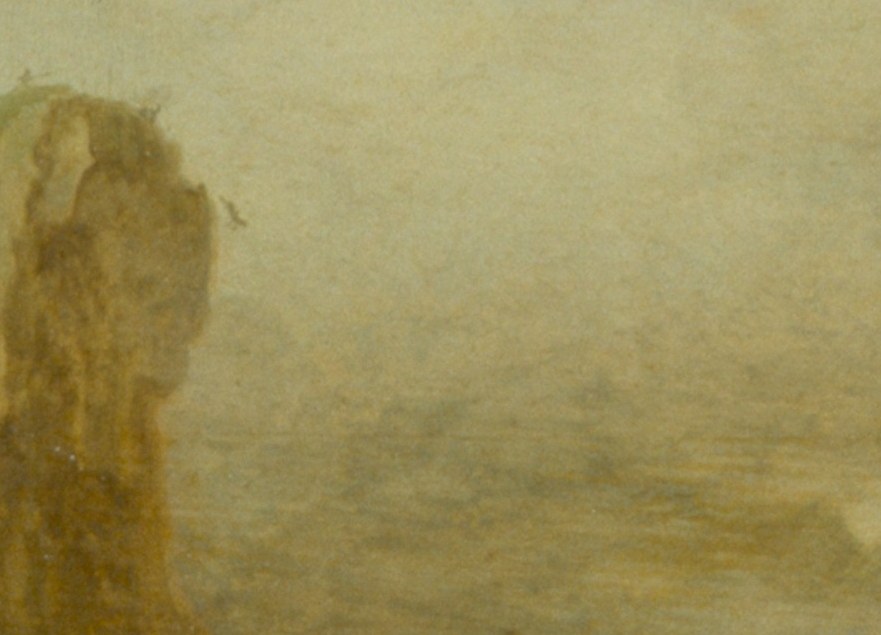
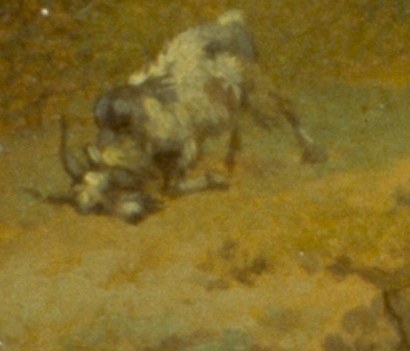
Observe the hunter, a striking figure in his bright orange shirt, aiming his rifle at a goat perched precariously on a rocky ledge. The scene, framed by sparse trees and distant cliffs, speaks to the vastness of nature and humanity's place within it.
Potter, who produced roughly one hundred works before his untimely death from tuberculosis at the age of 28, specialized in genre scenes depicting rural life. His attention to detail and ability to convey narrative through animal subjects earned him lasting acclaim in the Dutch Golden Age.
This painting invites us to reflect on the delicate balance between humanity and the wild. What do you see in their encounter?
Details
Transcript
This painter was a master of animals and landscape. The hunter aims his rifle at a goat on a perilous ledge. His bright orange shirt highlights his human presence. The distant cliffs show the vastness of nature. The painter died young, at just 28, of tuberculosis. His intense focus embodies humanity's struggle with nature.