Jean Jacques Caffieri (1725–1792) by Jean-Baptiste Greuze
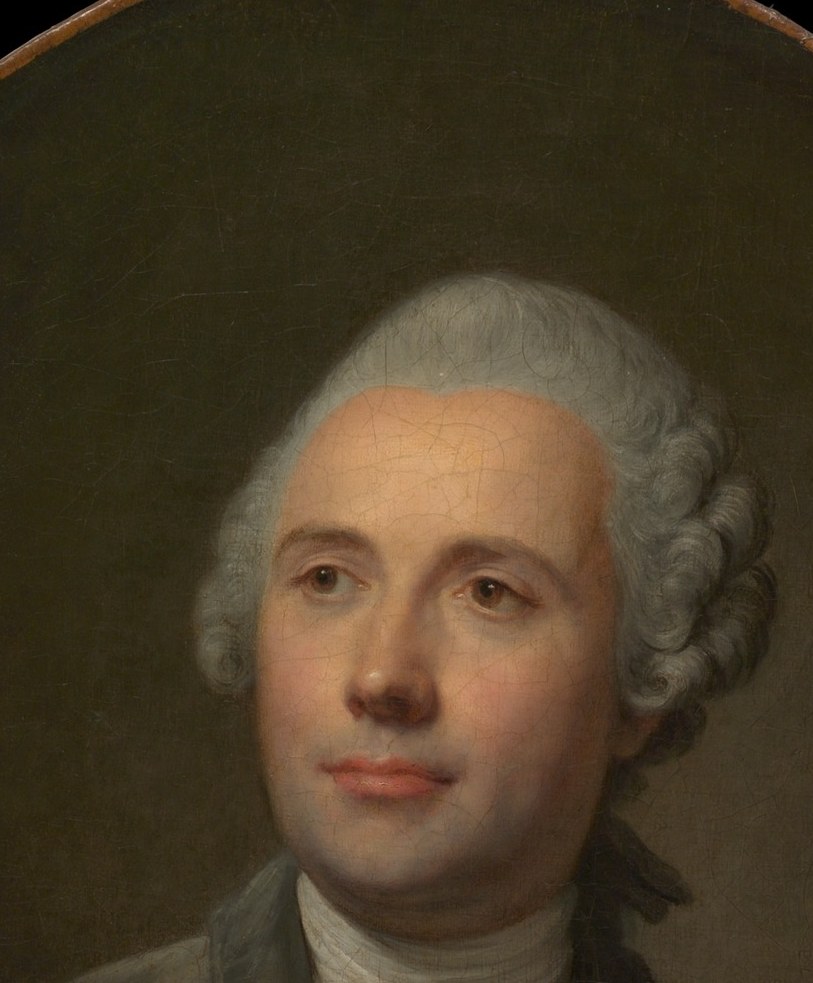
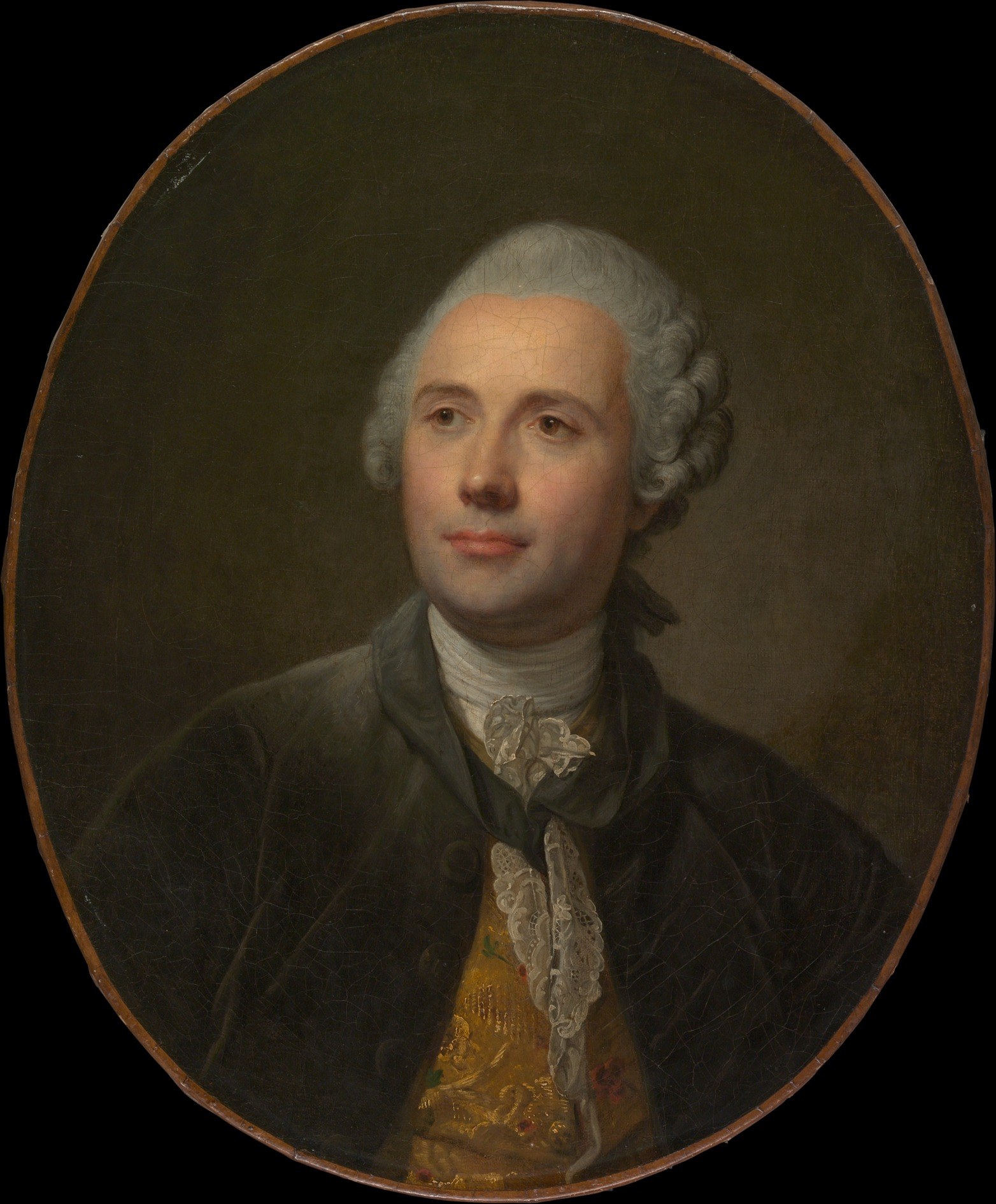
Jean-Baptiste Greuze painted this portrait of the sculptor Jean Jacques Caffieri in 1763, and the Metropolitan Museum of Art holds it today. It is a quiet document of mutual respect between two Enlightenment artists at the height of their powers.
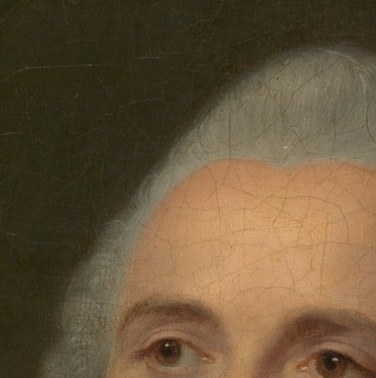
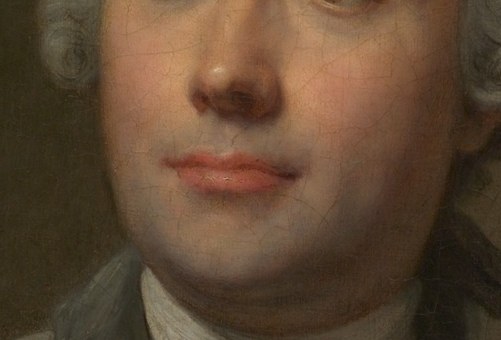
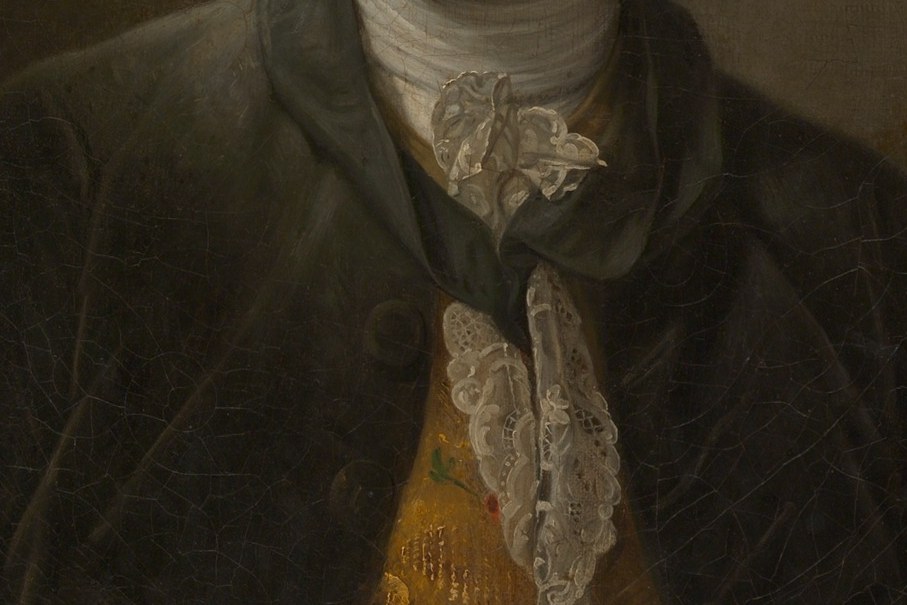
Look first at the face. Greuze was famous for bringing sitters to life, and here he gives Caffieri a catchlight in the right eye and a mouth just slightly parted, the expression of a man caught mid-thought. The gold waistcoat and powdered wig are not costume; they are the uniform of a successful academician who moved comfortably through Parisian intellectual circles.
Caffieri made his name carving portrait busts of the era's defining figures, including Voltaire, Rousseau, and Benjamin Franklin. When Greuze painted this, Caffieri was in his late forties and firmly established. The painted oval framing device echoes the form of a sculpted marble medallion, a clever visual nod to the sitter's own profession.
The portrait is less a formal commission than a conversation between two careers. Greuze, who wanted to be taken seriously as a history painter, here shows why he was one of the finest portraitists of his generation: he understood that a face holds a whole life.
Details
Transcript
Paris, 1763. The Enlightenment is in full swing. This man shaped the faces of its greatest minds. He sculpted Voltaire. He sculpted Franklin. He knows exactly who he is, and who he represents. The gold brocade is not vanity. It is a credential. The oval frames him like one of his own portrait busts. A sculptor of men, preserved by a painter who knew how to read a face.