Fruit Still Life with Oysters by Cornelis de Heem
Cornelis de Heem's "Fruit Still Life with Oysters" from 1673 is more than just a beautiful arrangement of food; it's a 'vanitas' painting, filled with symbolic objects. This genre in Dutch Golden Age art used everyday items to convey profound messages about the transient nature of life and the vanity of material possessions.
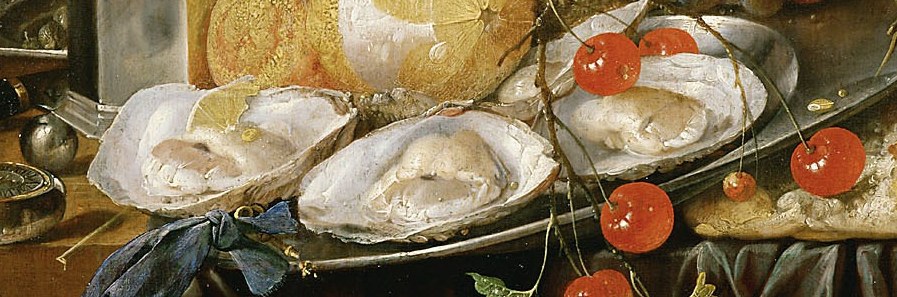
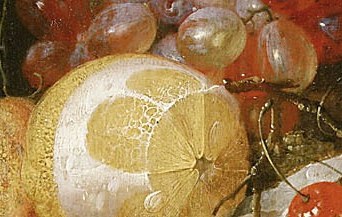
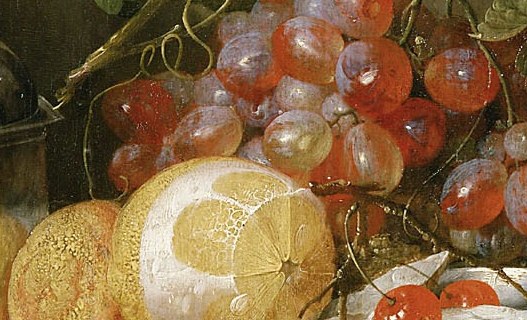
Take a closer look at the glistening oysters and the ripe fruit. While they celebrate abundance and sensory delight, they also carry deeper meanings. The luxurious oysters symbolize temptation, while the lemon, often paired with seafood, adds a touch of bitterness, reminding us of life's complexities.
The inclusion of a pocket watch is a classic 'vanitas' motif, a memento mori, urging viewers to reflect on the swift passage of time and the inevitability of death. These elements collectively form a coded message, encouraging contemplation of mortality amidst the beauty of the world.
What other hidden symbols do you think might be in this painting?
Details
Transcript
This 1673 painting seems to show a simple feast. But look closer, there are hidden meanings everywhere. These oysters, then a luxury, represent temptation and sensual pleasure. The sliced lemon adds a bitter note, symbolizing life's fleeting sweetness. Hidden in the background, a pocket watch reminds us time passes quickly. It’s a coded warning: earthly pleasures are temporary.