The Nativity with the Infant Saint John by Piero di Cosimo
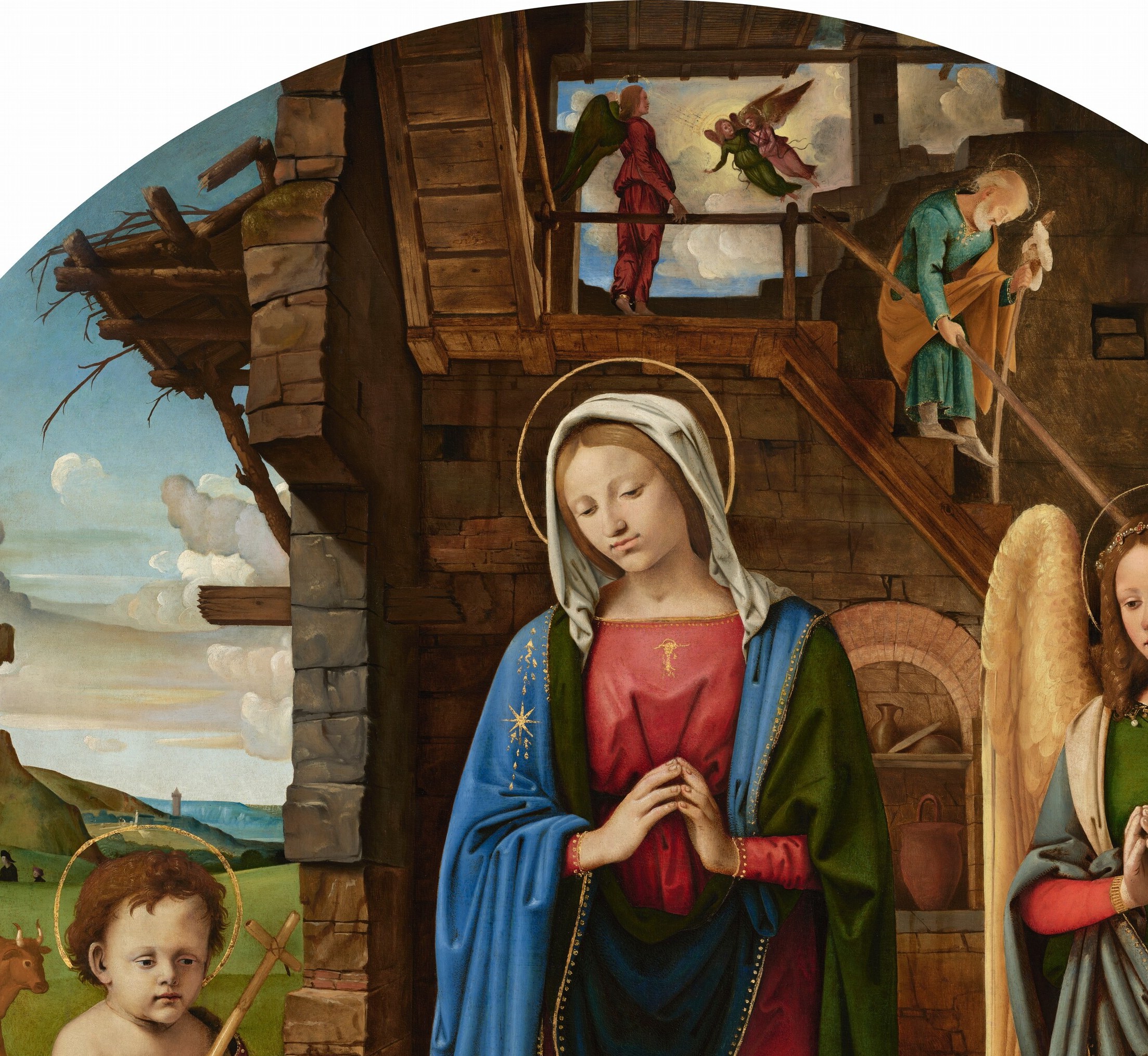
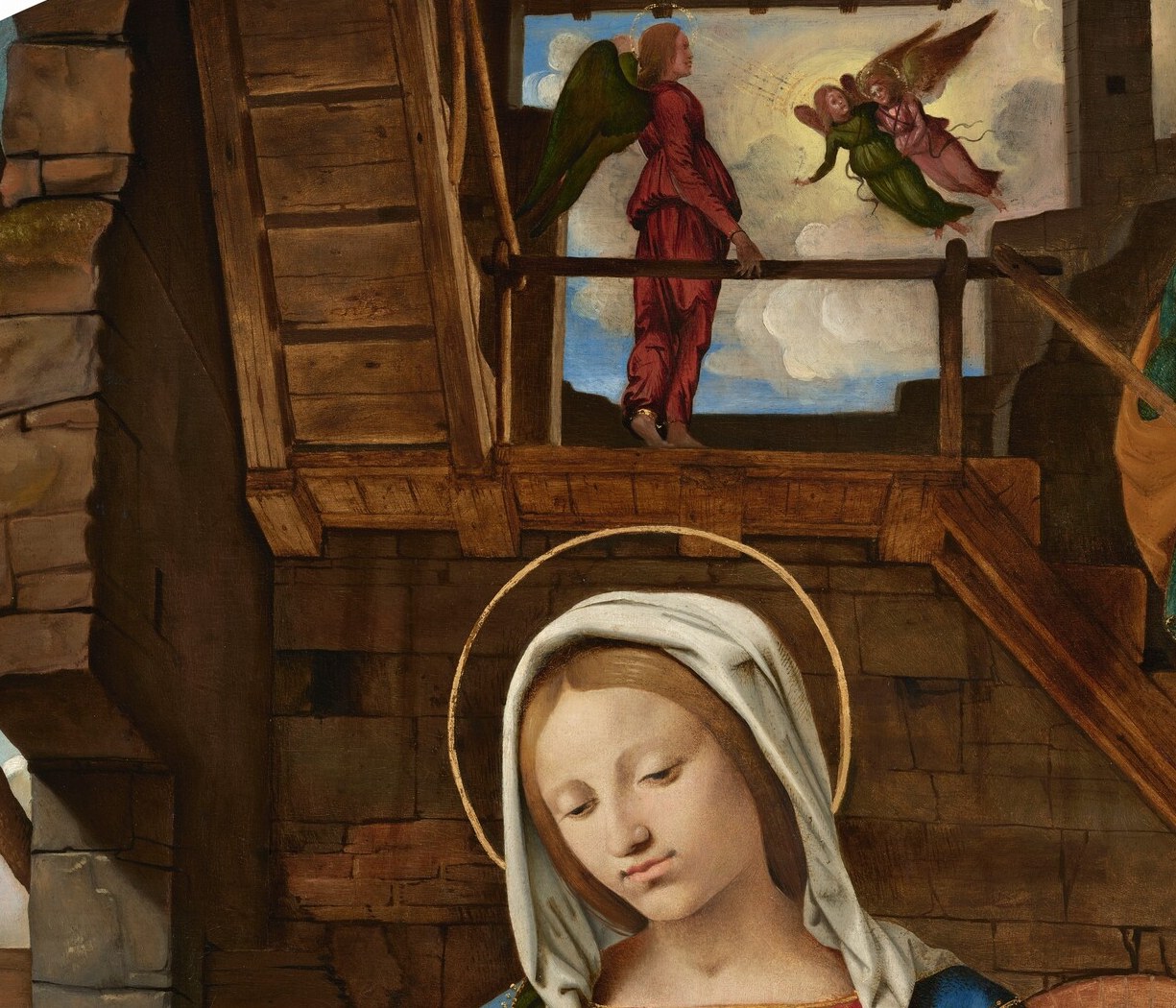
This is Piero di Cosimo's 'The Nativity with the Infant Saint John,' painted in Florence around 1500. During the German occupation of Italy in 1943, many private art collections were hidden to protect them from confiscation. This painting was sealed behind a false basement wall in a Tuscan villa, where it waited out the war in darkness.
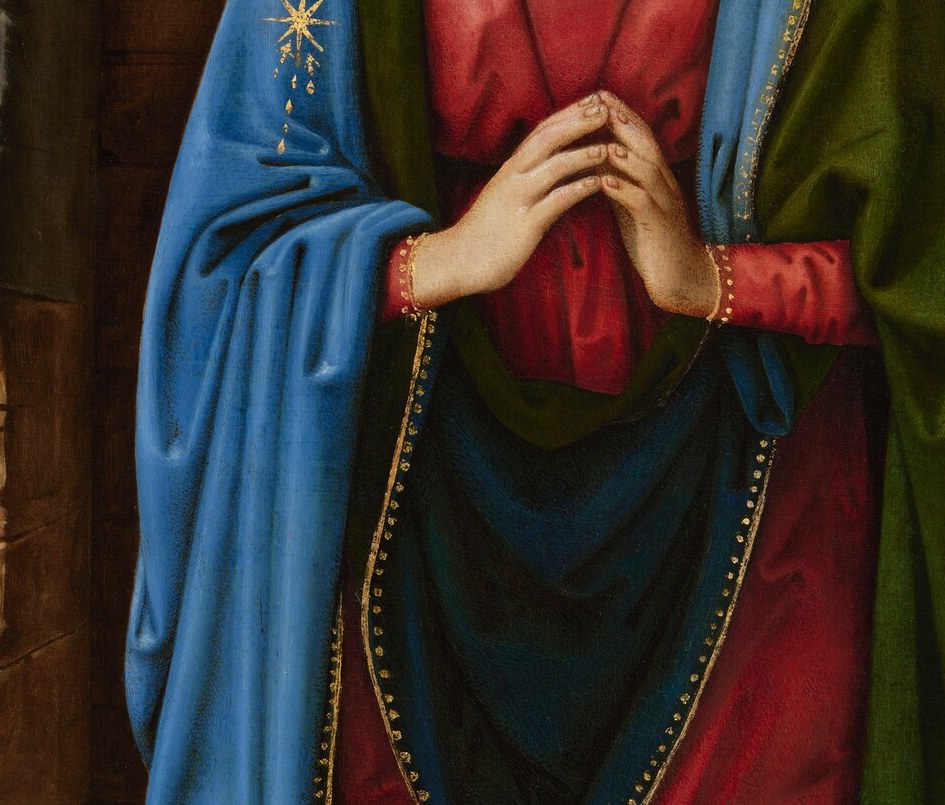
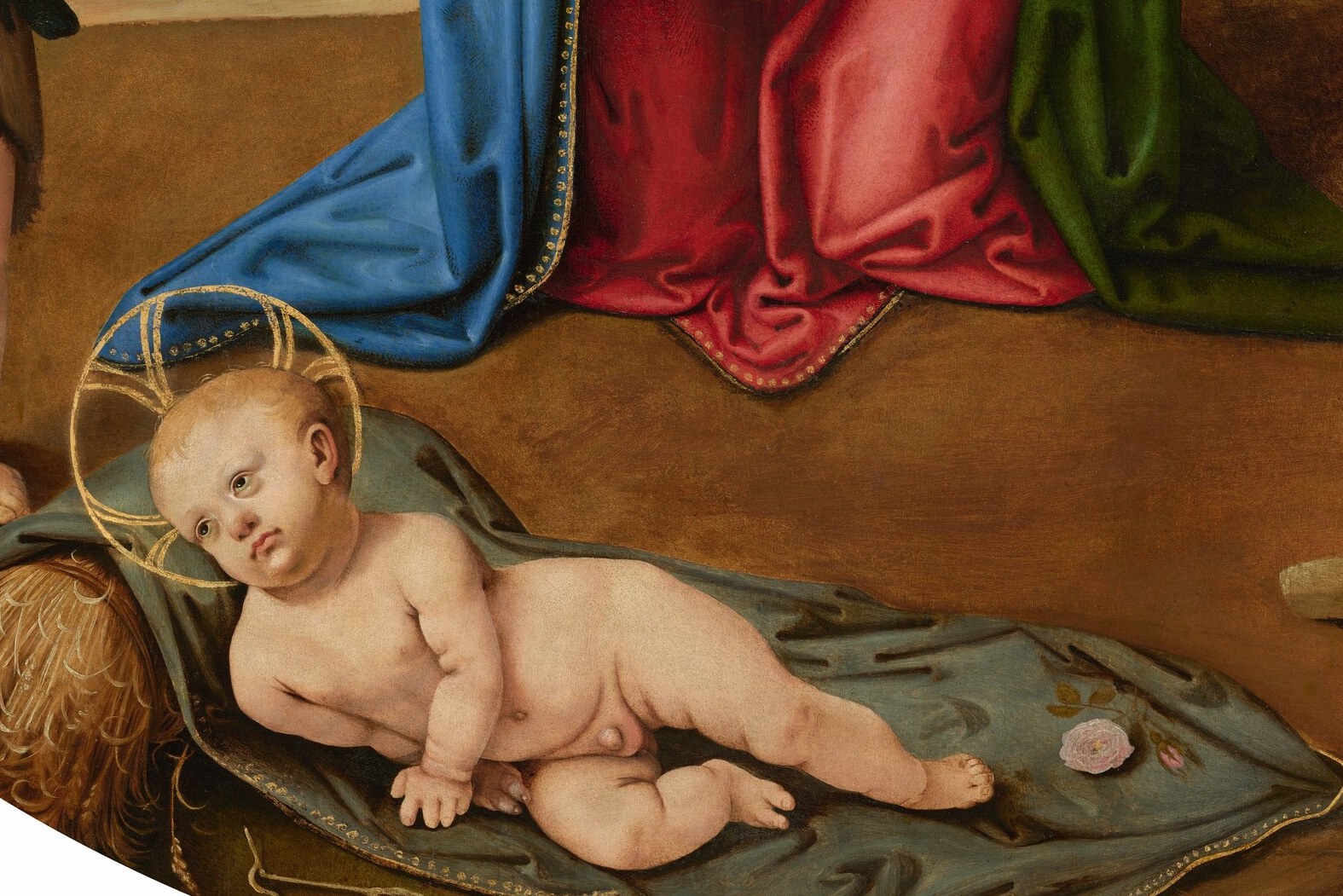
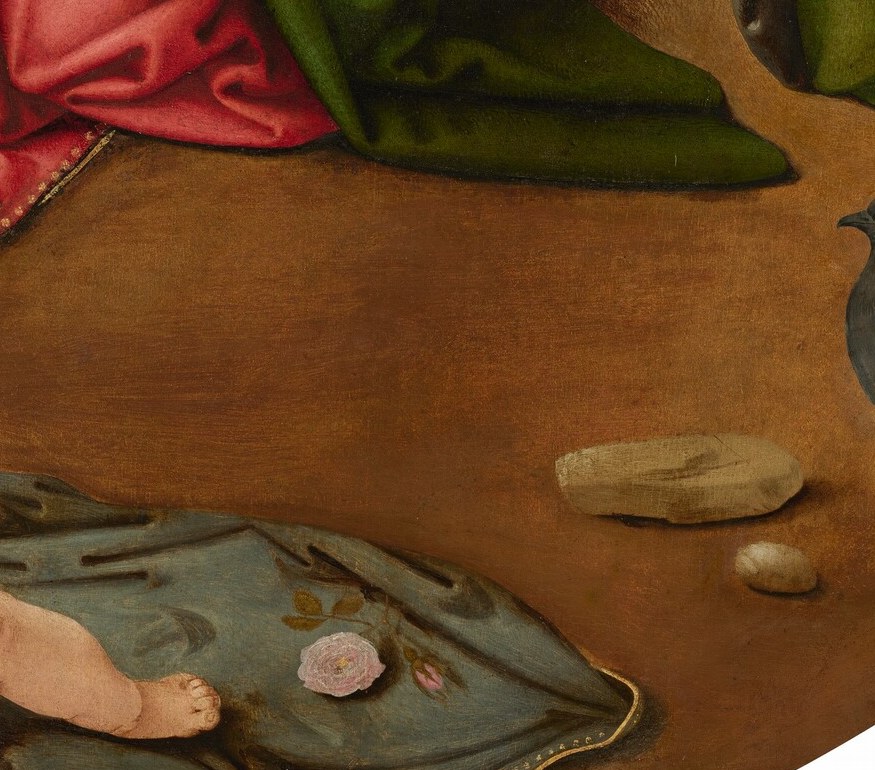
Even without its wartime story, the painting rewards close looking. Mary's hands are folded in prayer rather than reaching for her child, a devotional posture that feels unusually reserved for a Nativity. The Christ Child lies directly on the bare earth, a deliberate Franciscan motif of humility. And on the ground beside him sits a small white dove, a quiet signal of the Holy Spirit that completes a Trinitarian scene.
Piero di Cosimo was a Florentine eccentric who outlived his Early Renaissance training into the age of Leonardo and Raphael. He never fully adopted the High Renaissance manner, preferring a delicate, almost storybook sensibility. He was also famously obsessed with birds and animals, and his careful rendering of plumage and pastoral details here is typical of his work.
A painting of sacred stillness that survived one of the least still moments in modern history. Next time you see a Renaissance Nativity, check the ground. Piero almost always hid something there.
Details
Transcript
Florence, 1943. The city is occupied. A villa owner receives a tip: German officers are coming. This painting disappears into a basement behind a false wall. Look at her hands. They don't hold the child. They are pressed in prayer. She keeps a sacred distance. The Christ Child lies on bare earth. Not a manger. Piero di Cosimo painted a dove on that same bare ground. The painting survived the war. It hangs in public today.