Portrait of a man by Jacob Levecq
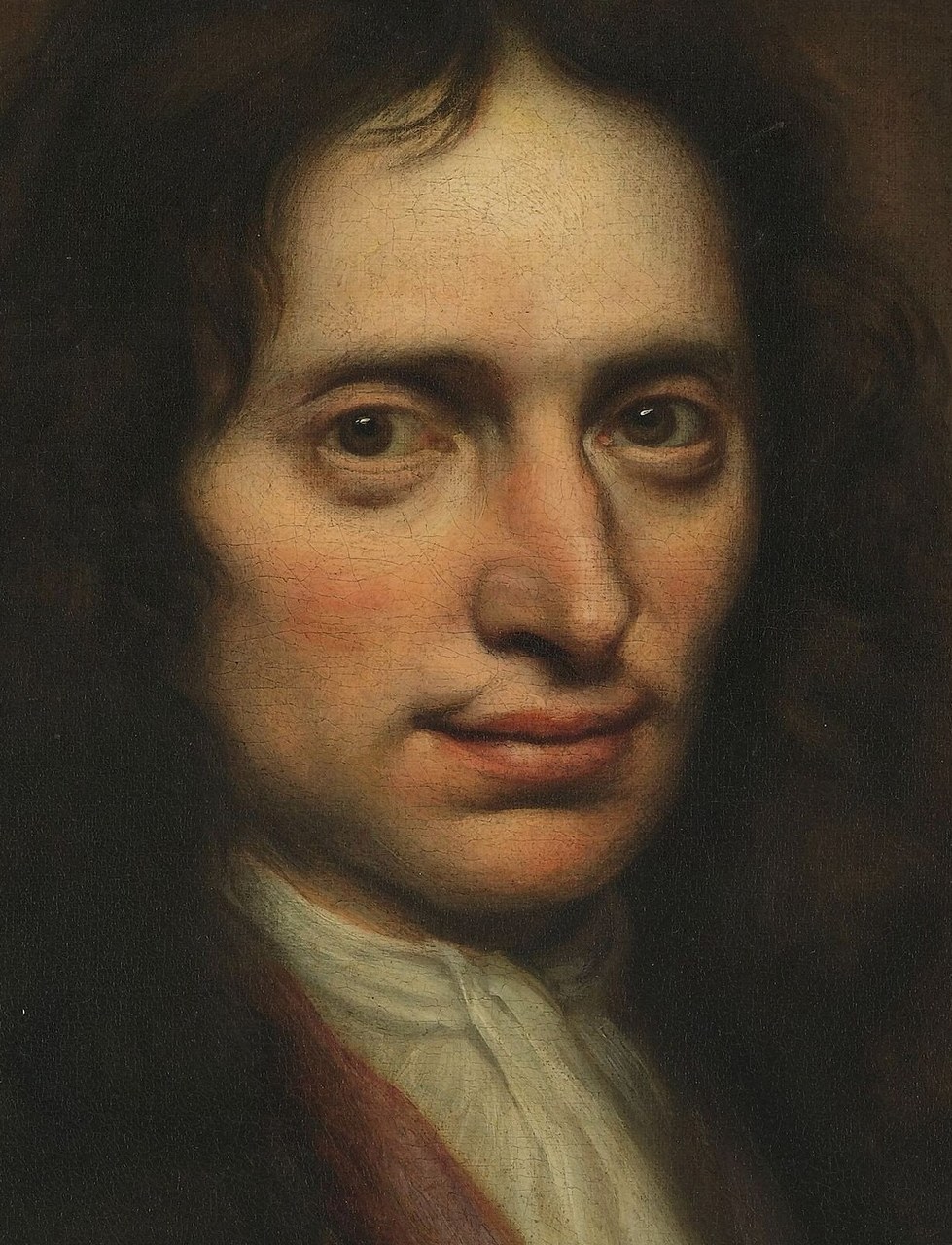
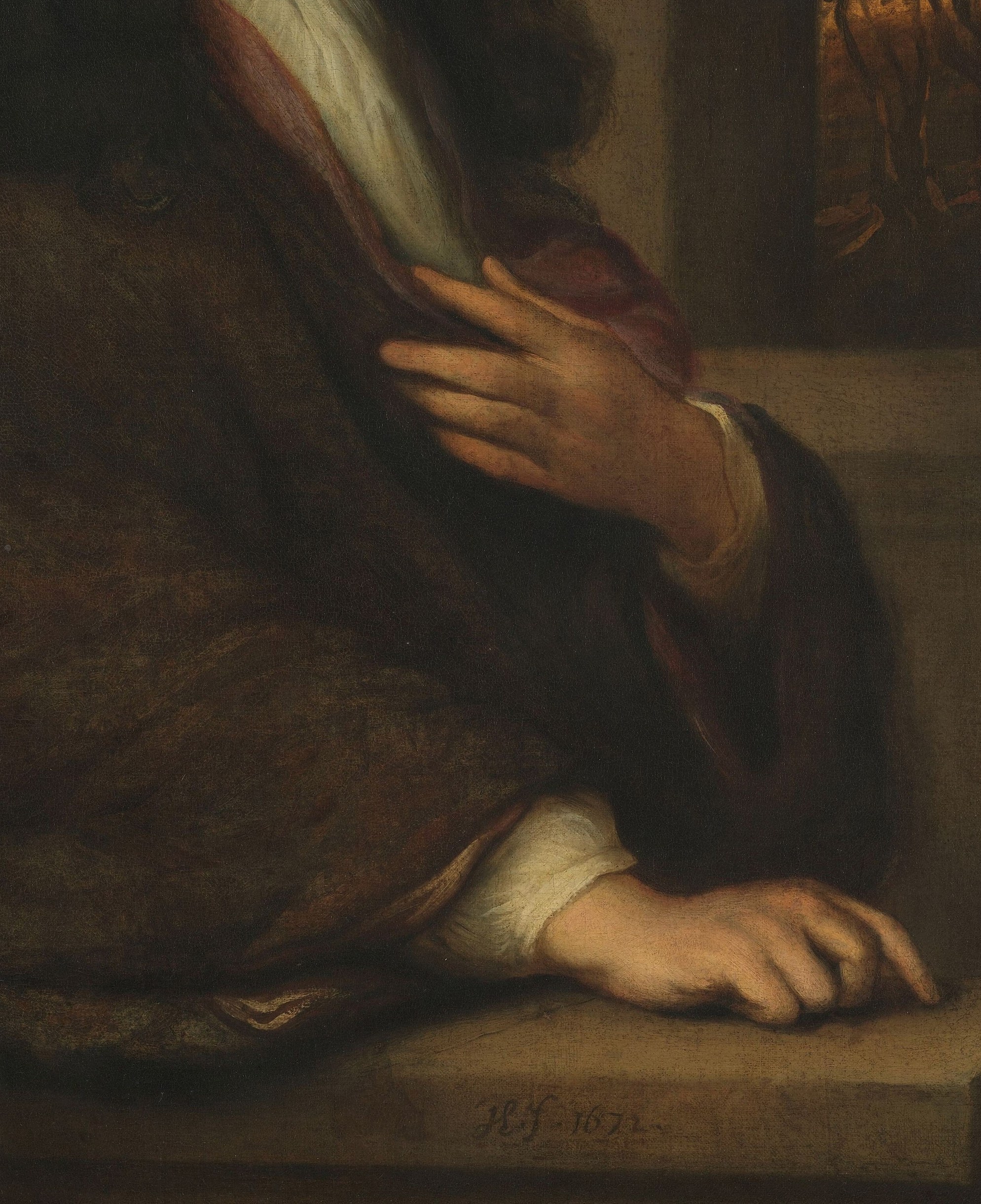
Jacob Levecq's Portrait of a Man, painted in 1672 and now at the Rijksmuseum, showcases the profound influence of his teacher, Rembrandt.
Levecq expertly uses chiaroscuro, a technique of strong contrasts between light and dark, to bring the sitter's face into sharp focus. Notice the subtle highlights on his left eye and the way his chin rests on his hand, suggesting deep contemplation.
Levecq, born Jacques L'Evesque, was a Dutch Golden Age painter who studied under the renowned Rembrandt. This portrait, created in his mature period, reflects the dramatic lighting and introspective mood characteristic of his master's work. The painting has moved through various private collections before finding its home in the Rijksmuseum.
It's fascinating to see how a master's style can be so clearly echoed and developed by a talented student.
Details
Transcript
This man's intense gaze captures you, but who painted him? The painter was Jacob Levecq, a student of Rembrandt. Levecq learned chiaroscuro, the use of light and shadow, from his master. See how light defines his features, isolating him from the dark. He captures a quiet, introspective mood, a Rembrandt hallmark. Levecq signed and dated this work in 1672, his mature period.