Portrait of Hortense Mancini by Henri Gascar
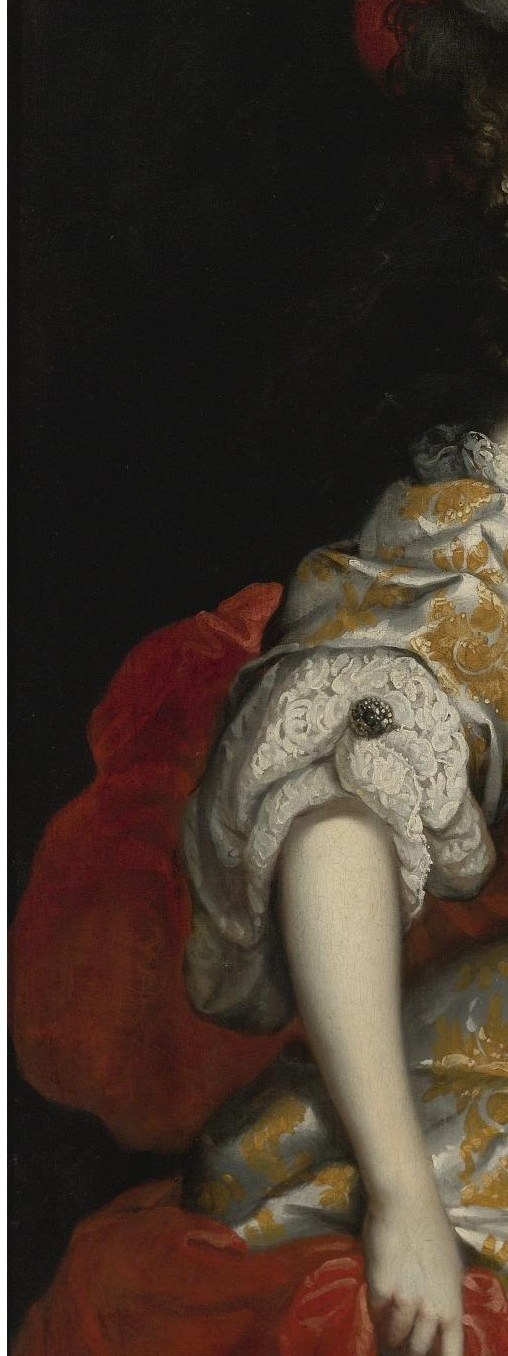
This is Henri Gascar's *Portrait of Hortense Mancini*, painted in 1665 and now in the collection of The Metropolitan Museum of Art. The sitter was far more than a poised face in a feathered headdress, she was the niece of Cardinal Mazarin, the chief minister of France, and a woman whose escape from a violent marriage made her one of the most famous figures to land at Charles II's court.
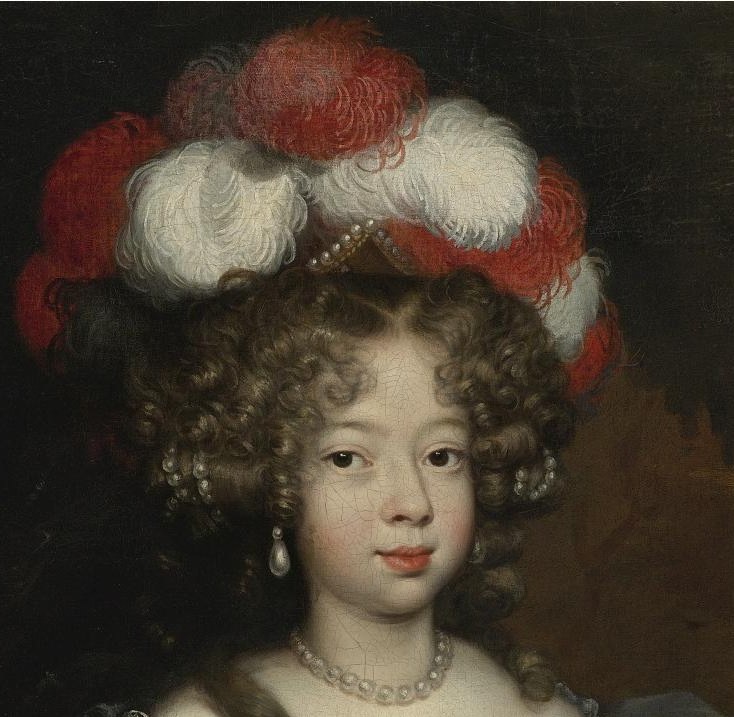
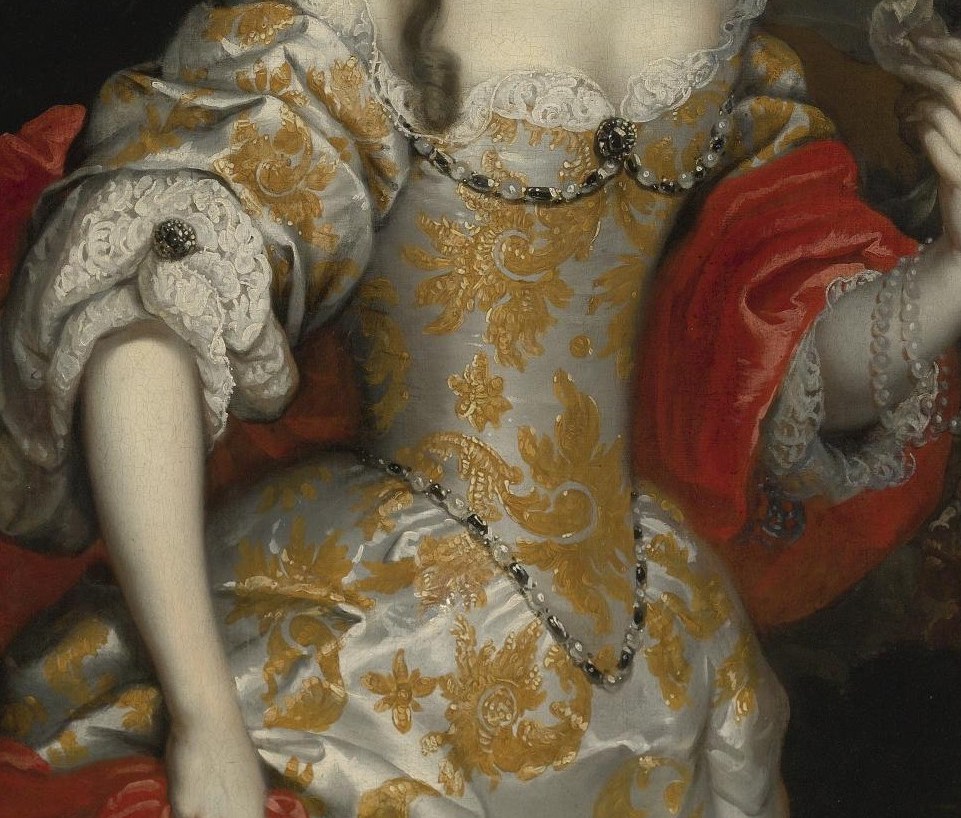
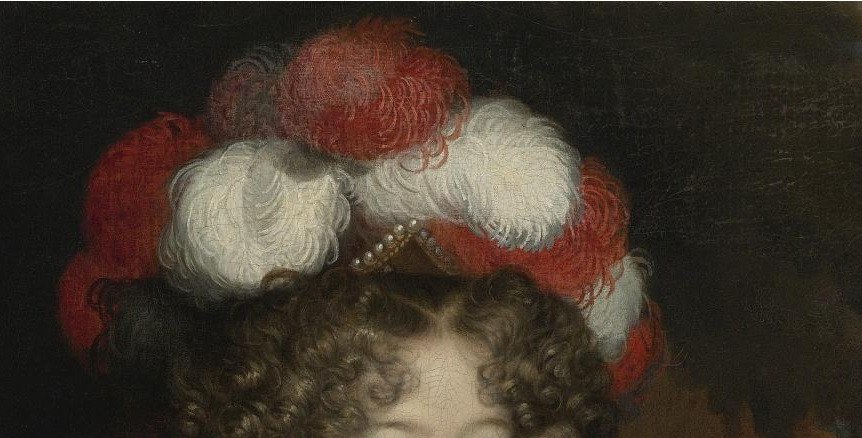
Look at the feather in her hand and the pearls at her throat. Both were deliberate emblems: the feather a nod to wit and perhaps to vanity, the pearls an unmissable signal of noble birth and virtue in Baroque portraiture. The red and white plumes in her hair draw the eye immediately and place her squarely inside the flamboyant theatrical culture of the Restoration court.
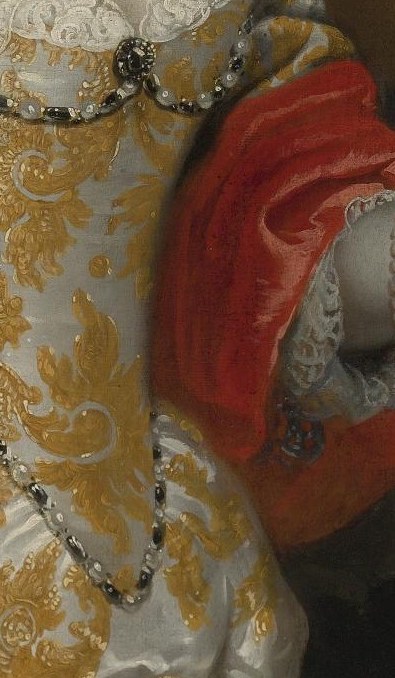
Henri Gascar built his London career on exactly this kind of portrait. Trained in Rome and refined in Paris, he became the go-to painter for the king's mistresses, flattering elite women with virtuoso brushwork, the gold brocade here is a textural tour de force, that made his clients look powerful and untouchable. Hortense Mancini, surviving scandal and exile, made a perfect subject for his particular form of visual diplomacy.
A portrait is never just a record of a face. It's an argument for how to be seen. What do you think Gascar wanted the court to believe about this woman?
Details
Transcript
A feather, a pearl, and a face that knew every rumor at court. She was the niece of Cardinal Mazarin, the most powerful man in France. But Hortense Mancini fled her abusive husband and arrived in England a celebrity scandal. The feather she holds was a symbol of wit, and perhaps of vanitas. The painter, Henri Gascar, specialized in Charles II's mistresses. His brush built her status from gold thread and red plumes.