The Judgment of Paris by Lorrain, Claude
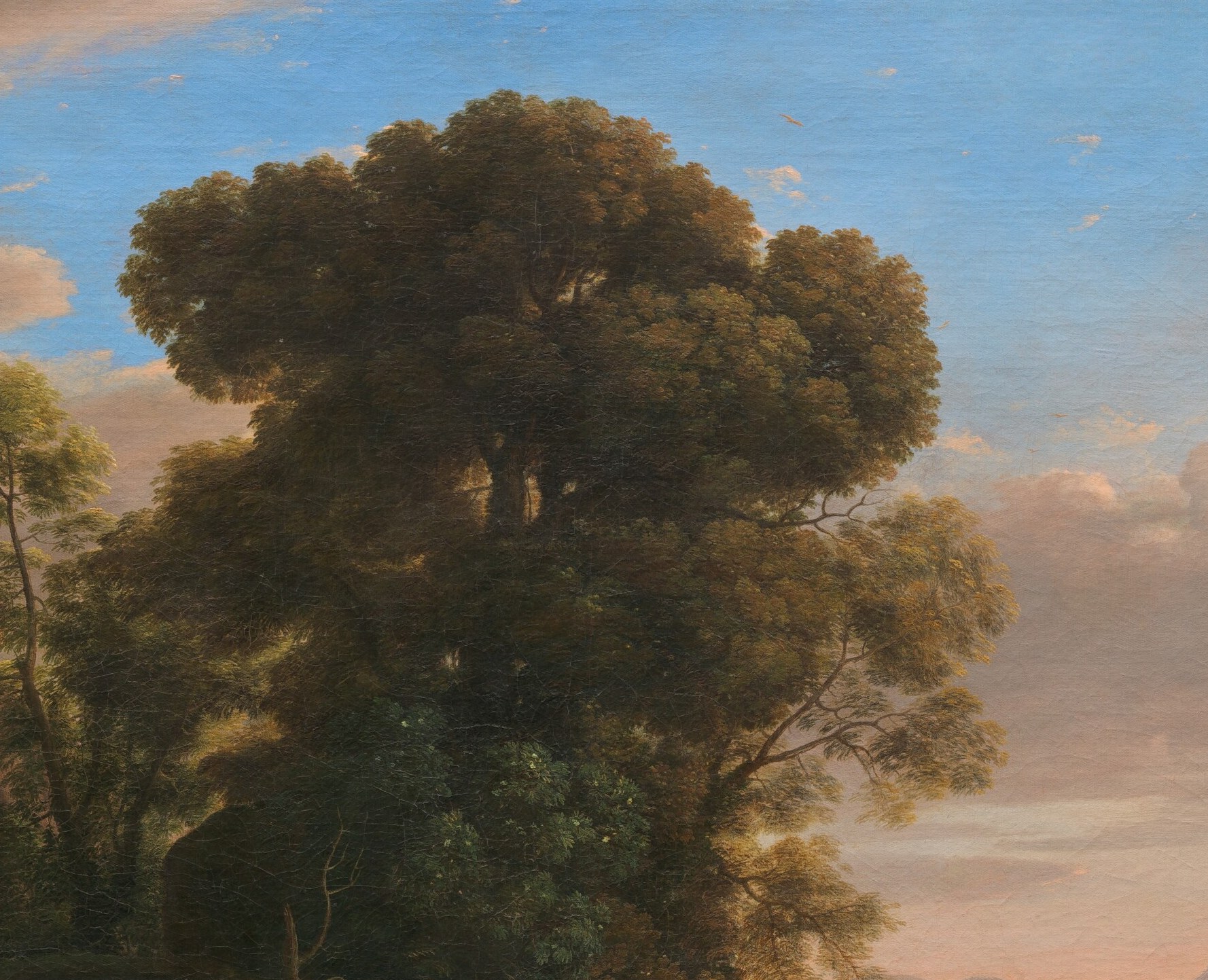
Claude Lorrain's 'The Judgment of Paris' from 1645/1646, housed in a distinguished collection, perfectly showcases how this Baroque master brought ancient myths to life within his signature landscapes. This oil on canvas is more than just a beautiful vista; it's a narrative woven into nature.
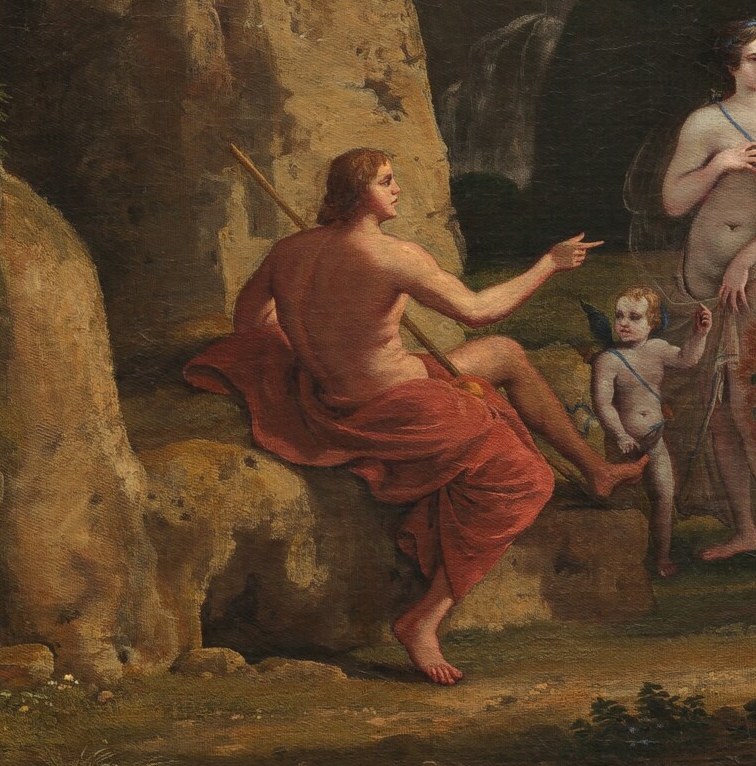
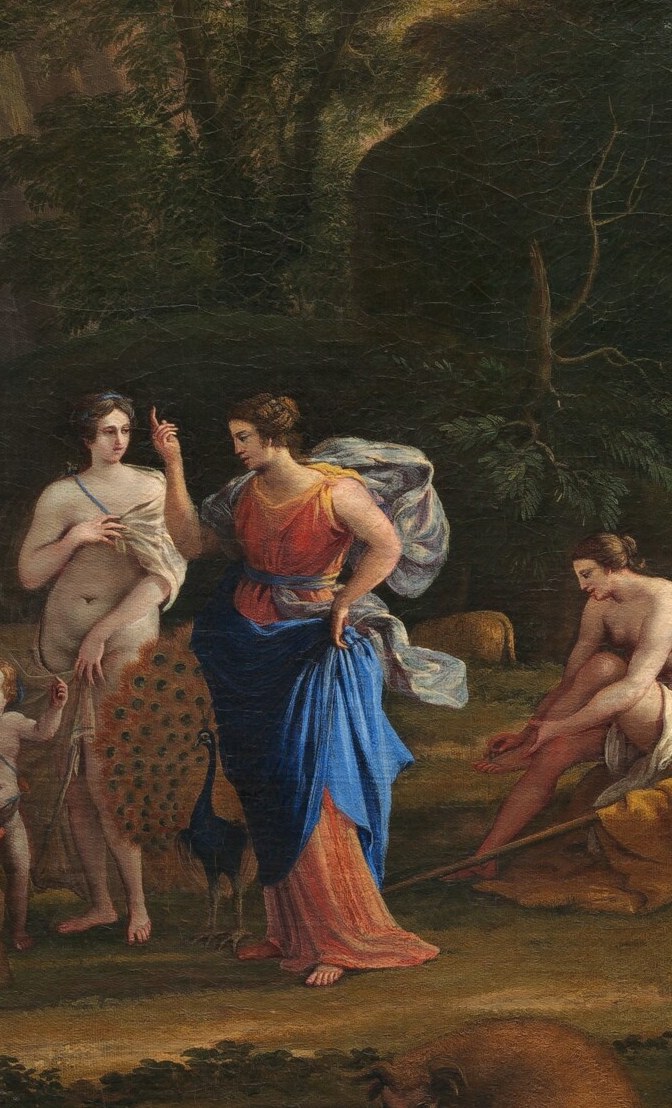
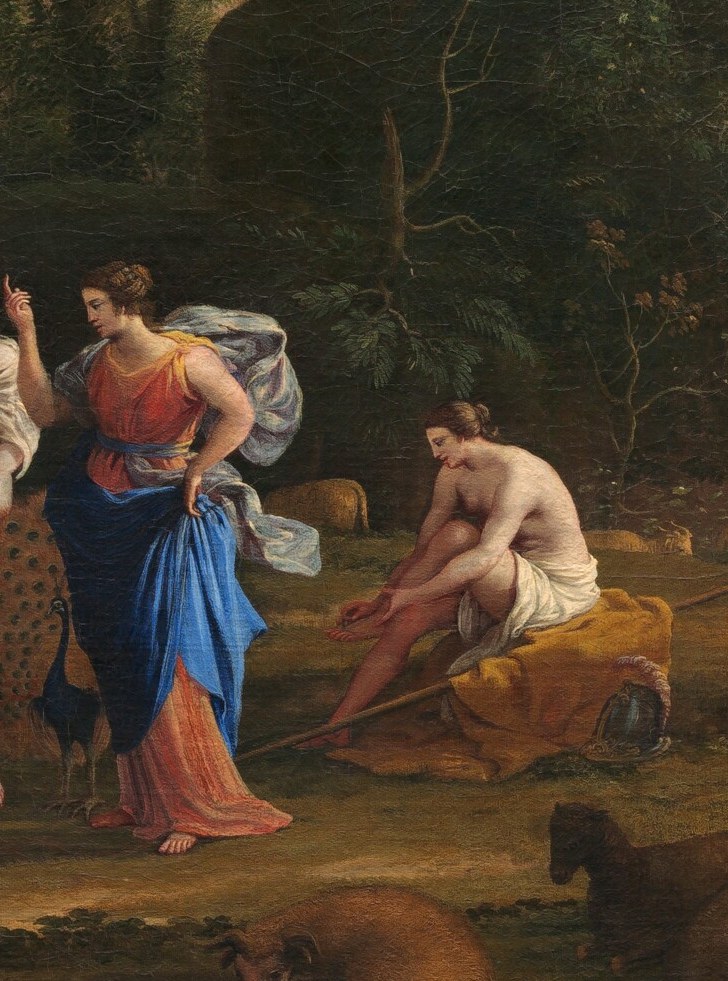
Observe the central figures: the Trojan prince Paris deliberating his fateful choice between the goddesses. Their presence grounds the expansive, idealized landscape in classical mythology. Lorrain was celebrated for this technique, elevating his landscapes beyond mere scenery.
But the real magic often lies in the overlooked. High above the main drama, a tiny Cupid takes aim. This small detail isn't just an embellishment; it subtly underscores the emotional weight of Paris's decision, reminding us of the intertwined roles of fate and desire in the myth.
Lorrain, who spent most of his life in Italy, became the leading landscapist of his time, famous for integrating such historical and mythological elements into his works. What small details in art do you find most captivating?
Details
Transcript
This painter was famous for his grand, idealized landscapes. He often added small figures to tell a story. Here, the Trojan prince Paris judges the goddesses. It’s a scene from classical mythology, set in nature. But look closely, high above the main figures. A tiny Cupid aims his bow at Paris. Just a small detail, but it reveals the story's true heart.