Charles IV of Spain and His Family by Francisco Goya
View the artwork: Charles IV of Spain and His Family →
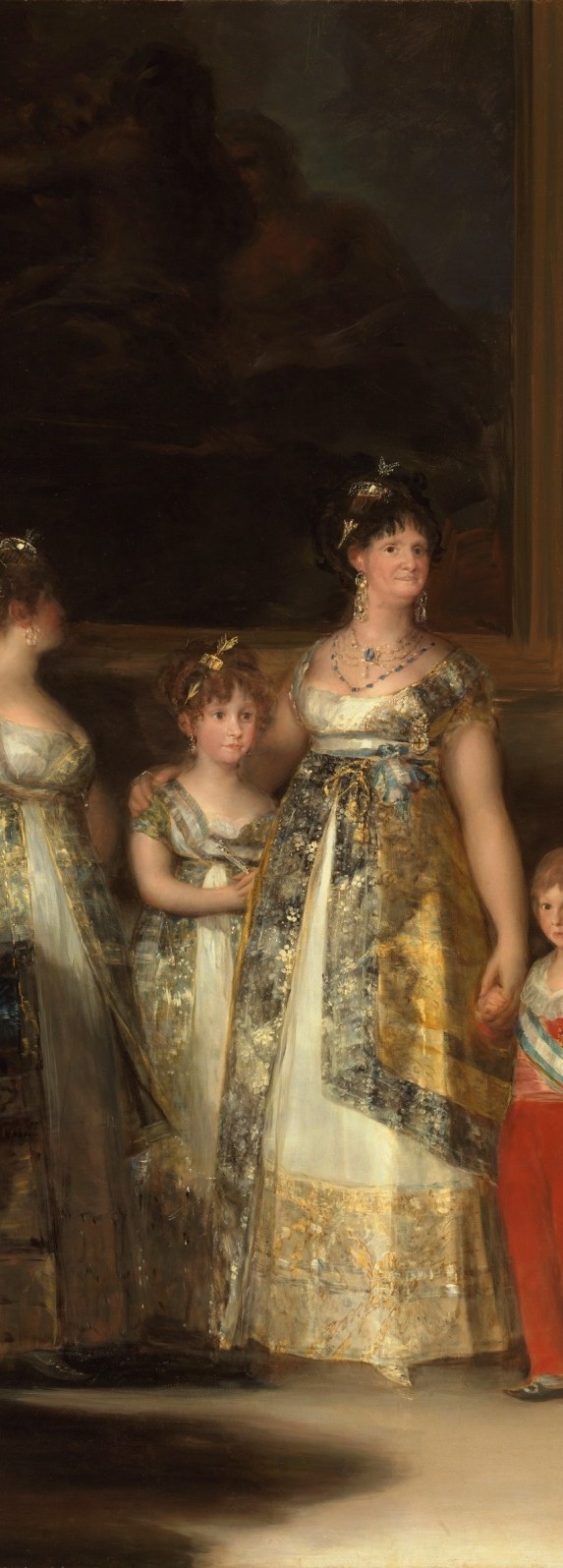
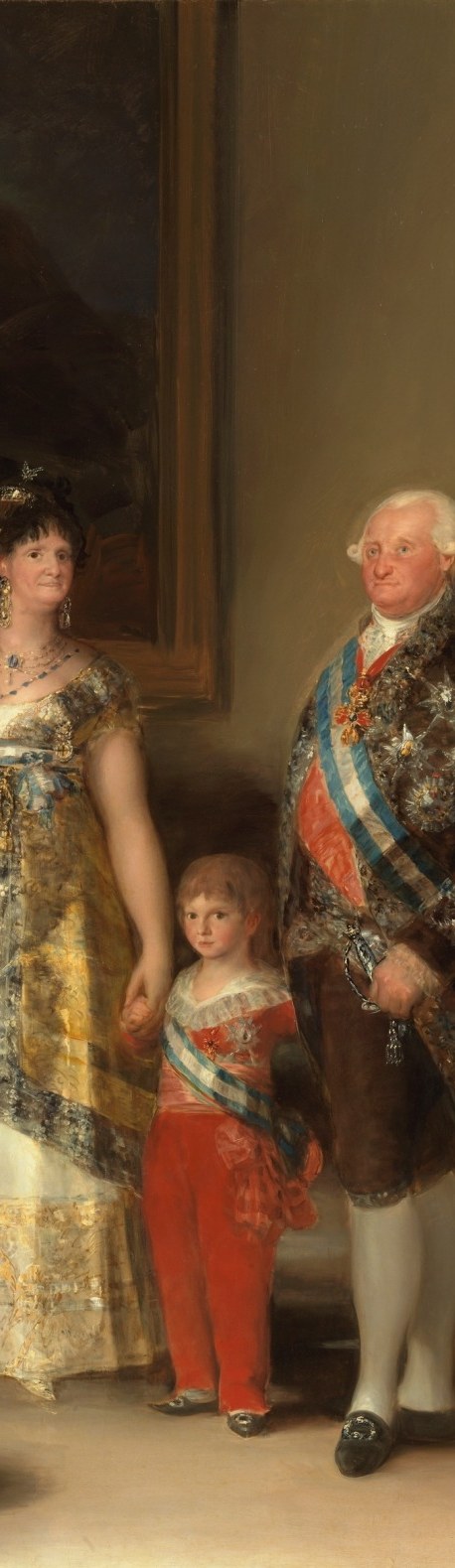
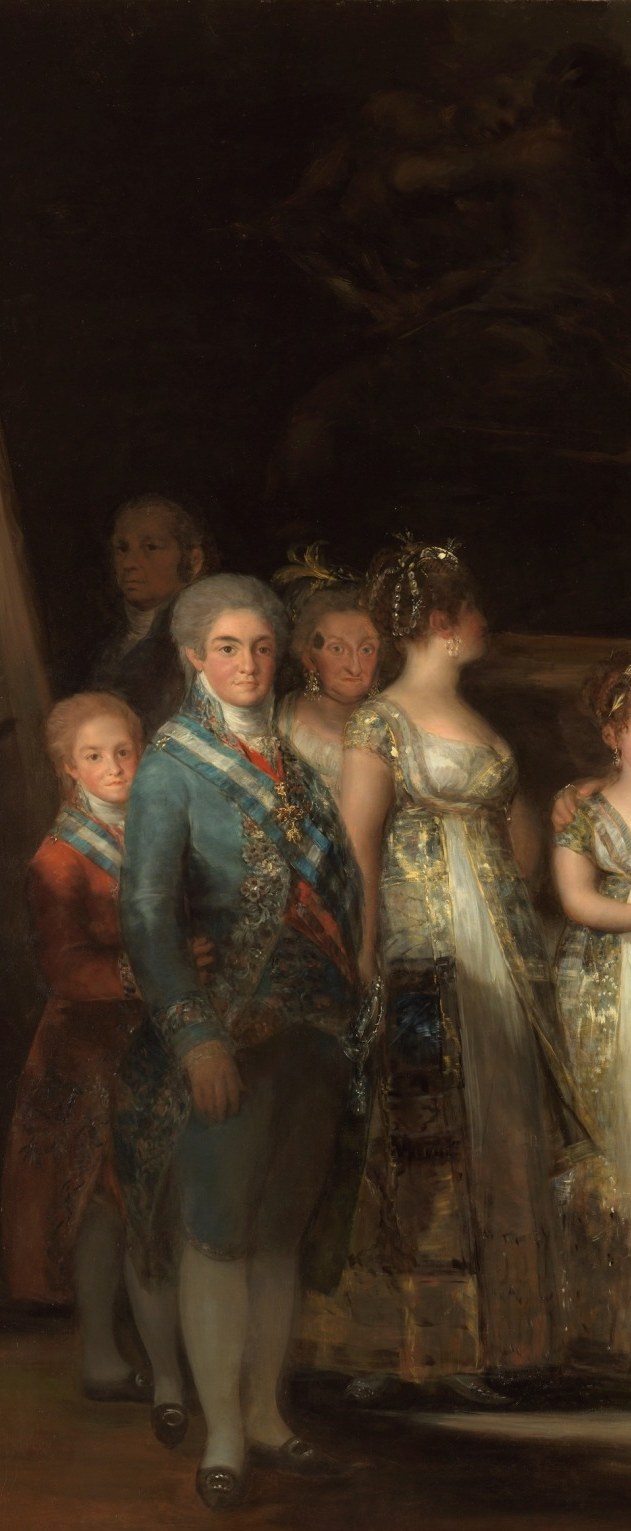
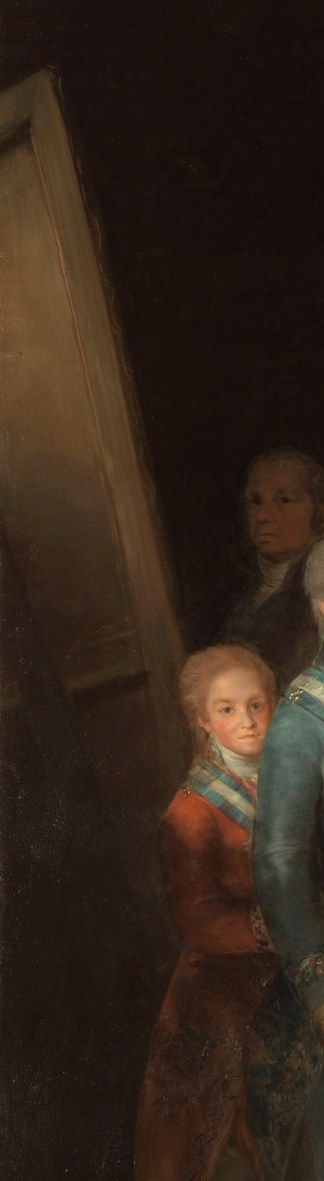
Francisco Goya's *Charles IV of Spain and His Family* (1801) is an act of audacious tribute. Hanging in Room 032 of the Museo del Prado, it shows thirteen life-size members of the Spanish Bourbon court. But the story is not really about the king, the queen, or the glittering jewelry. It is about the man in the shadows.
Look to the far left of the canvas. Goya included himself, barely lit at his easel, watching his subjects as if they were his to arrange. He is directly quoting Diego Velázquez's *Las Meninas*, the most famous self-insertion in art history. But Goya flips the power: where Velázquez painted the king and queen as the room's true sovereigns, Goya gives that authority to the painter. He is the one looking back.
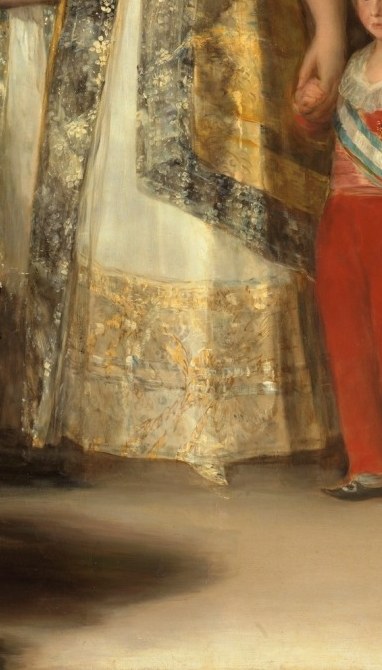
The court sat for this portrait in 1800, right after Goya was named First Chamber Painter. He was at the height of his official career, trusted by a monarchy that would soon collapse. The Bourbons are resplendent: the Queen's embroidered skirt is a thick, physical passage of impasto that simulates silk by catching the light, and the blue sash of the Order of Charles III on the King is a precise heraldic document. Every surface is a record of power.
Goya knew that Velázquez had secured his own immortality by painting himself into the royal household. A century and a half later, Goya claimed the same throne. He is not a servant recording his betters. He is the one in control of the image, and that makes him the one who decides what history sees.
#arthistory #goya #museodelprado
Details
Transcript
1800. Goya is First Chamber Painter to the Spanish court. His canvas: thirteen life-size royals, one vast room. But the composition is stolen from Velázquez, deliberately. Those dark canvases on the back wall echo Las Meninas. And look left. Goya painted himself into the shadows at his easel. In Velázquez, the king owns the room. Here, the painter does. He watches them. They can only wait.