The Farm by Daubigny, Charles-François
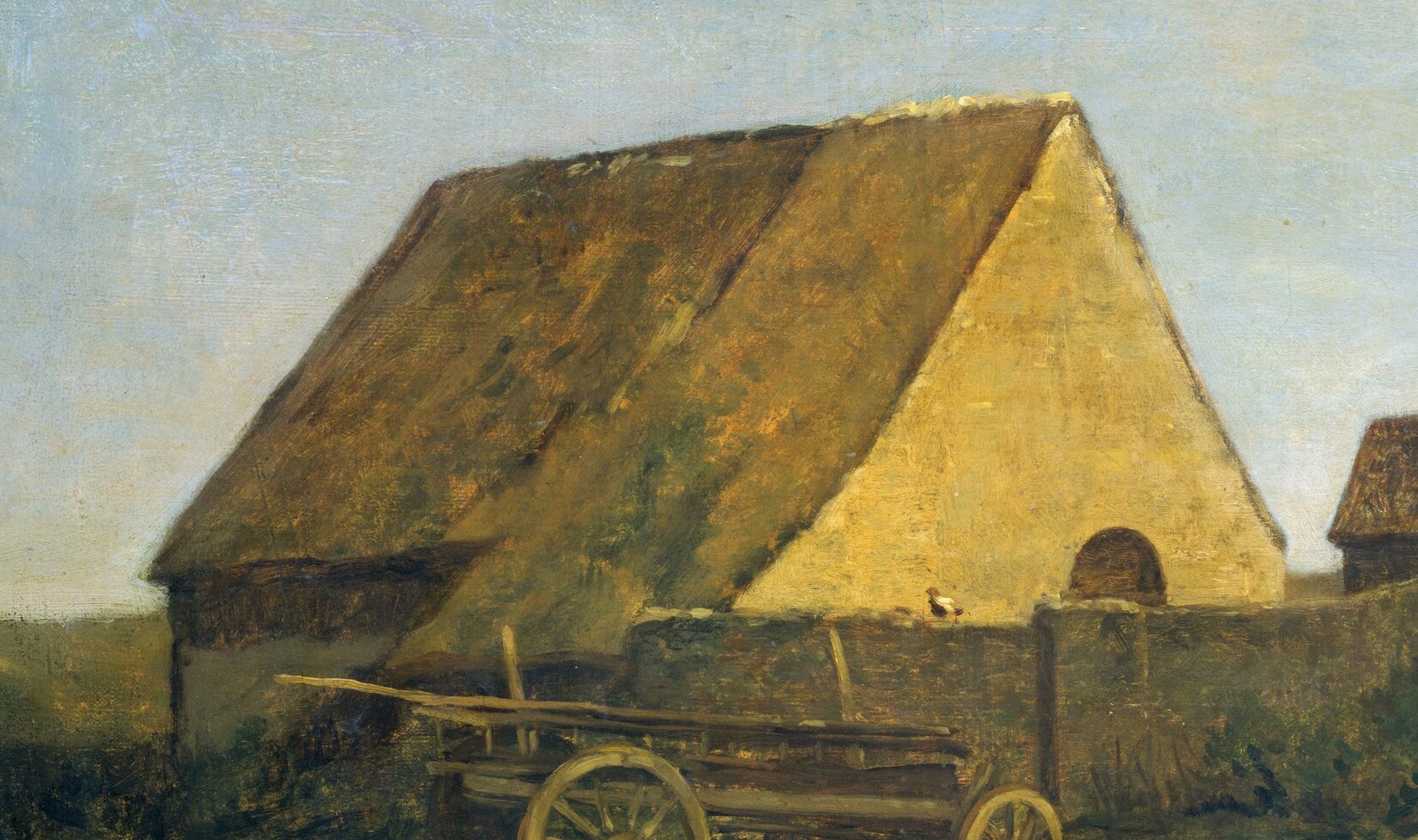
Painted in 1855, Charles-François Daubigny's 'The Farm' at [Museum Name] is a quintessential example of the Barbizon school's focus on unembellished rural life, directly observing nature rather than idealizing it.
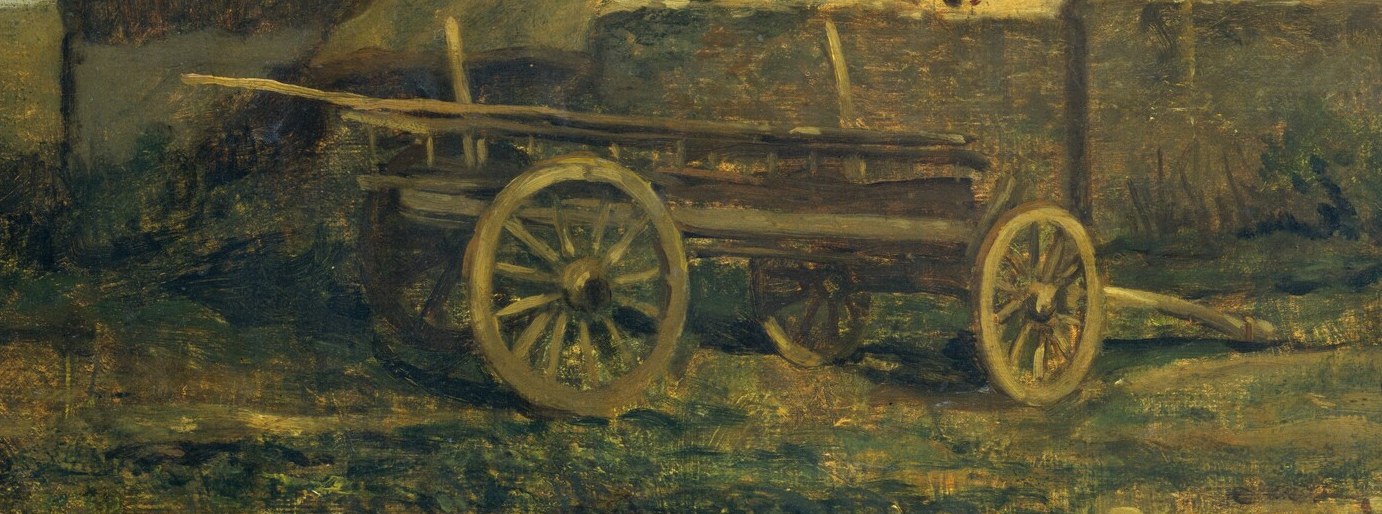
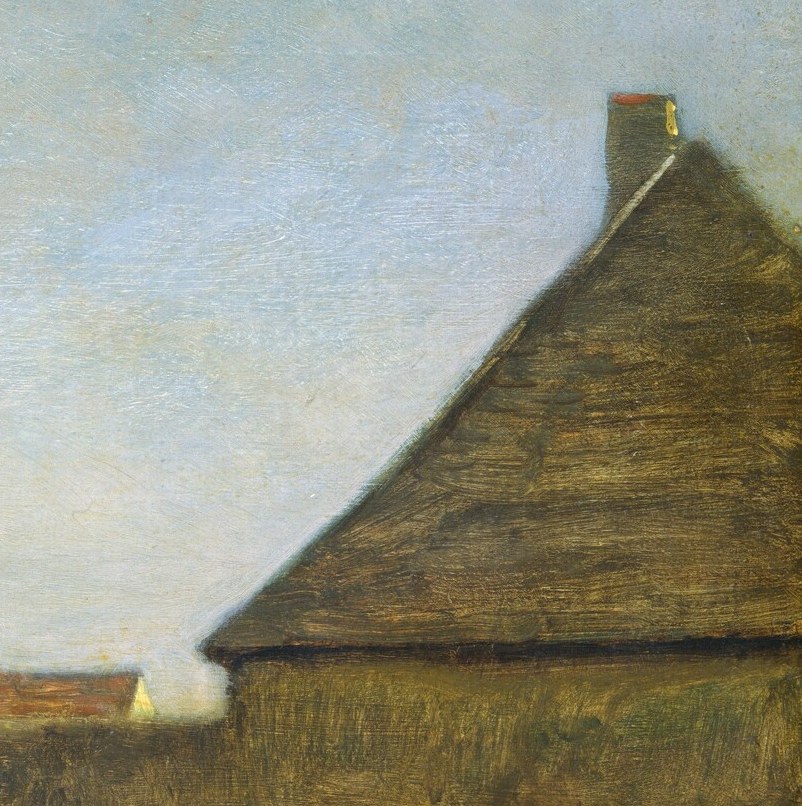
Notice the humble farmhouse and the detailed foreground elements like the wagon wheel and the textured earth. Daubigny's loose brushwork, especially visible in the ground texture, captures the atmosphere and natural light of the scene, creating a sense of quiet repose.
Daubigny was a pivotal figure, and his innovative techniques, which prioritized direct observation and a softer, more atmospheric handling of paint, significantly influenced the development of Impressionism. He helped transition art from academic tradition towards a more modern approach to landscape painting.
Isn't it fascinating how a seemingly simple farm scene can hold such historical significance?
Details

Transcript
This painter was a key member of the Barbizon school. They painted rural landscapes, moving away from idealized scenes. Look closely at the ground in the foreground. His loose brushwork captured atmosphere and natural light. This technique anticipated the later Impressionist movement. His work helped bridge academic tradition and modern art.