Still life by Johann Friedrich Gruber
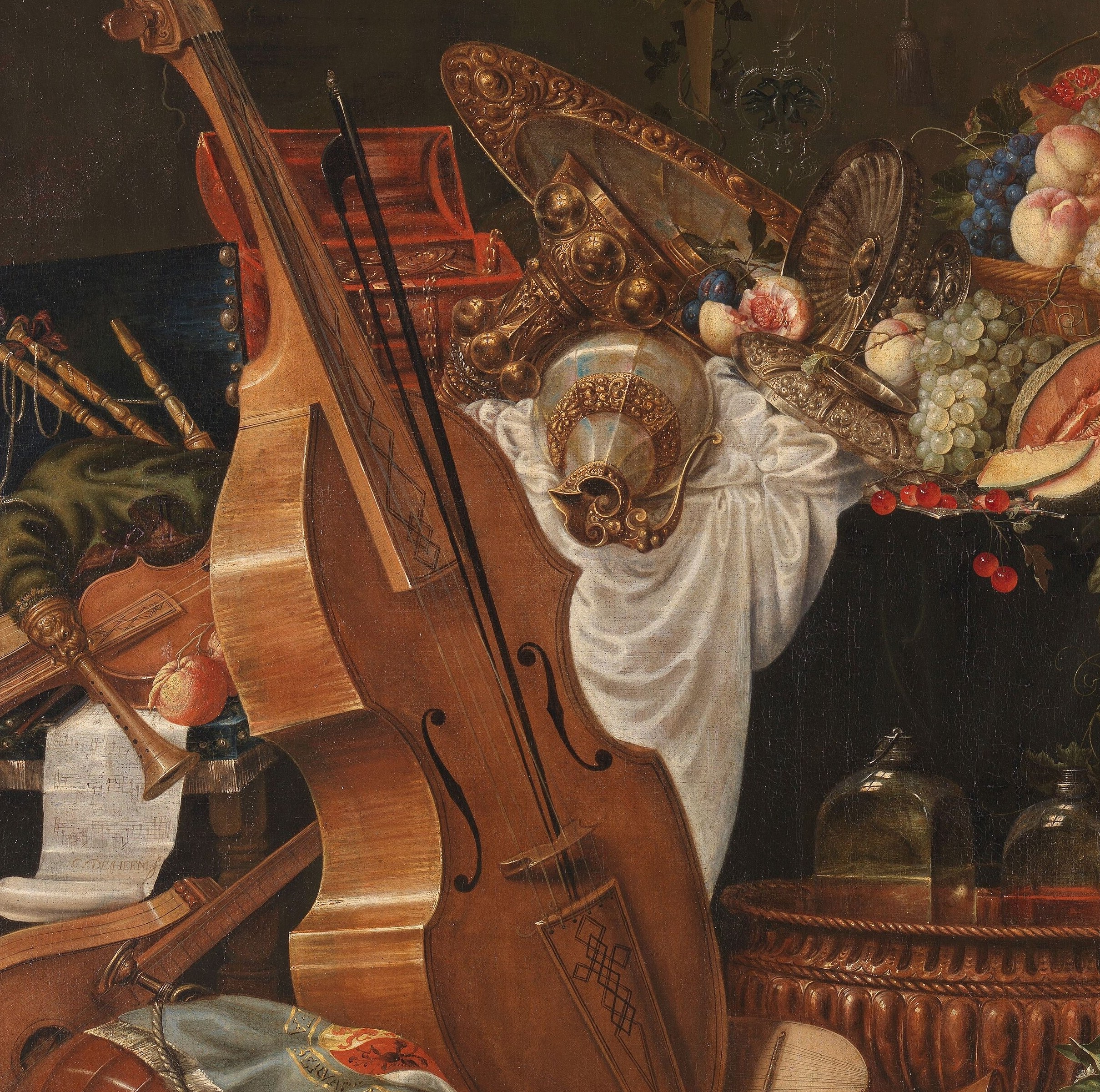
This is Johann Friedrich Gruber's "Still Life with Instruments," painted in 1661 and now lost to private obscurity. When Gruber submitted this painting to the Stuttgart Academy, he was a respected master in the city. He expected it to secure his legacy. Instead, the academy rejected it as vulgar, and the scandal effectively ended his public career.
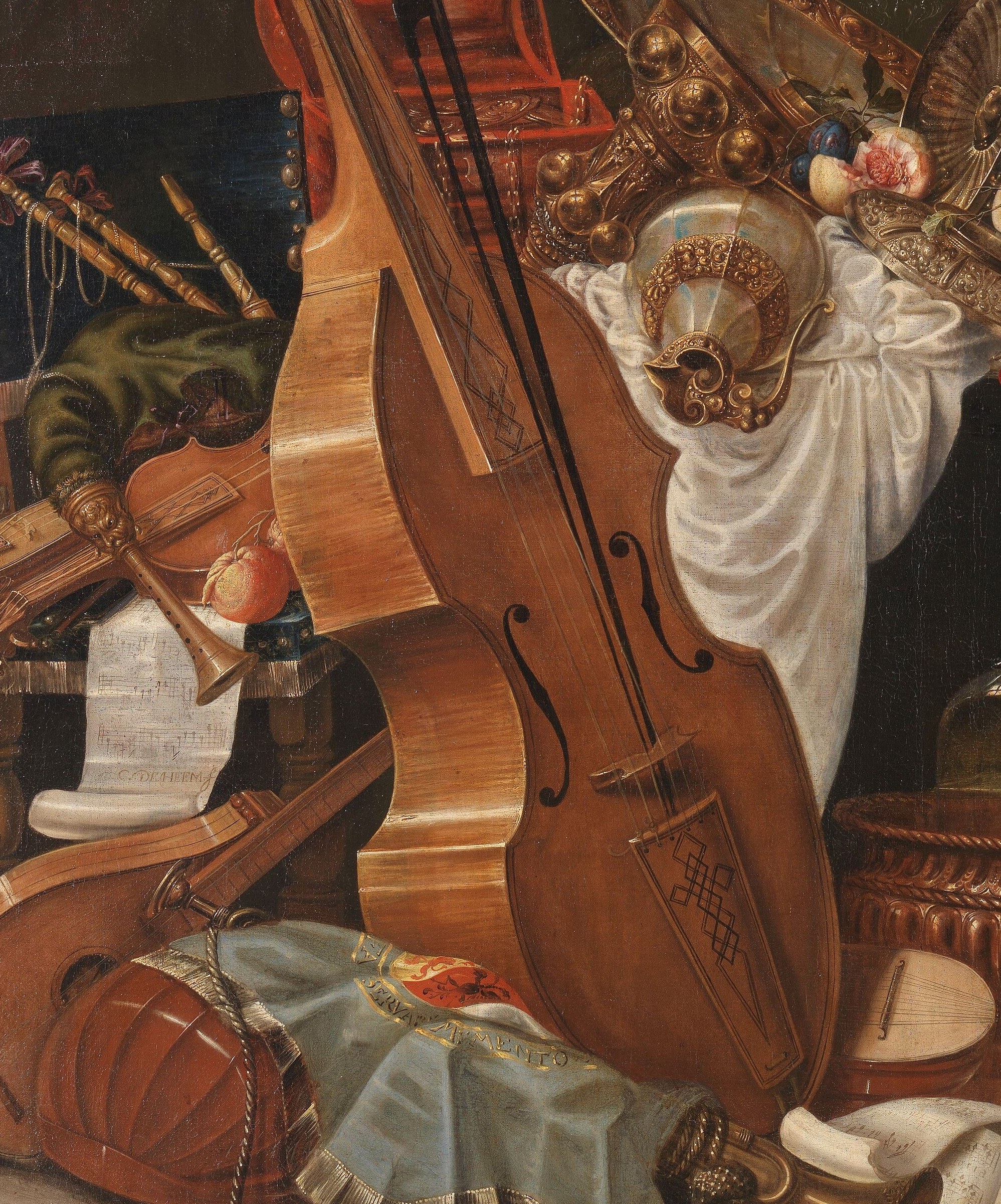
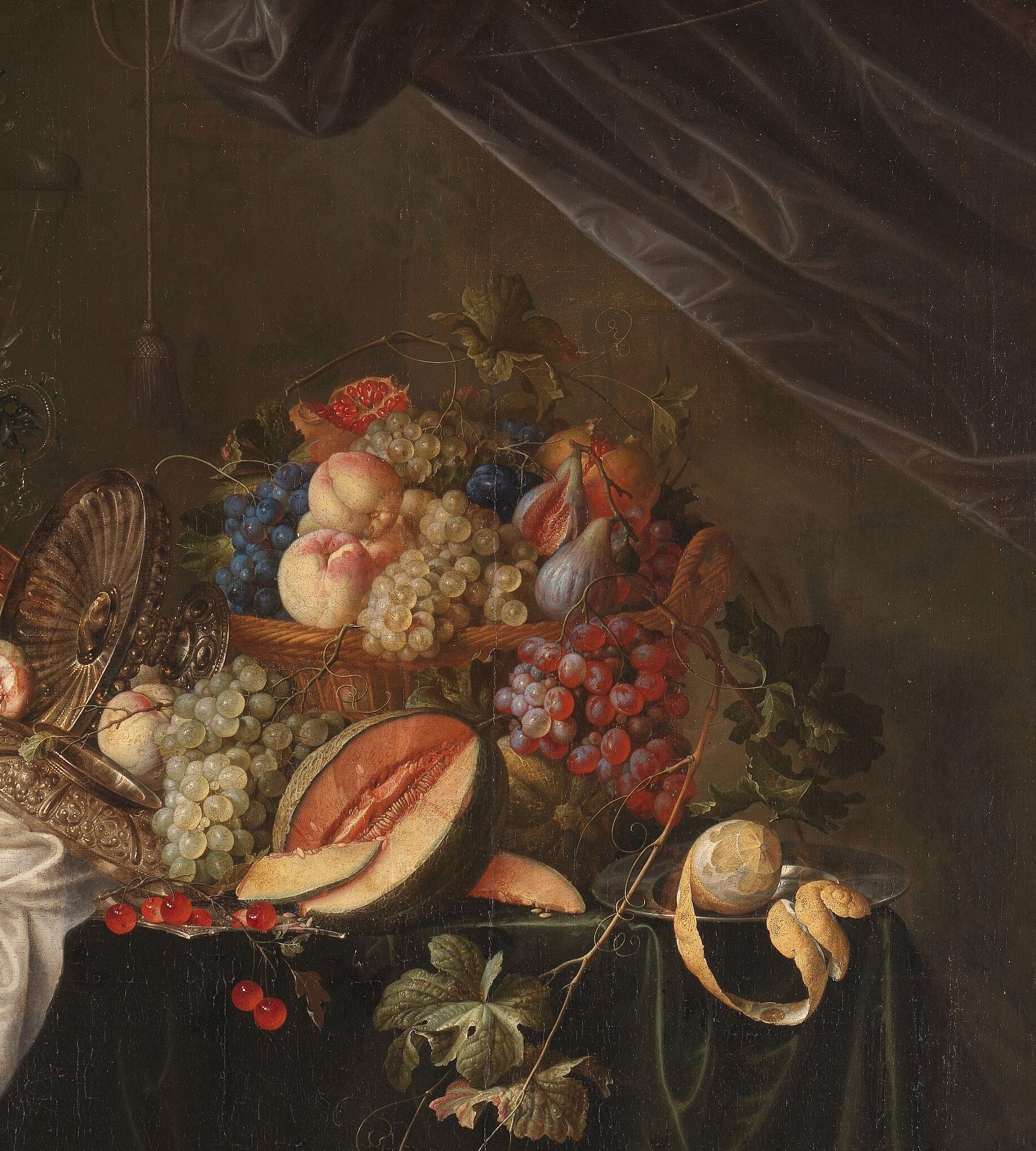
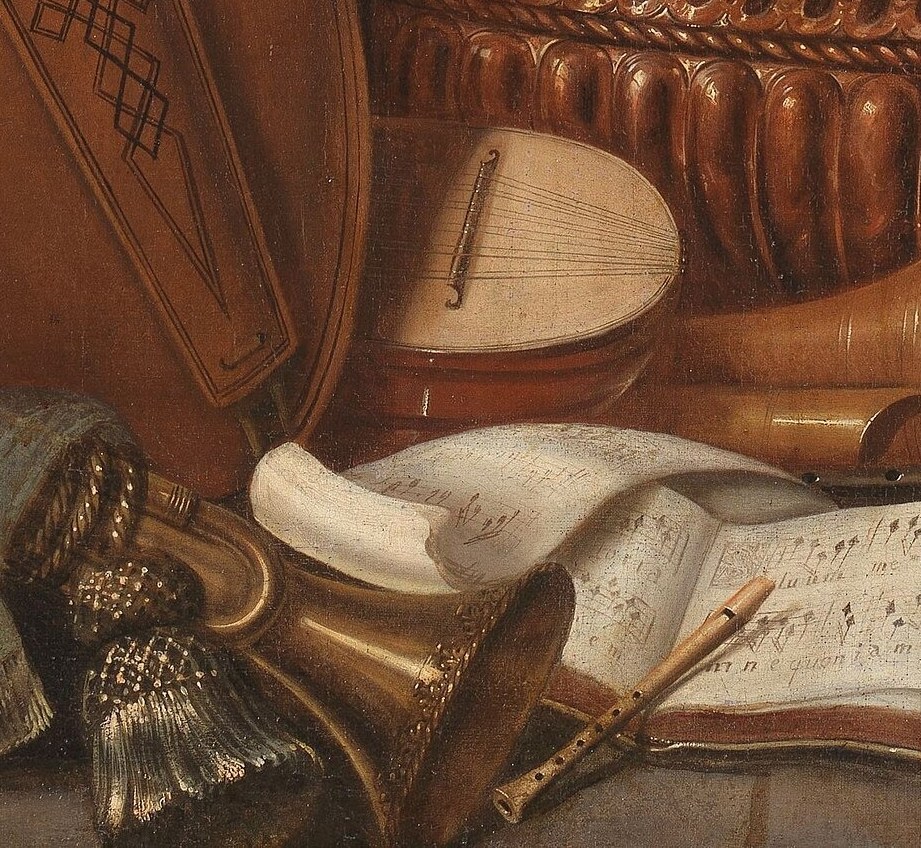
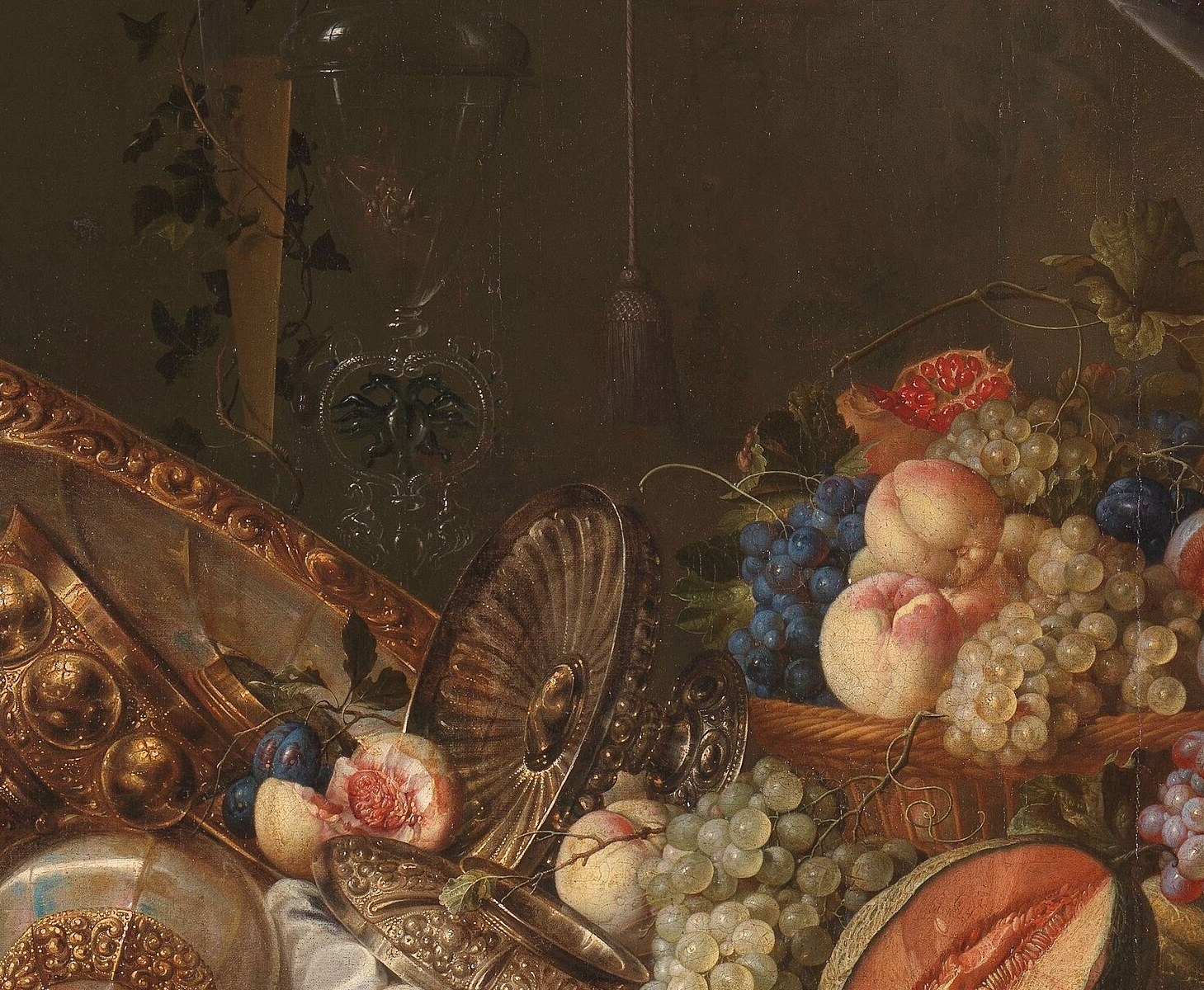
The composition itself is a technical showpiece. Look at the dramatic gradient of light across the cello body, Gruber's command of chiaroscuro is deliberate and intense. He differentiates every surface: the crisp white satin, the gleaming brass trumpet, the dusty skin of the grapes. And then you notice the single lemon, half-peeled on the table's edge, a classic vanitas symbol for deceptive appearances.
So why the scandal? The painting offered no obvious allegorical cover, no biblical scene to justify such lavish, sensual display. It was simply a monumental, unapologetic arrangement of pleasure, music, fruit, silk, rendered with a directness that the academy found indecent. Gruber painted the truth of material pleasure, and that truth was too much.
The irony is that every symbol here, the decaying fruit, the silent instruments, already warns that all pleasure is fleeting. Gruber lost his career, but his painting still makes its argument, note by silent note. What do you think the academy really feared in this image?
Details
Transcript
In 1661, a painter submitted this to the Stuttgart Academy. He was a respected master, expecting honours. They rejected it outright. Called it vulgar. Look at the lemon, half-peeled on the table's edge. Bright outside, sour within. The academy saw themselves in it. The scandal broke him. He never exhibited in Stuttgart again.