Midsummer Night at Tisvilde Beach by Julius Paulsen
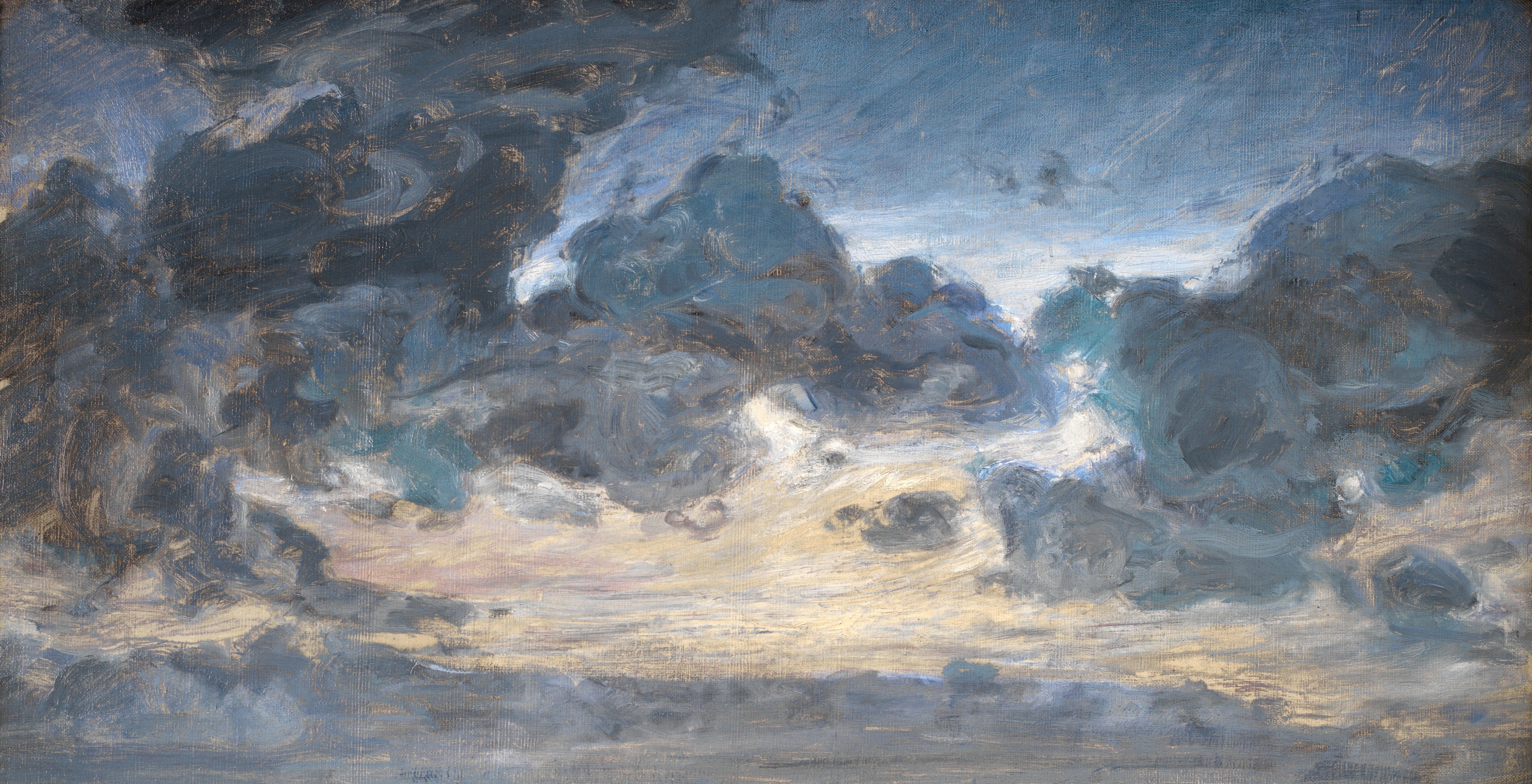
This is Julius Paulsen's *Midsummer Night at Tisvilde Beach*, painted in 1894 and housed at the Statens Museum for Kunst. Paulsen masterfully captures the drama of a coastal night sky using thick, textured brushstrokes that give the clouds a tangible, almost sculptural quality.
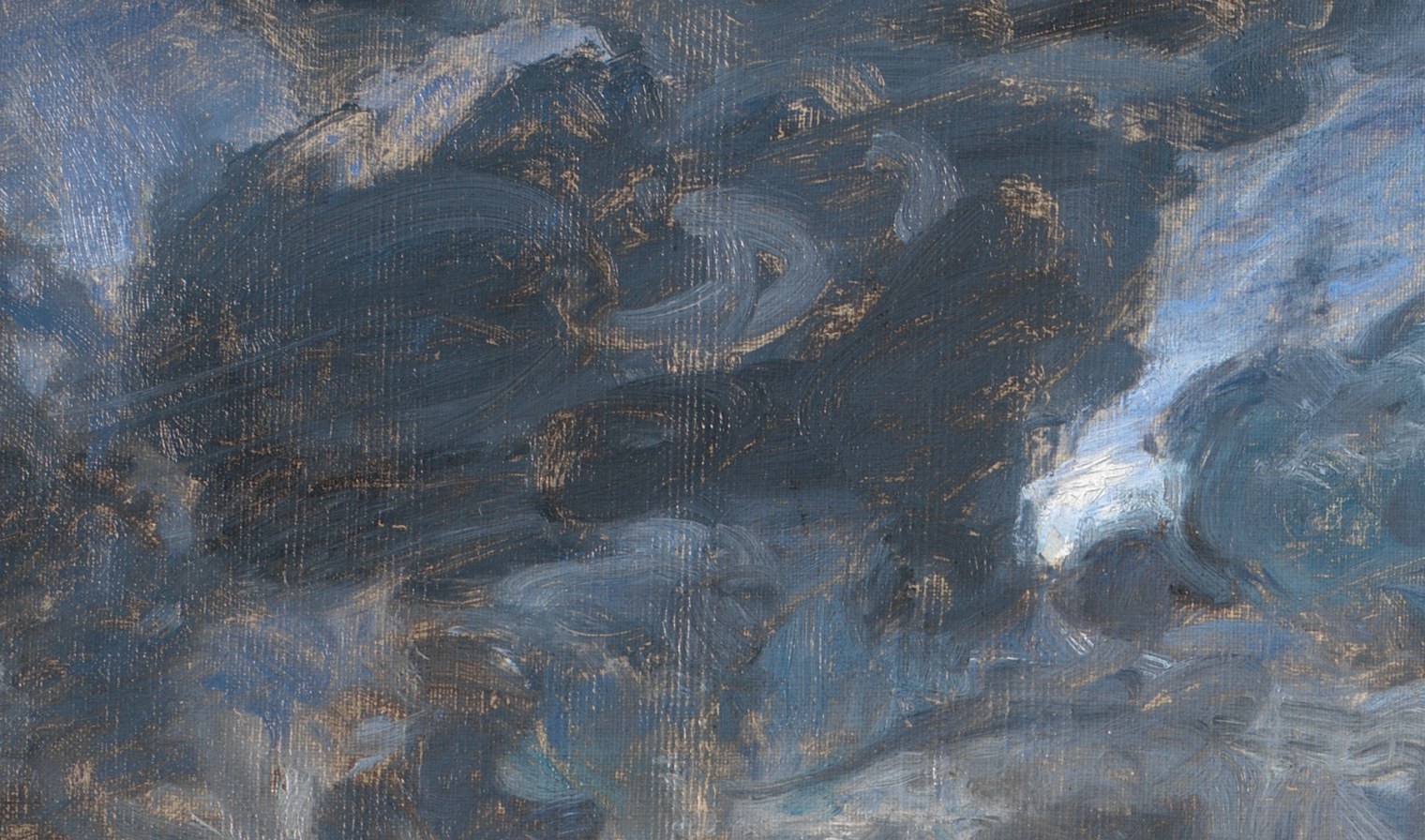
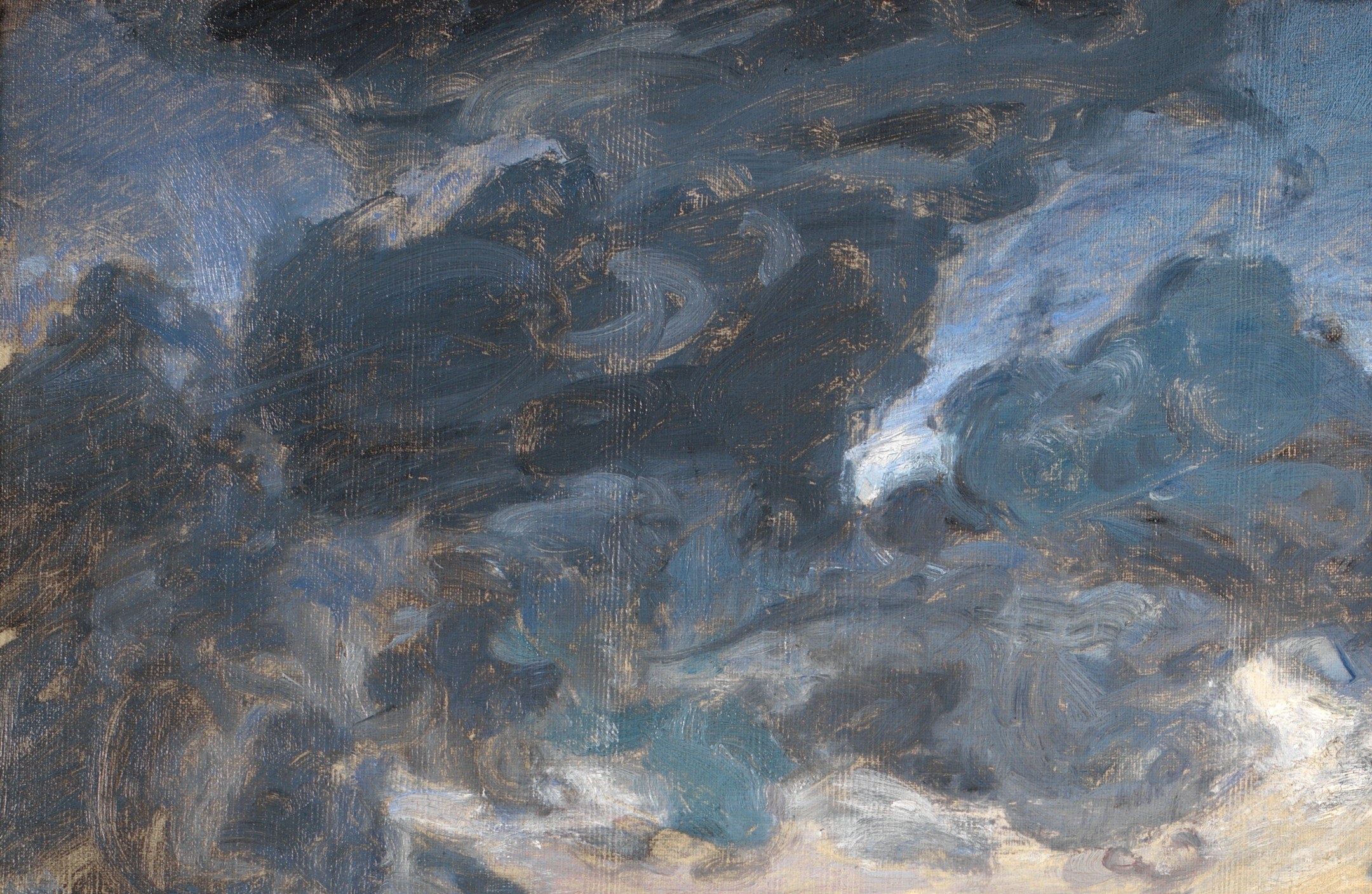
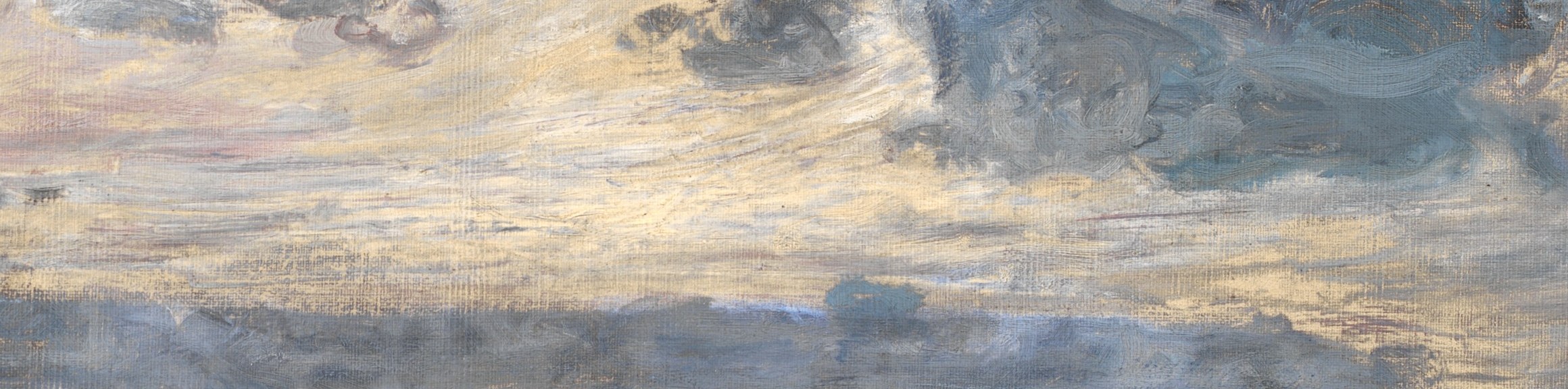
Look at the impasto technique used on the sky, especially the dark storm clouds. Notice how the visible brushwork creates depth and dynamic movement. The narrow band of bright horizon light, culminating in a sharp glint, offers a powerful contrast to the brooding atmosphere.
Paulsen, known primarily for his portraits, was influenced by Rembrandt and French salon art. His engagement with Impressionist principles is evident here in the focus on transient atmospheric effects and visible paint application. He was also connected to the Skagen Painters.
This painting showcases how oil paint can be manipulated to create a sense of elemental power and turbulent beauty.
Details
Transcript
This painter made stormy skies feel solid. Thick paint creates tangible, swirling clouds. Impasto technique builds sculptural cloud forms. A narrow band of light breaks the darkness. This light feels almost divine. The sea mirrors the dramatic sky above. He painted this in 1894.