Women Working in a Field by Winslow Homer (American, 1836–1910)
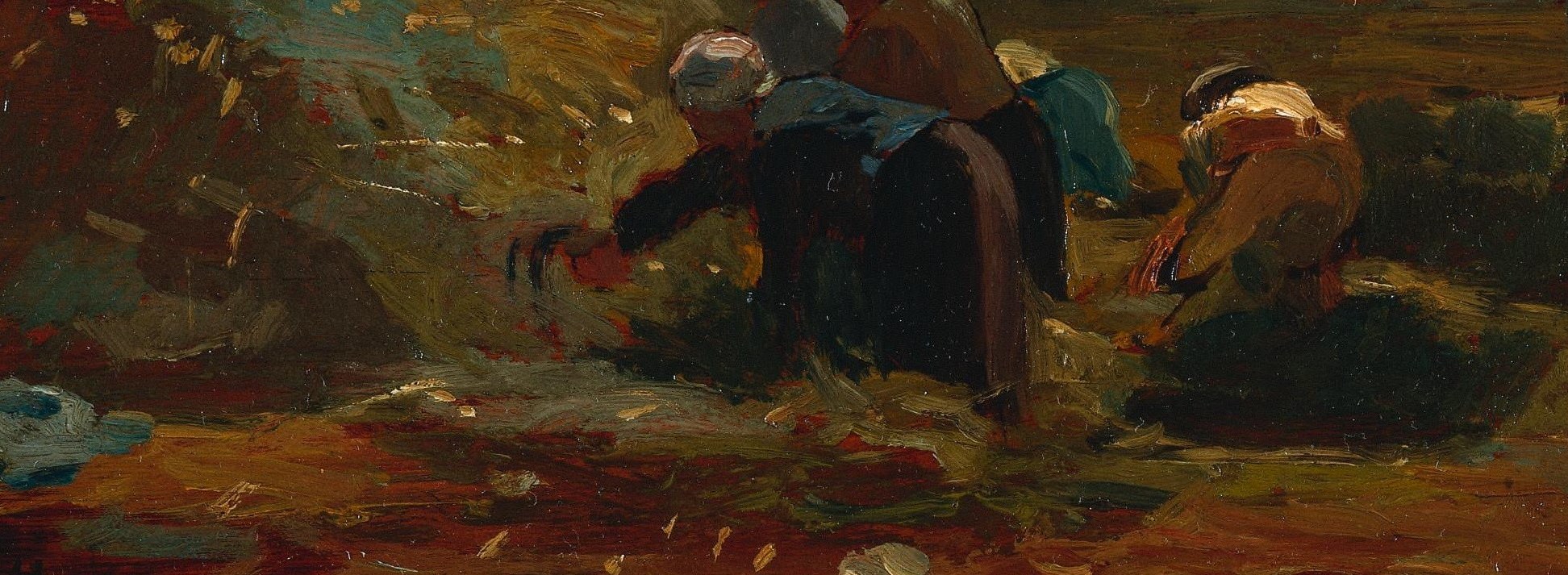
In 1867, Winslow Homer painted three women working in a field. Their faces are hidden, their clothing dark and shapeless, their bodies bent so low they nearly dissolve into the soil. 'Women Working in a Field' lives at the Smithsonian American Art Museum and is one of the rare post-Civil War paintings by a major American artist to take Black field laborers as its sole, monumental subject.
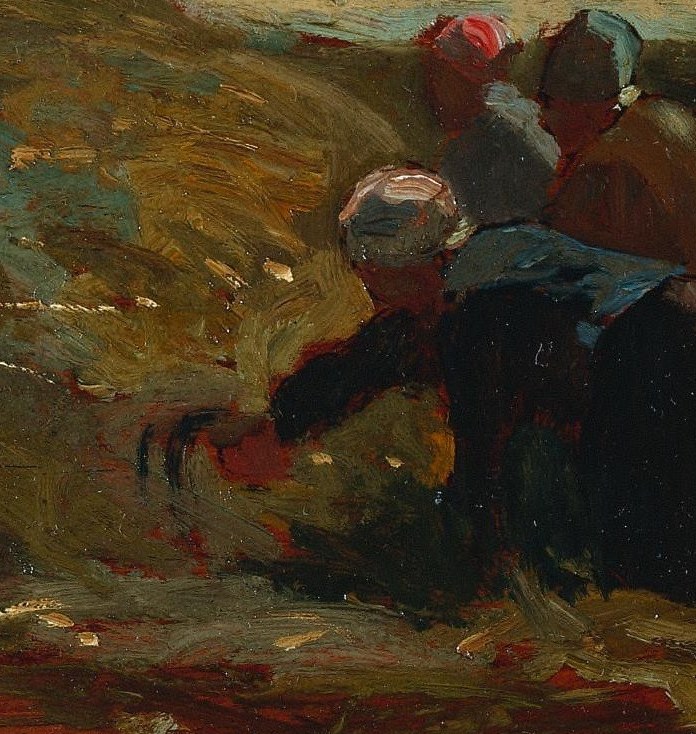
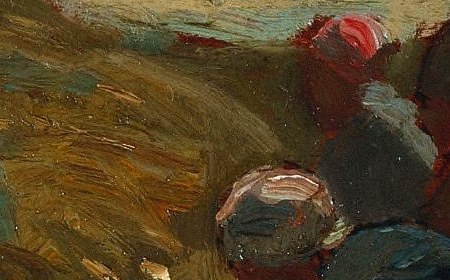
Look at what Homer denies you. No eyes, no expressions, no individual hands you can clearly read. The bright white bonnet on the center figure is the only warm light in the midground, and even it reveals no face. This is the painting's real subject: the erasure of identity through labor so consuming it reduces a person to posture and function.
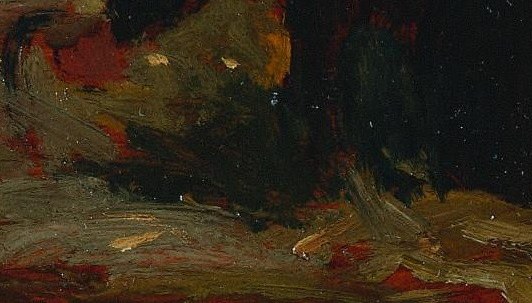
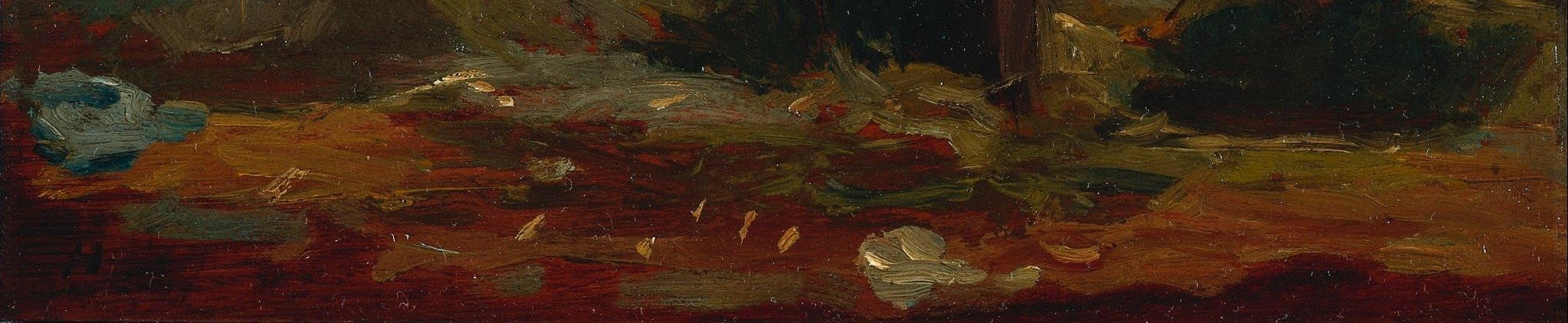
Homer was a commercial illustrator during the war, a self-taught artist who had seen enough to know what he was doing. After the war, during Reconstruction, this image of Black women working the land carried a heavy, complicated weight. Homer does not make them heroic in any conventional way. He makes their physical toil the entire story, building the foreground earth with thick ridges of impasto so the soil feels as real and present as the figures themselves.
The painting holds a quiet, stubborn dignity. These women are nameless, but they are not small. They fill the canvas, bookended by pale sky and dark earth, and they keep working. That Homer chose to paint them at all, in 1867, is the silent argument the painting makes.
Details
Transcript
In 1867, Winslow Homer painted three women in a field. You cannot see their faces. The dark clothes swallow every detail of a person. Homer doesn't even give them eyes. After the Civil War, Black women worked fields just like this one. He painted them without faces, but he gave them the whole sky. The earth is thick with paint. You feel the dirt under your fingernails. They bend so low they almost become the soil.