The regents of the Nieuwe Zijds institute for the outdoor relief of the poor, Amsterdam, ca 1650 by Jacob Adriaensz Backer
Jacob Adriaensz Backer's "The Regents of the Nieuwe Zijds Institute" from around 1650 captures the somber duty of public welfare in Golden Age Amsterdam. This oil-on-canvas work, housed in a prominent collection, offers a glimpse into the civic life of the era.
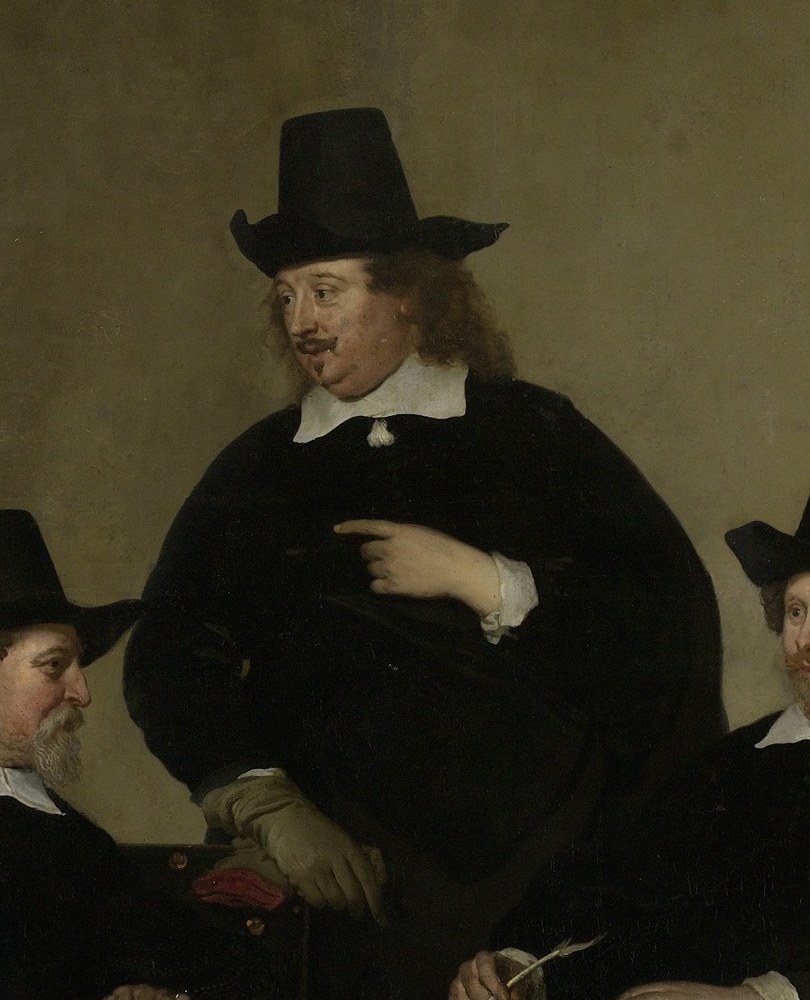
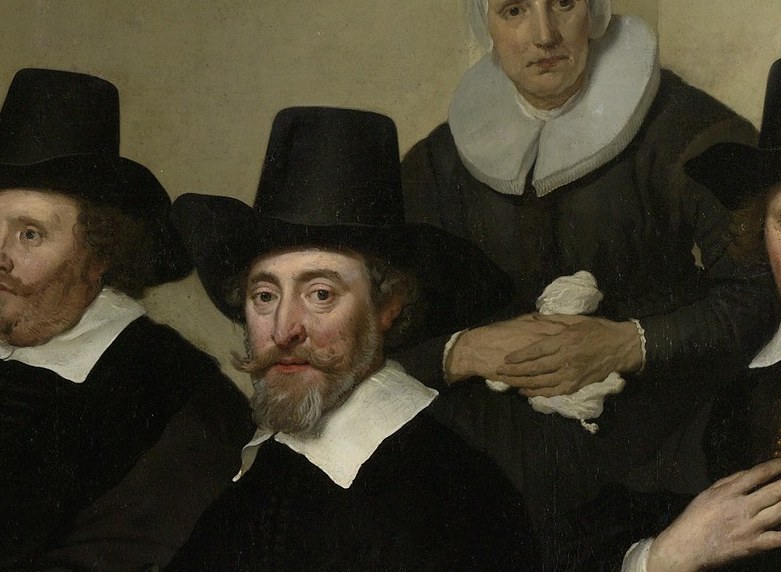
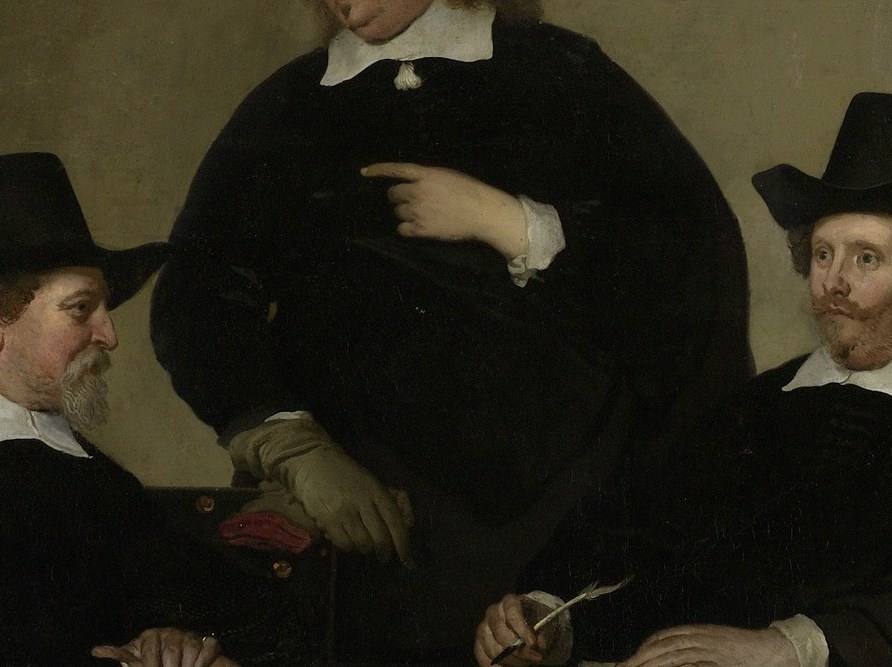
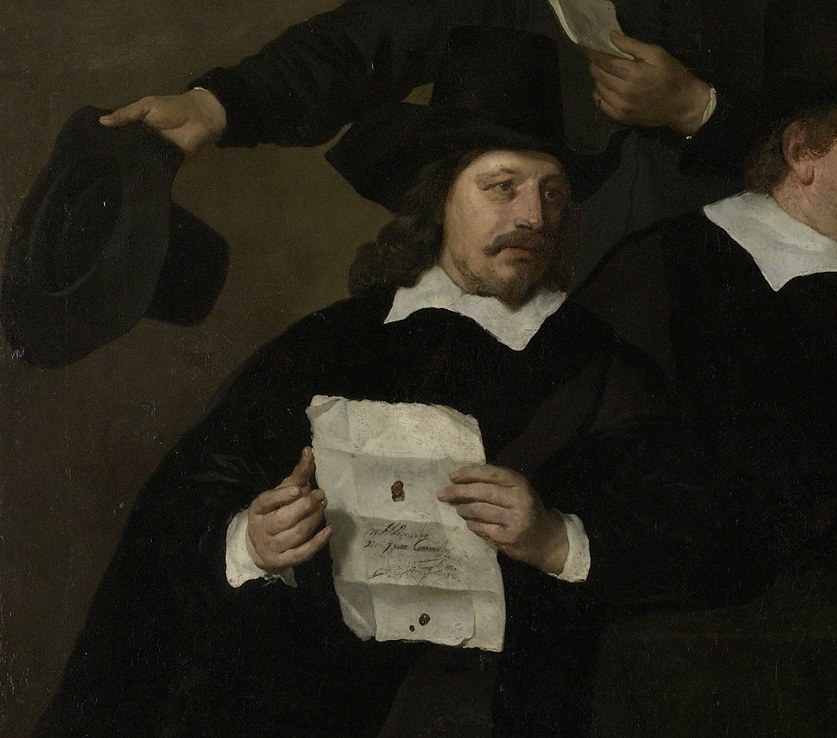
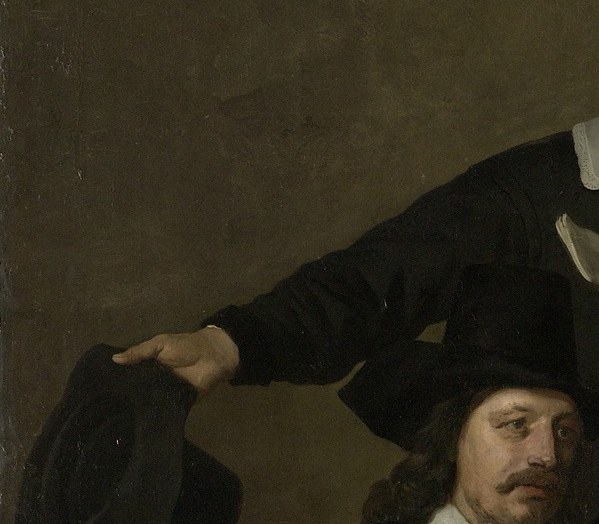
Observe the varied expressions and postures of these regents, each conveying a sense of responsibility. From the contemplative gaze of one to the formal holding of a hat by another, their faces tell a story of diligence and concern for the city's poor.
Commissioned to document the governance of the Nieuwe Zijds institute, an organization providing outdoor relief, this painting reflects the broader tradition of regent group portraits in the Dutch Republic. These works not only recorded civic bodies but also affirmed the Protestant ethic of communal responsibility.
The painting stands as a quiet testament to the serious business of charity, a vital function in a bustling 17th-century city. What do you see in their eyes?
Details
Transcript
In 1650, Amsterdam’s poverty relief was serious business. This council oversaw aid for the city’s most destitute. Notice how each man carries the weight of his duty. Some appear deep in thought, perhaps considering difficult cases. The painter, Jacob Backer, captured their solemn purpose. Their expressions reflect the gravity of their public welfare roles.