Man in a Red Cloak by Rembrandt
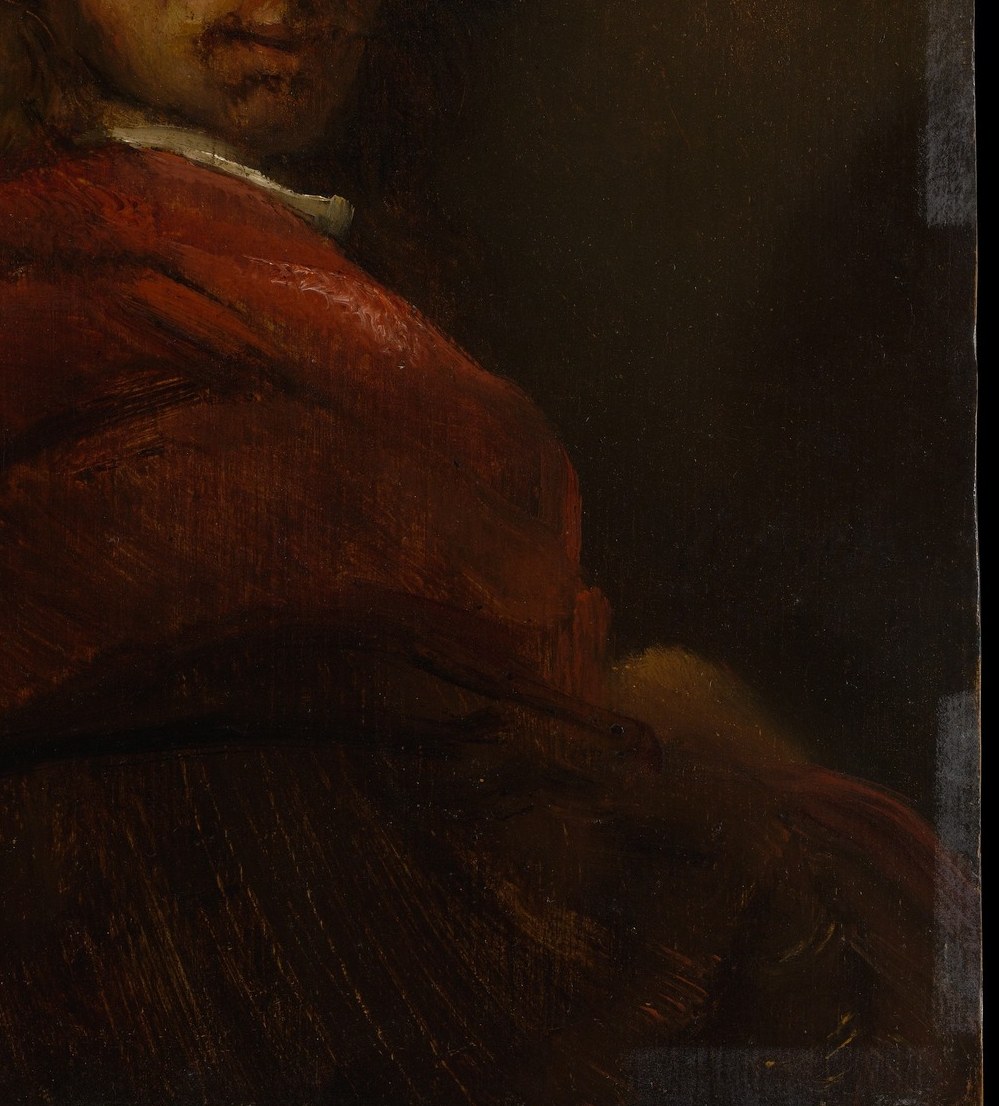
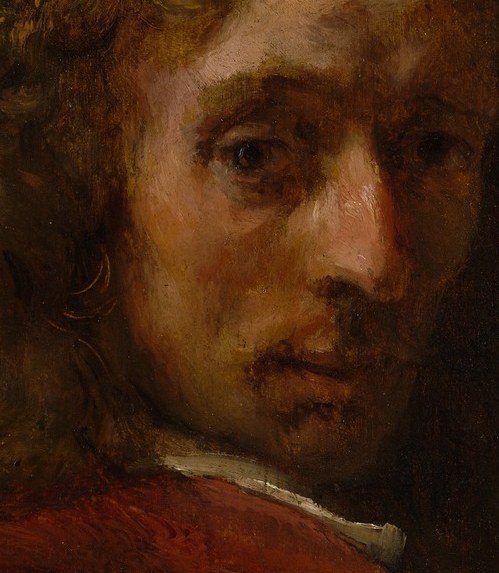
Rembrandt's 'Man in a Red Cloak,' painted around 1650, is more than just a portrait; it's a profound study of human emotion. Housed at The Metropolitan Museum of Art, this painting draws you into the sitter's world with its striking use of light and shadow.
Notice how Rembrandt uses light to highlight the man's face, giving him a lifelike dimension. His eyes, though partially shadowed by his broad-brimmed hat, convey a deep sense of introspection, hinting at unspoken thoughts and feelings.
Rembrandt, a master of the Dutch Golden Age, often explored the complexities of human experience, particularly during his own periods of personal and financial hardship. This portrait reflects his ability to capture the inner life and quiet dignity of his subjects, making it resonate with viewers centuries later.
What do you see in his gaze?
Details

Transcript
Rembrandt painted many portraits. But this one, from 1650, is different. The light falls on his face, creating depth and volume. He is not just a sitter; he is a presence. His eyes, shadowed by his hat, hold a quiet sadness. Rembrandt often painted during personal hardship. He captures the inner life of this man.