Portrait of a Lady by French 19th Century
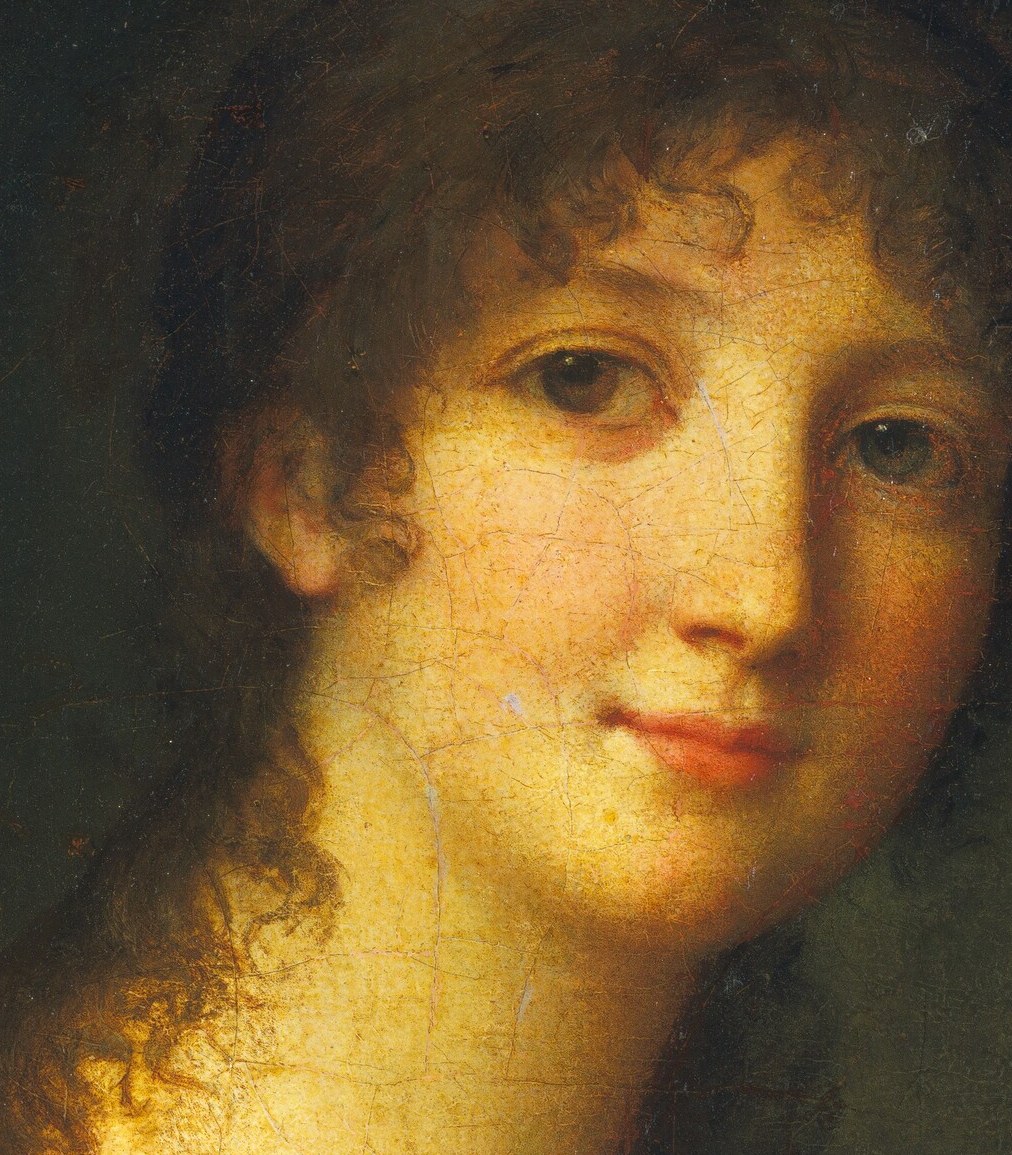
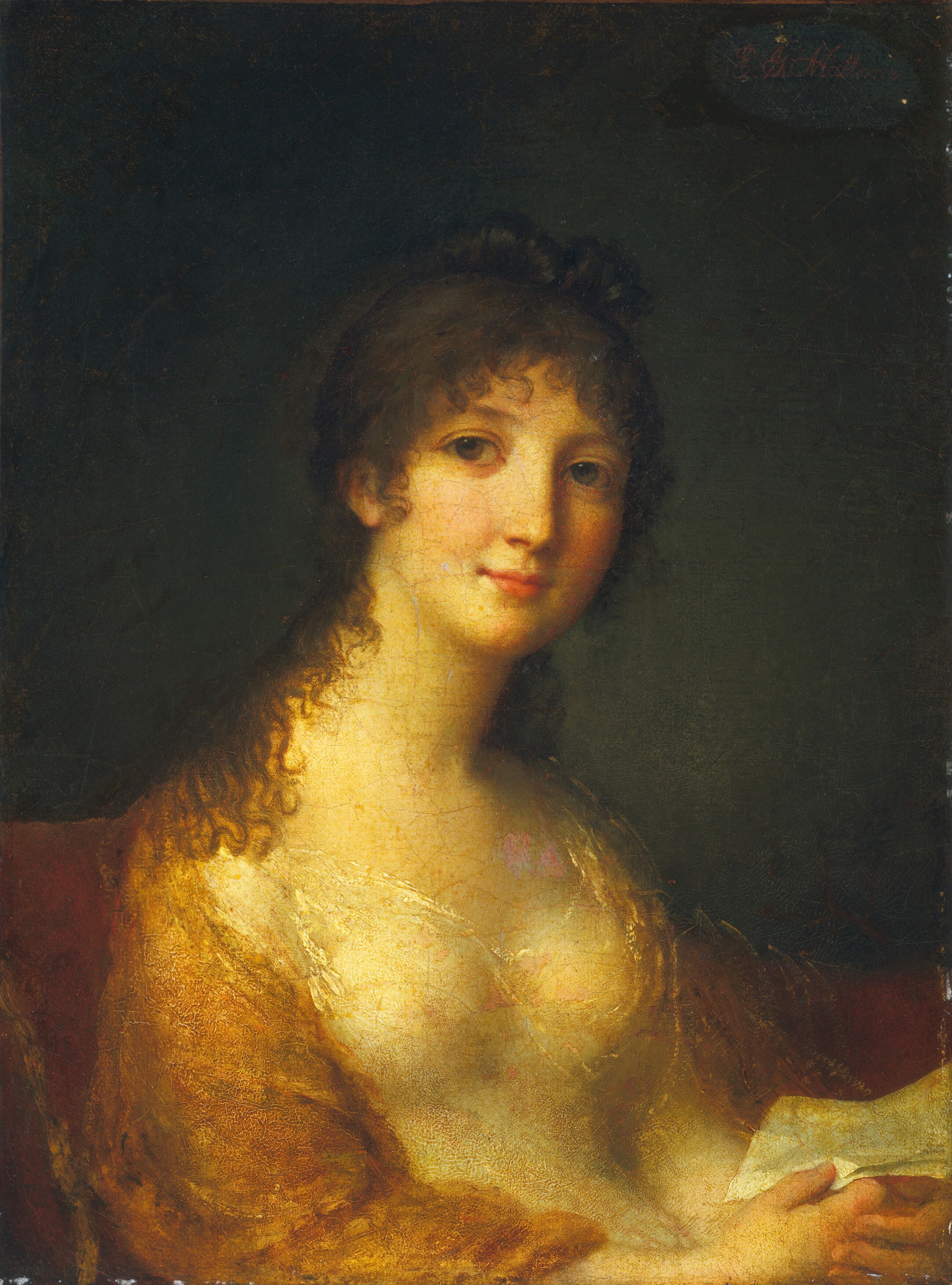
This serene "Portrait of a Lady," painted around 1810 by an anonymous 19th-century French artist, offers a glimpse into the elegance of its era. Housed at the Art Institute of Chicago, it depicts a woman of apparent social standing, dressed in a luxurious white lace dress and a golden shawl. Her calm expression and direct gaze invite contemplation.
While her attire speaks volumes about her wealth and the societal conventions of the time, a subtle detail in the painting often goes unnoticed. Look closely at the upper right corner, where the artist's faint signature is tucked away, a quiet testament to the creator behind this captivating work.
Such portraits were commonly commissioned to document and elevate social status, reflecting the period's emphasis on personal representation. The artist used oil on canvas, employing glazing techniques to achieve the refined surface and tranquil mood.
This hidden signature reminds us of the individual behind the brush, even when their name is largely lost to history. What other hidden details do you think might exist in portraits like this?
Details

Transcript
She seems to gaze at us from another time. This portrait was painted around 1810. Her dress and shawl show her wealth. But look closely in the upper right corner. The artist's faint signature is barely visible here.