Portrait of a man, perhaps Rembrandt's father, Harmen Gerritsz van Rijn by http://www.wikidata.org/.well-known/genid/967c2cd213cd311b600a04bd3e51f133
This striking "Portrait of a man, perhaps Rembrandt's father" (c. 1630) at the Mauritshuis has long been attributed to the Dutch master Rembrandt. However, modern art historical analysis has raised questions about its true authorship.
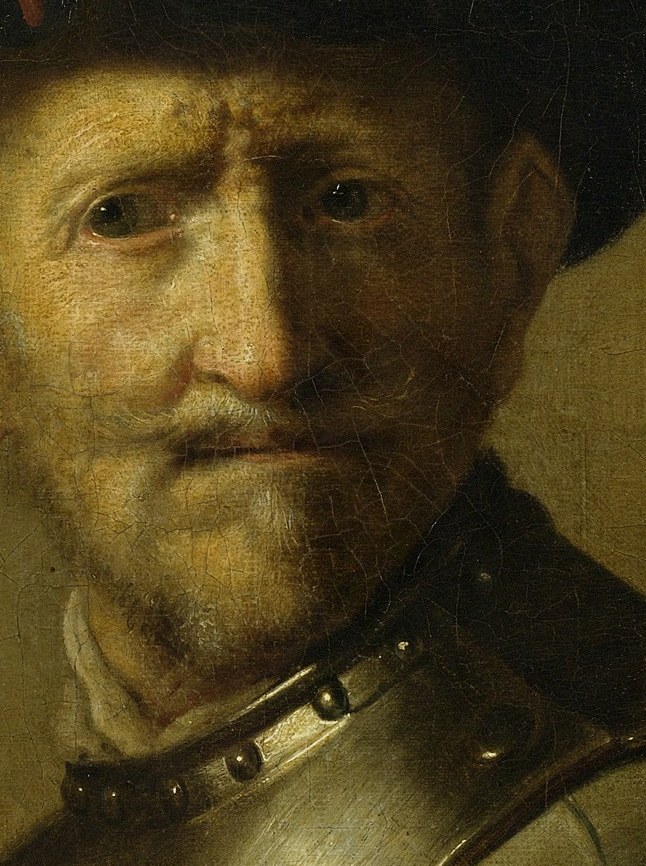
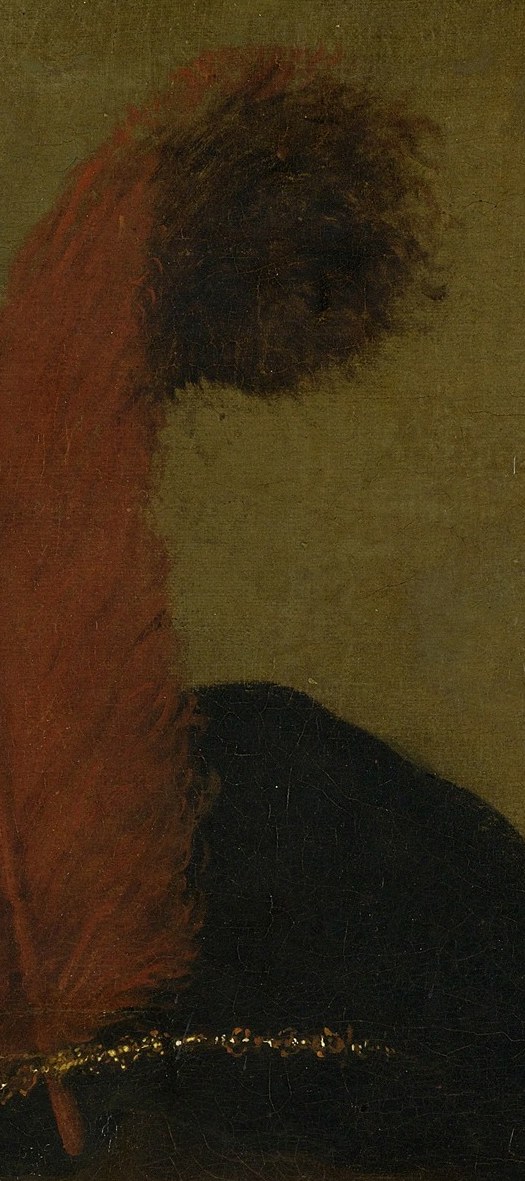
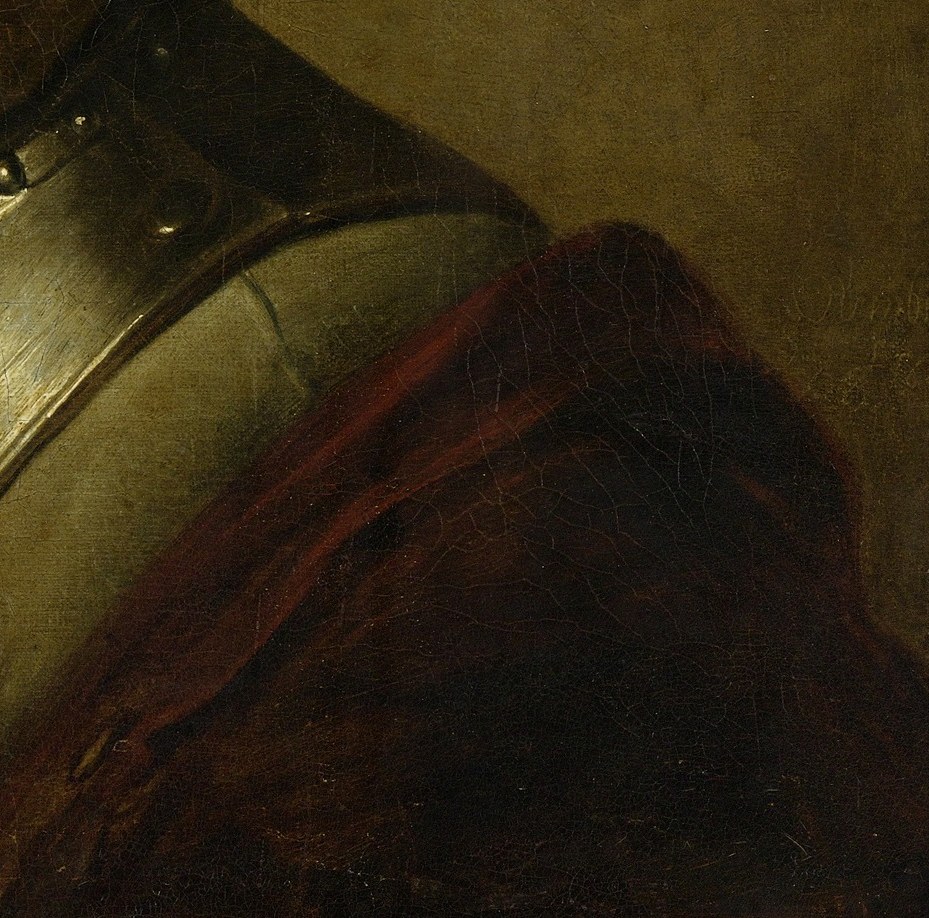
Notice the dramatic chiaroscuro and the vivid red feather, elements typical of Rembrandt's era. Yet, close examination of the brushwork, particularly on the face and the rendering of light and shadow, suggests a hand less refined than Rembrandt's own during this period. The painting's execution is undeniably skillful, especially in the reflective breastplate, but it doesn't quite match the master's unique touch.
This re-evaluation highlights the complexities of attribution in art history, especially with prolific artists like Rembrandt who had many students working in his style. It's a testament to the influence he wielded that a work of this caliber could emerge from his workshop.
Whether by Rembrandt or a talented contemporary, the painting remains a powerful work.
Details
Transcript
This portrait of a man was once considered a Rembrandt. But art historians now question if he actually painted it. Look at the bold, almost rough brushstrokes on his face. They are looser than Rembrandt's usual style from this period. The way light catches his reflective breastplate is expertly done. Yet, the deep, dark shadows lack Rembrandt's characteristic warmth. It might be by a gifted student, imitating the master's style.