The Agony in the Garden by Raphael
Raphael's "The Agony in the Garden," painted in 1504, captures a profound moment of spiritual anguish and human frailty. This early work by the Renaissance master, now at The Metropolitan Museum of Art, depicts Christ praying in Gethsemane just before his crucifixion.
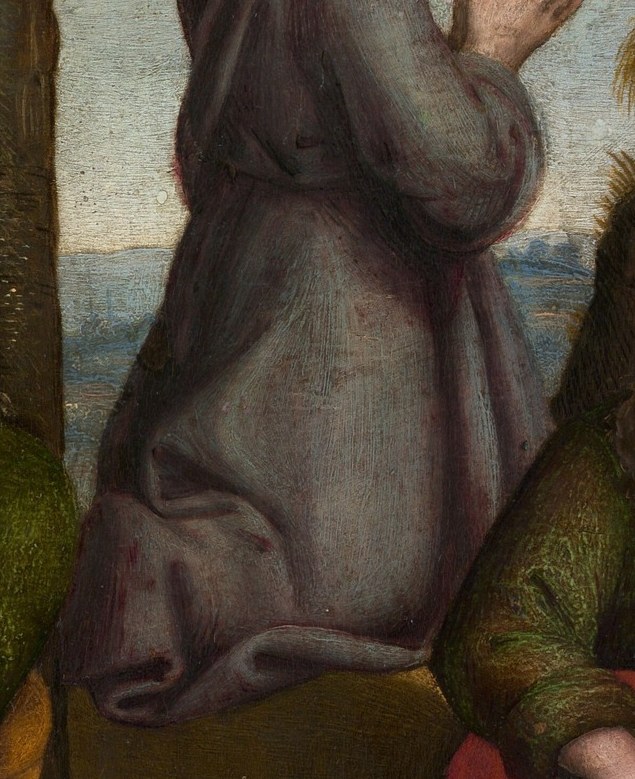
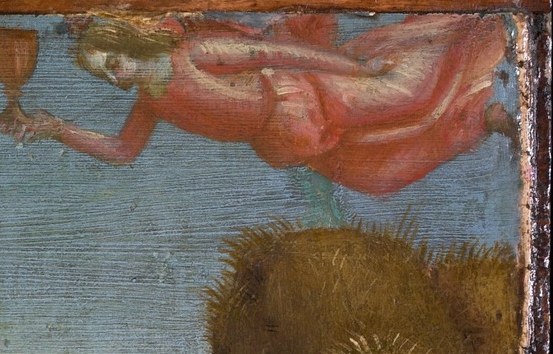
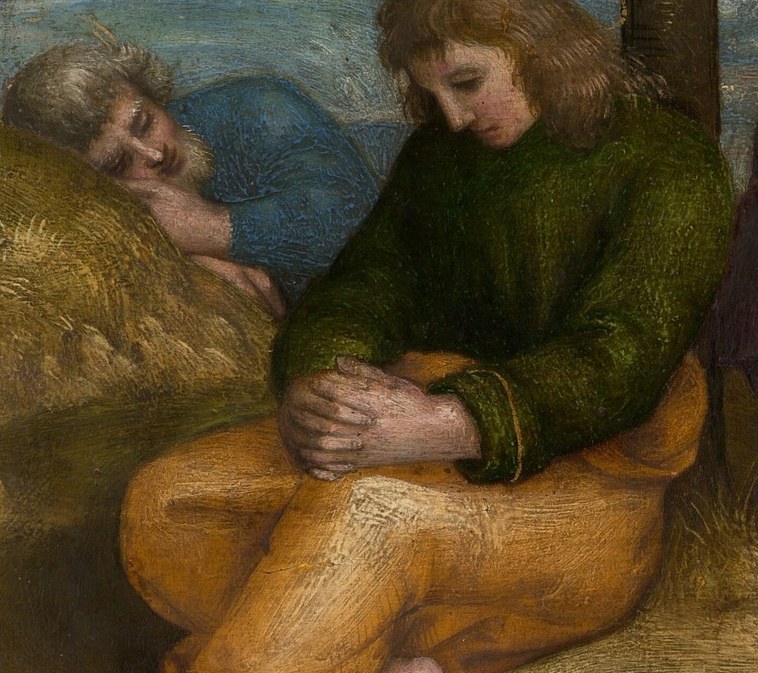
Look closely at Christ's upturned face, accepting his fate, while an angel presents the chalice of his suffering. In stark contrast, his disciples, meant to keep watch, are shown deeply asleep, their human weakness a poignant counterpoint to Christ's divine resolve.
Raphael was only 21 when he created this painting, showcasing his emerging talent for narrative and emotional depth. It's a testament to his early mastery of composition and expression, setting the stage for the monumental works he would later create in Rome.
What emotions does this scene evoke for you? It's a powerful reminder of a pivotal story.
Details
Transcript
In 1504, a young Raphael painted this intense moment. It's Christ in the Garden of Gethsemane, praying before his crucifixion. An angel offers a chalice, symbolizing his coming sacrifice. His disciples, meant to keep vigil, are fast asleep. Raphael, just 21, conveys this human weakness vividly. This early work hints at the master he would become.